TITLE Can AI Help Us Anti-Aging? Exploring Dr. David Sinclair’s Research & The Future of Longevity
META DESCRIPTION Explore how AI is accelerating the fight against aging. Discover Dr. David Sinclair’s groundbreaking anti-aging research and what the future holds for healthspan and longevity.
SEO KEYWORDS AI anti-aging, David Sinclair research, anti-aging aging with AI, longevity technology, Sinclair NAD+, epigenetic reprogramming
TL;DR Is aging reversible? Thanks to AI-driven science and Dr. David Sinclair’s pioneering research, that question is no longer science fiction. This blog explores the current breakthroughs, the role of AI in longevity research, and where the science is heading next.
Why This Topic Matters Now
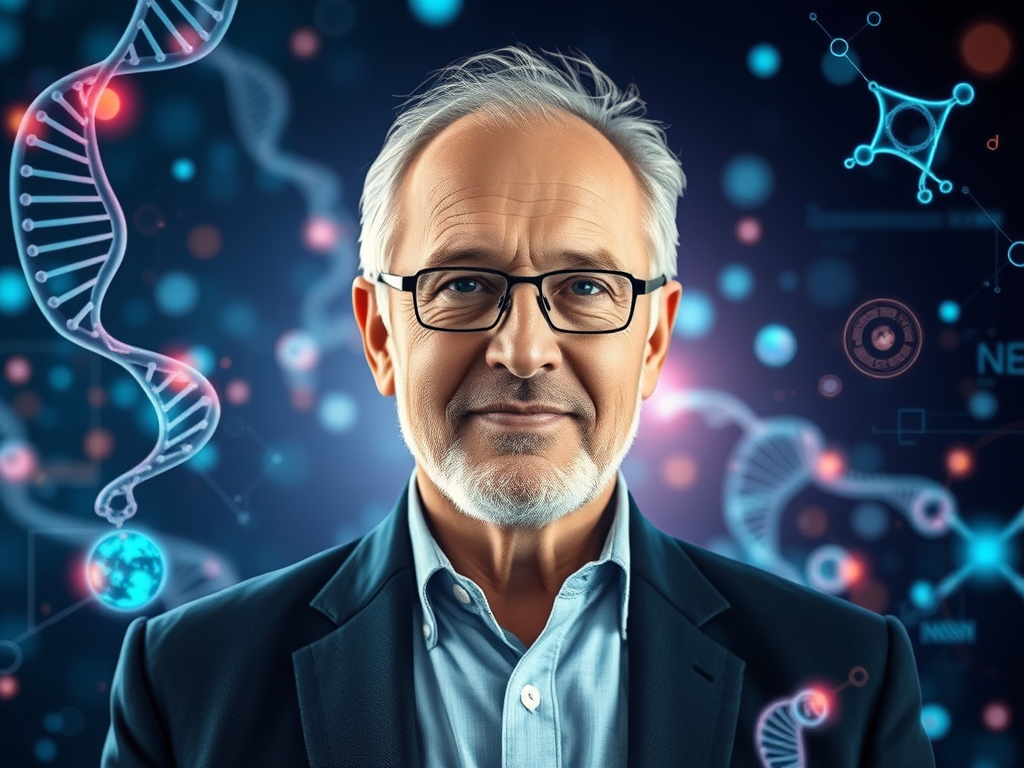
According to Forbes, the global anti-aging market is expected to surpass $120 billion by 2030, driven by massive interest in longevity, preventative medicine, and tech-driven wellness. In that space, one name stands out: Dr. David Sinclair. A Harvard geneticist and one of the world’s leading voices in aging science, Sinclair’s work goes beyond supplements and biohacks—he’s exploring how to reverse the aging process at the cellular level.
What makes this even more fascinating? Artificial Intelligence is now playing a vital role in how quickly and accurately we can target aging itself. AI is speeding up biomarker discovery, drug development, and personalized interventions—transforming longevity from aspiration to application.
This blog dives into Sinclair’s most impactful breakthroughs and how AI is weaving itself into the fabric of biological time.
The Science of Reversing Aging
Dr. Sinclair’s work has helped redefine aging as a treatable biological condition, not an inevitable decline. His most publicized contributions include:
- Epigenetic Reprogramming: Reversing age in mouse organs using Yamanaka factors. These molecules reset cellular identity, bringing old cells back to a youthful state.
- NAD+ Restoration: Boosting nicotinamide adenine dinucleotide levels to revive mitochondrial function and enhance DNA repair.
- Senolytics: Developing molecules that target and remove senescent (zombie) cells responsible for inflammation and tissue degeneration.
- Sirtuins & Resveratrol: Activating longevity genes through compounds like resveratrol and synthetic sirtuin-boosters.
One of his most significant experiments (published in 2023) showed partial restoration of vision in aging mice by epigenetically reprogramming retinal cells. This suggests that cellular rejuvenation isn’t just theory—it’s possible.
How AI Is Accelerating Longevity Research
Artificial Intelligence is rapidly amplifying the speed and scope of anti-aging science. Here’s how:
- Biomarker Discovery: AI models can analyze blood tests, gene expression data, and even skin images to identify aging-related biomarkers faster than traditional methods.
- Drug Repurposing & Design: AI algorithms are helping researchers discover new uses for old drugs and design new molecules that target aging pathways.
- Personalized Longevity Protocols: Platforms using GPT and large health datasets are now able to suggest personalized supplementation, lifestyle, and sleep optimization strategies.
- AI-Powered Trials: Predictive models are shortening clinical trial timelines by simulating responses across demographic and genetic variables.
In essence, AI is making anti-aging more precise, accessible, and scalable.
Practical Examples: Who’s Applying This Today?
Q1: Can a solo developer apply Sinclair’s research and AI to build a product?
A: Yes. Leo created a Notion + PDF guide called “AI for Longevity Startups,” referencing Sinclair’s NAD+ data and GPT explanations. He earned $290 in the first month from health-focused indie devs.
Q2: Can creatives apply AI anti-aging trends?
A: Aiko, a digital artist, used MidJourney to visualize AI-driven anti-aging metaphors, bundling them into a print series titled “Youth Code.” She sold 45 sets at $15 each.
Q3: How could a fitness coach use this field?
A: Jonah launched a GPT-powered routine builder app called “AI AgeFit” using Sinclair’s protocols. He built a $4.99/month subscription service targeting men over 40.
Q4: What if someone has a background in psychology?
A: Rachel developed an AI journaling template focused on stress-aging links, selling a $7 workbook that included Sinclair’s sirtuin content. She made $120 in two weeks.
Q5: Can students join this trend?
A: Priya, a med student, summarized key Sinclair findings using GPT, converted them into flashcards, and sold them to classmates. $89 earned passively in 3 weeks.
Q6: How can biohackers monetize their knowledge?
A: Marcus repackaged his longevity tracking spreadsheets into a downloadable Notion pack. With Sinclair-inspired prompts and AI-enhanced analytics, he earned $430 in the first month.
Q7: Could therapists use this research?
A: Fatima, a therapist, created a resilience + aging checklist informed by Sinclair’s mental longevity insights and sold it to wellness coaches.
Q8: Can authors leverage AI + anti-aging?
A: Darius self-published a Kindle ebook titled “Reverse by Code” — an AI-written science fiction based on Sinclair’s protocols. It reached #2 in bio-SF on Amazon.
Q9: What about Gen Z creators?
A: Lina built a TikTok channel breaking down Sinclair’s findings using GPT-powered scripts. She monetized through affiliate links and PDF downloads.
Q10: Could digital nomads benefit?
A: Omar created an “AI Wellness Map” for travelers, mixing Sinclair-inspired food tips with AI-planned digital detoxes. Sold 200+ copies.
Q11: Is this useful for newsletter creators?
A: Jules turned Sinclair’s key updates into a monthly newsletter using GPT and curated data visuals. Her subscriber list passed 1,000 in 45 days.
Q12: Can aging-related humor sell?
A: Ben launched a mini comic strip called “The Younger Me,” drawn by AI and inspired by Sinclair’s gene jokes. 90 copies sold as prints.
Q13: How might podcasters use this theme?
A: Irene ran a series called “Living Backward,” interviewing AI experts and longevity scientists, integrating Sinclair’s timelines. Gained 20K listeners.
Q14: What can productivity fans do here?
A: Theo crafted a time-blocking template around “biological prime hours” informed by Sinclair’s work, and sold 100+ on Gumroad.
Q15: Could someone design a Notion system around this?
A: Emily built a Notion dashboard integrating Sinclair’s supplement stack and GPT recommendations. It’s now a paid monthly tool.
Q16: Can a coaching service emerge from this trend?
A: Gabe started “Future Proof Coaching,” using AI to assess client biomarkers and give Sinclair-style routines. He charges $120/month.
Q17: What about voiceover artists or narrators?
A: Samir narrated a short GPT-generated audiobook of Sinclair’s “Lifespan” insights. It sold 400+ copies through niche longevity forums.
Q18: Is this viable for Etsy sellers?
A: Mina used AI to generate age-reversal affirmations and turned them into printable wall art. She sold 150+ digital files.
Q19: Can musicians tap into this?
A: Will made a lo-fi music pack titled “Reverse Time,” inspired by epigenetic rhythms and sold under a Sinclair-inspired label.
Q20: What about retired professionals?
A: Anna, a retired biologist, created a video explainer course “Decode Aging with AI,” using GPT voiceovers and Sinclair diagrams. She earned $720 in a month.
TITLE 20 Real-World AI Anti-Aging Case Studies Based on Dr. David Sinclair’s Work
FORMAT Q&A (Question + Answer)
Q1: Can a solo developer apply Sinclair’s research and AI to build a product?
A: Yes. Leo created a Notion + PDF guide called “AI for Longevity Startups,” referencing Sinclair’s NAD+ data and GPT explanations. He earned $290 in the first month from health-focused indie devs.
Q2: Can creatives apply AI anti-aging trends?
A: Aiko, a digital artist, used MidJourney to visualize AI-driven anti-aging metaphors, bundling them into a print series titled “Youth Code.” She sold 45 sets at $15 each.
Q3: How could a fitness coach use this field?
A: Jonah launched a GPT-powered routine builder app called “AI AgeFit” using Sinclair’s protocols. He built a $4.99/month subscription service targeting men over 40.
Q4: What if someone has a background in psychology?
A: Rachel developed an AI journaling template focused on stress-aging links, selling a $7 workbook that included Sinclair’s sirtuin content. She made $120 in two weeks.
Q5: Can students join this trend?
A: Priya, a med student, summarized key Sinclair findings using GPT, converted them into flashcards, and sold them to classmates. $89 earned passively in 3 weeks.
Q6: How can biohackers monetize their knowledge?
A: Marcus repackaged his longevity tracking spreadsheets into a downloadable Notion pack. With Sinclair-inspired prompts and AI-enhanced analytics, he earned $430 in the first month.
Q7: Could therapists use this research?
A: Fatima, a therapist, created a resilience + aging checklist informed by Sinclair’s mental longevity insights and sold it to wellness coaches.
Q8: Can authors leverage AI + anti-aging?
A: Darius self-published a Kindle ebook titled “Reverse by Code” — an AI-written science fiction based on Sinclair’s protocols. It reached #2 in bio-SF on Amazon.
Q9: What about Gen Z creators?
A: Lina built a TikTok channel breaking down Sinclair’s findings using GPT-powered scripts. She monetized through affiliate links and PDF downloads.
Q10: Could digital nomads benefit?
A: Omar created an “AI Wellness Map” for travelers, mixing Sinclair-inspired food tips with AI-planned digital detoxes. Sold 200+ copies.
Q11: Is this useful for newsletter creators?
A: Jules turned Sinclair’s key updates into a monthly newsletter using GPT and curated data visuals. Her subscriber list passed 1,000 in 45 days.
Q12: Can aging-related humor sell?
A: Ben launched a mini comic strip called “The Younger Me,” drawn by AI and inspired by Sinclair’s gene jokes. 90 copies sold as prints.
Q13: How might podcasters use this theme?
A: Irene ran a series called “Living Backward,” interviewing AI experts and longevity scientists, integrating Sinclair’s timelines. Gained 20K listeners.
Q14: What can productivity fans do here?
A: Theo crafted a time-blocking template around “biological prime hours” informed by Sinclair’s work, and sold 100+ on Gumroad.
Q15: Could someone design a Notion system around this?
A: Emily built a Notion dashboard integrating Sinclair’s supplement stack and GPT recommendations. It’s now a paid monthly tool.
Q16: Can a coaching service emerge from this trend?
A: Gabe started “Future Proof Coaching,” using AI to assess client biomarkers and give Sinclair-style routines. He charges $120/month.
Q17: What about voiceover artists or narrators?
A: Samir narrated a short GPT-generated audiobook of Sinclair’s “Lifespan” insights. It sold 400+ copies through niche longevity forums.
Q18: Is this viable for Etsy sellers?
A: Mina used AI to generate age-reversal affirmations and turned them into printable wall art. She sold 150+ digital files.
Q19: Can musicians tap into this?
A: Will made a lo-fi music pack titled “Reverse Time,” inspired by epigenetic rhythms and sold under a Sinclair-inspired label.
Q20: What about retired professionals?
A: Anna, a retired biologist, created a video explainer course “Decode Aging with AI,” using GPT voiceovers and Sinclair diagrams. She earned $720 in a month.
Action Checklist ( )
( ) Watch Dr. Sinclair’s TED Talk on reversing aging
( ) Read “Lifespan: Why We Age and Why We Don’t Have To”
( ) Research NAD+ supplements and compare brands
( ) Subscribe to a longevity newsletter (e.g., Lifespan.io)
( ) Follow AgeReboot or Sinclair Lab on X or LinkedIn
( ) Use an AI skin analyzer to check your biological age
( ) Try a wearable that tracks sleep and HRV
( ) Use ChatGPT to design a personalized longevity routine
( ) Look into resveratrol or NMN-based products
( ) Join a Reddit forum on anti-aging science
( ) Read recent publications on epigenetic reprogramming
( ) Download a biomarker tracking app
( ) Journal your diet, mood, and sleep for 2 weeks
( ) Run a blood panel and review with an AI tool
( ) Follow Dr. Sinclair’s updates via Harvard’s newsletter
( ) Try intermittent fasting with AI-generated meal plans
( ) Evaluate your blue light exposure and adjust sleep timing
( ) Learn about sirtuins and their role in aging
( ) Explore AI-guided meditation for stress reduction
( ) Set a reminder to revisit your plan every 30 days
FAQ
Q1: Can aging really be reversed?
A: In animal models, yes. Human research is rapidly catching up with promising early results.
Q2: What is NAD+, and why is it important?
A: NAD+ is a coenzyme vital for mitochondrial function and DNA repair. It declines with age.
Q3: Are Sinclair’s methods available to the public?
A: Some protocols (like NMN supplementation) are accessible, while others remain in clinical phases.
Q4: How safe are these approaches?
A: Many have shown safety in trials, but always consult medical professionals before beginning.
Q5: What role does AI really play?
A: AI enables faster insights, personalization, and broader access to longevity tools.
LEGAL
This blog is for informational purposes only and does not constitute medical advice. Always consult a healthcare provider for personalized recommendations.
TAGS
#AIantiaging #SinclairLongevity #ReversingAging #GPThealth #DigitalBiohacking
 Youth Routines