AI and the Future of Aging: Why Extreme Age Reversal = Anti-Aging + Rejuvenation
Meta Description
Discover how artificial intelligence is redefining human longevity. Learn how AI is transforming anti-aging and rejuvenation practices into achievable steps toward extreme age reversal.
SEO Keywords
AI and longevity, anti-aging technology, rejuvenation with AI, age reversal science, AI in healthcare, AI and biohacking, reverse aging future
Introduction
For centuries, humanity has sought the elusive fountain of youth. From ancient elixirs to modern skincare, anti-aging has been a driving cultural obsession. Yet now, for the first time in history, technology—especially artificial intelligence—is making age reversal more than just mythology.
Anti-aging, rejuvenation, and the radical idea of extreme age reversal are no longer confined to science fiction. These concepts are rapidly entering scientific journals, biotech startups, and even our daily routines—thanks in large part to AI.
This post explores how AI is revolutionizing the way we think about aging. We’ll break down each core concept—anti-aging, rejuvenation, and extreme age reversal—and examine how AI acts as the connective tissue uniting them. Then we’ll dive into use cases, expert insights, and real-world applications showing that aging might soon become a programmable process.
If you’re curious, skeptical, or just dreaming of more youthful energy—this post is for you.
A New Era in Longevity
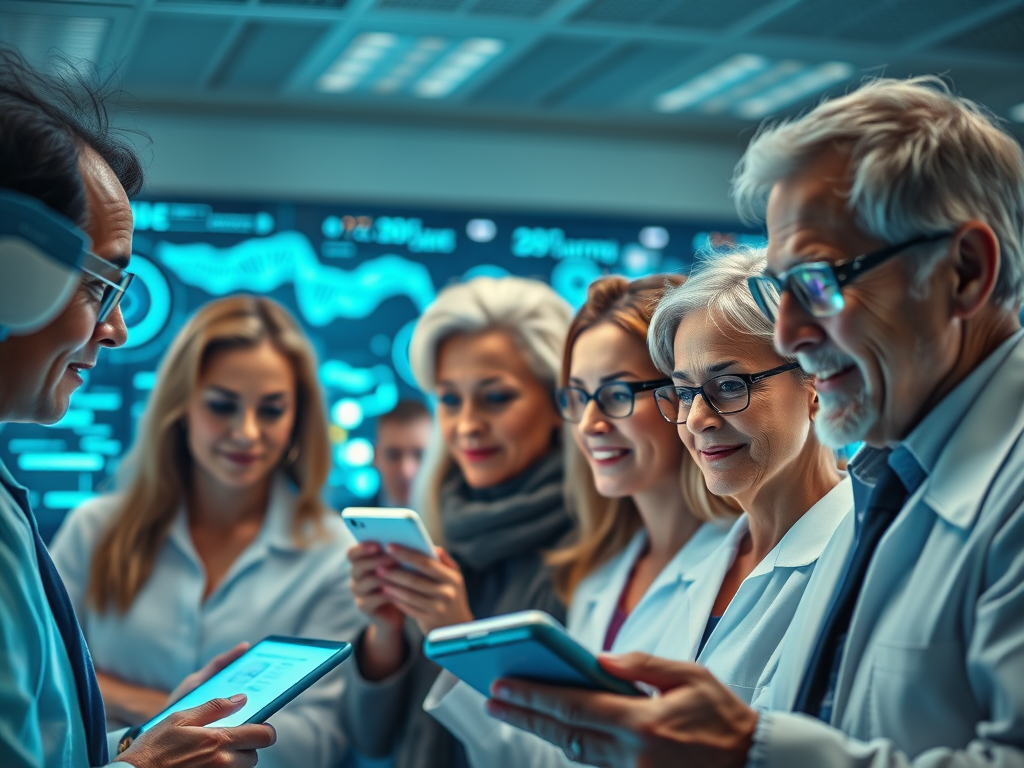
AI’s impact on health goes far beyond diagnostics and drug discovery. With advancements in genomics, personalized medicine, wearables, and machine learning algorithms, we are witnessing a convergence of data and biology that could soon make aging optional—or at least, negotiable.
In the next 10 years, we won’t just treat aging. We may reroute it.
H1: Defining the Equation — Anti-Aging + Rejuvenation = Extreme Age Reversal
What Is Anti-Aging?
Anti-aging traditionally refers to slowing down the biological aging process. It includes everything from skincare routines and supplements to medical interventions like hormone therapy and caloric restriction. The goal is to delay the onset of age-related decline. AI contributes by analyzing genetic predispositions, suggesting personalized routines, and tracking biomarker trends to optimize interventions.
What Is Rejuvenation?
Rejuvenation takes it a step further. Rather than just slowing aging, rejuvenation involves reversing biological markers of age. Think of it as taking worn-out cells or tissues and restoring them to a more youthful state—through stem cell therapy, senolytics, or epigenetic reprogramming. AI accelerates this by predicting successful therapies through simulation and large-scale data analysis.
What Is Extreme Age Reversal?
This is the boldest frontier: using advanced technologies to permanently reverse biological age and extend the human healthspan well beyond today’s norm. It combines elements of anti-aging and rejuvenation but adds predictive AI, gene editing, and nanomedicine to create an entirely new paradigm.
What Are the Media and Researchers Saying?
Scientific journals such as Nature Aging and platforms like Singularity Hub frequently spotlight how AI is enabling large-scale aging studies. The media often frames this as controversial yet transformative—pointing to figures like David Sinclair who argue that “aging is a disease we can treat.”
When Might This Become Reality?
Early versions of this future are already underway. AI-driven drug discovery for age-related diseases is happening now. Experts estimate that widespread consumer applications of extreme age reversal could emerge within 10–20 years.
H2: 20 Real-World Examples of AI-Driven Longevity
- A biotech startup using AI to discover age-slowing molecules from natural compounds.
- A health tracker app using machine learning to predict sleep quality and its impact on aging.
- A genomic platform personalizing supplement plans based on AI-interpreted DNA tests.
- A startup in Japan using AI to optimize circadian rhythm alignment.
- A clinic using ChatGPT to explain lab results and improve patient compliance.
- A fitness influencer using AI to auto-adjust their daily macros for longevity.
- An AI nutritionist helping seniors plan anti-inflammatory meals.
- An epigenetic testing firm using AI to interpret biological age.
- A sleep coaching app using AI to suggest micro-adjustments for better REM sleep.
- A hormone optimization service using AI to manage testosterone and estrogen cycles.
- An AI personal trainer adjusting exercises in real-time for aging joints.
- A mindfulness app using AI to detect stress patterns and prevent cellular damage.
- A workplace wellness program using AI to reduce aging-related burnout.
- AI-assisted dermatology detecting early signs of collagen breakdown.
- A voice assistant reminding users to hydrate and stretch for longevity.
- A pharmacy app using AI to catch supplement-drug interactions.
- Wearables predicting aging speed based on movement quality.
- AI-powered virtual therapists helping users lower chronic cortisol levels.
- A cancer screening platform using AI for ultra-early detection.
- AI-coaches guiding biohackers in safe experimental routines.
- A biotech firm in Sweden uses AI to identify mitochondrial rejuvenation patterns from global aging datasets.
- An AI-based diagnostic tool now detects early cartilage degeneration before physical symptoms appear.
- A mobile app in India uses regional dietary data to provide culturally relevant anti-aging meal plans.
- AI-assisted virtual yoga instructors tailor routines based on flexibility, age, and posture history.
- A neurofeedback headset trains focus and reduces cognitive aging using adaptive machine learning.
- A chatbot therapist tracks emotional tone in journaling to reduce aging linked to chronic stress.
- Smart clothing integrated with AI sensors helps prevent joint injuries by analyzing gait in real time.
- A social platform matches aging adults with AI companions for daily mood and engagement support.
- Predictive AI models now suggest recovery windows between workouts to prevent overtraining in older users.
- AI-curated playlists use biofeedback to generate music that enhances relaxation and cellular recovery.
FAQ (1–20)
- Can AI really reverse aging?
AI can’t directly reverse aging, but it helps identify interventions that do—like sleep, nutrition, and gene editing. - How do I measure my biological age?
Through epigenetic testing, many startups now offer DNA methylation-based age analysis, often interpreted via AI. - Is this science fiction?
Ten years ago, maybe. But now, AI-backed age reversal trials are actively happening. - What’s the difference between healthspan and lifespan?
Healthspan is how long you stay healthy, not just alive. AI can help extend both. - Can I try this without expensive equipment?
Yes. Many free apps now use AI to guide sleep, breathwork, and stress reduction. - Is this safe?
It depends. Always consult professionals before following any radical protocols. - What are some easy first steps?
Use wearables to track sleep, try a meditation AI app, or explore AI meal planning. - Can AI help slow cognitive decline?
Absolutely. AI-based brain games and routine tracking can support neuroplasticity. - What if I’m not tech-savvy?
Many of these tools are designed to be plug-and-play—just download and follow voice prompts. - Does this work for everyone?
Results vary. Genetics, lifestyle, and mindset still matter. - How much does this cost?
Some apps are free. Others, like custom AI health coaching, can be premium. - Can AI detect age-related disease early?
Yes. Machine learning is now outperforming radiologists in early detection tasks. - What about emotional aging?
AI journaling tools and virtual coaching can help address emotional patterns tied to aging. - What are senolytics?
They’re drugs or supplements that clear damaged cells. AI helps discover new ones. - Is fasting part of this?
Often. AI apps like Zero help guide intermittent fasting based on your data. - Can AI tell me which supplements to take?
With enough input, yes. Personalized supplement companies now use AI for recommendations. - How accurate is biological age prediction?
It’s improving rapidly as datasets grow. - Will insurance ever cover this?
Maybe not yet, but pilot programs in longevity care are emerging. - Are there risks to relying too much on AI?
Yes. Use AI as a guide, not gospel. Human doctors still matter. - Where do I start?
Pick one metric—like sleep or hydration—and start tracking with AI help. - How does AI help with emotional aging? Emotional well-being affects physical aging. AI journaling tools analyze tone, detect stress, and prompt healthy reflections.
- Can I use AI to predict early signs of aging? Yes. Machine learning models trained on large health datasets can flag early warning signs, like sleep quality decline or skin texture changes.
- Is AI used in traditional medicine too? Some Eastern medicine platforms integrate AI to personalize herbs and energy balancing based on diagnostics.
- How is AI used in hormonal balance? AI tracks fluctuations in hormone levels and suggests diet or supplements to maintain optimal balance.
- Can AI adapt to different cultures or lifestyles? Absolutely. AI tools are increasingly localized to reflect regional health needs and norms.
- Are AI wearables safe for elderly users? Yes, many are designed for simplicity and include fall detection, heart rate monitoring, and emergency calls.
- How do I avoid misinformation from AI? Use tools backed by clinical research or connect AI outputs with licensed healthcare providers.
- Can AI assist caregivers? AI can monitor vitals, alert caregivers in emergencies, and even handle scheduling medications.
- Does AI promote overdependence? Not if balanced. The goal is augmentation, not replacement, of human judgment.
- How do I begin integrating AI for aging in my daily routine? Start with one domain—like sleep or hydration—and use an AI-supported app to build consistent, gentle changes.
Action Checklist (1–20)
( ) Download an AI-based sleep tracker and monitor quality nightly.
( ) Take a biological age test via an epigenetic company.
( ) Try an AI app that suggests daily micronutrient needs.
( ) Use ChatGPT to create a personalized wellness routine.
( ) Track your hydration levels with a smart water bottle.
( ) Use an AI food logging app to cut sugar intake.
( ) Set up AI reminders for posture correction.
( ) Try guided AI meditation for 5 minutes daily.
( ) Use an AI journal to reflect on emotional triggers.
( ) Monitor your HRV (Heart Rate Variability) with a wearable.
( ) Try intermittent fasting with AI scheduling.
( ) Check supplement interactions using AI tools.
( ) Use AI to predict cycle syncing for energy levels.
( ) Track REM sleep trends over 30 days.
( ) Ask AI for new anti-inflammatory recipe ideas.
( ) Create a weekly workout plan with AI support.
( ) Review lab results with AI-assisted explanations.
( ) Use AI to build a bedtime wind-down playlist.
( ) Learn one new longevity concept per week with an AI tutor.
( ) Set a “no-stress hour” in your day guided by AI breathing cues.
Conclusion
AI is not here to give us immortality. But it may give us the next best thing: a longer, healthier, and more vibrant life.
Extreme age reversal sounds like science fiction—but each component already exists in part. AI connects those pieces and makes them usable to more people than ever before.
As we move into this new era, the value won’t lie solely in more years—but in what we do with them.
If AI can help us stay stronger, more energized, more emotionally balanced—and better connected to our own bodies—then it is not just a tool of productivity. It is a tool of dignity.
You may not be able to stop time. But with AI, you just might make peace with it—and even push back.
The fountain of youth was never a myth. It was just a model—waiting to be reverse-engineered.
Author’s Notes: Tips and Human Touchpoints
- “Track before you hack.” — Don’t just try every supplement. Use AI to analyze what your body actually needs.
- “Your sleep is your software update.” — Good sleep, AI-tracked, can be more powerful than any pill.
- “Consistency beats intensity.” — AI helps you automate micro habits that stick.
- “Longevity is not a sprint.” — Let AI pace your journey with daily routines.
- “Test, don’t guess.” — Use AI-driven diagnostics before changing health plans.
- “Think like an experimenter, not a patient.” — AI gives you real-time feedback loops.
- “The body remembers what the mind forgets.” — Use AI journaling to spot emotional stress before it ages you.
- “You don’t need to understand algorithms—you just need to use them wisely.”
- “Your healthspan is more than a metric. It’s your daily story—make AI your co-author.”
- “Data is power, but wisdom is in reflection. Let AI help you see the patterns, but you decide the path.”
LEGAL / TAGS
Legal Disclaimer: The content in this article is for educational purposes only and does not constitute medical advice. Always consult with a healthcare professional before adopting any longevity protocol.
Tags: AI and aging, age reversal, rejuvenation tools, anti-aging science, biotech innovation, longevity hacks
 Youth Routines