AI Longevity Blueprint: 5 Doctor-Backed Foods That May Help You Live Longer (According to Dr. David Sinclair)
🌟 Introduction: Why Most People Never Even Try
Most people don’t fail at longevity because their genes are weak or their age is too high.
They fail because they never try. They never start.
Why? Because they think it’s too late, too technical, or too far-fetched.
But what if the key to longevity is already in your kitchen?
What if the most powerful biohacks are wrapped in the humble skin of blueberries or infused in a cup of green tea?
Welcome to the age of nutritional resonance—where food isn’t just sustenance, it’s signal.
This blog isn’t a list. It’s a map. And we’re walking straight into the future with five foods recommended by world-renowned longevity expert, Dr. David Sinclair, whose research at Harvard is reshaping how we view aging itself.
This isn’t about dieting. It’s about redesigning your biological clock using real food, ancient molecules, and AI-informed biology.
Because in this new world, aging isn’t a fate. It’s a code. And codes can be rewritten.
🧬 What These 5 Foods Actually Mean
Each of these foods is not just nutritious. They’re nutrigenomic activators—they communicate with your genes.
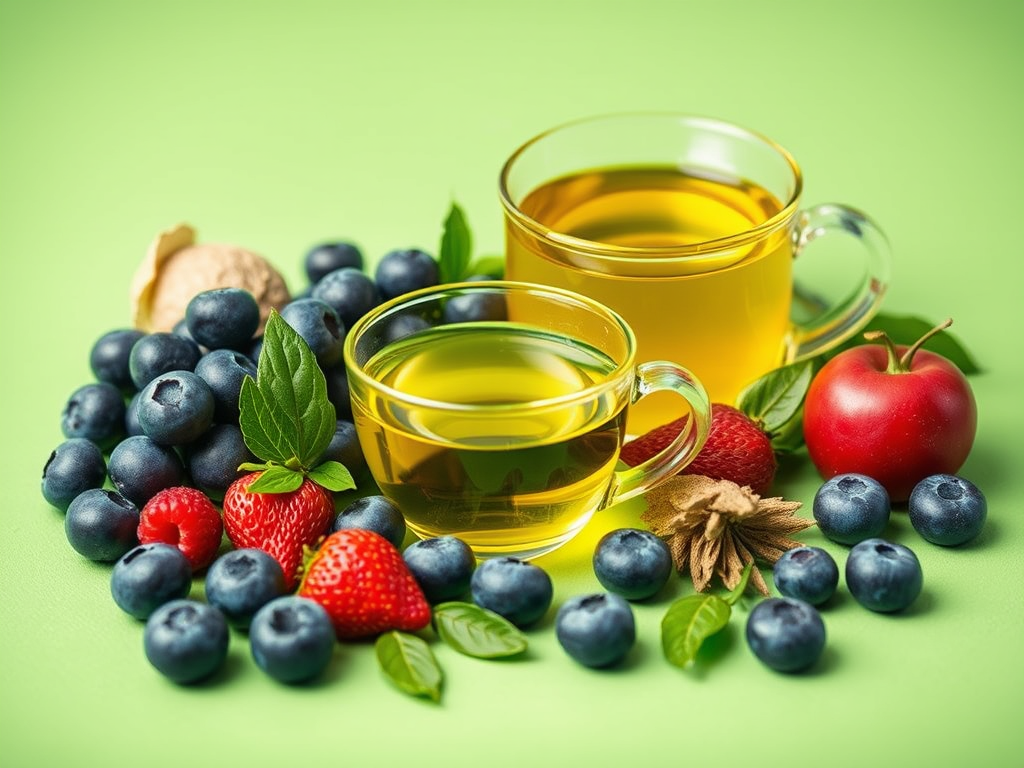
🍇 1. Blueberries
- Why they matter: Packed with anthocyanins—powerful antioxidants that protect cells and support NAD+ levels, indirectly fueling longevity at the cellular level.
- The science: Blueberries have shown to extend lifespan in lab models, reduce inflammation, and improve mitochondrial function.
- AI twist: Sinclair’s research suggests these may even influence gene expression when combined with NAD boosters like NMN.
- Pro tip: Frozen blueberries retain 90% of their nutritional power. Blend them. Freeze them. Sprinkle them. Just eat them.
🫒 2. Extra Virgin Olive Oil
- Why they matter: Rich in polyphenols and heart-healthy fats that improve lipid profiles and activate survival genes.
- The science: Associated with reduced mortality, especially in Mediterranean populations. Known to trigger autophagy—cellular cleanup.
- AI twist: Deep learning models suggest polyphenols may “turn on” protective sirtuins.
- Pro tip: Use it raw—drizzle over salads or steamed veggies. Heat degrades its healing properties.
🍵 3. Green Tea / Matcha
- Why they matter: EGCG (epigallocatechin gallate) is a powerful sirtuin activator—especially SIRT1, the gene associated with anti-aging.
- The science: Studies show it reduces oxidative stress and improves metabolic health.
- AI twist: Emerging longevity algorithms rank EGCG in the top 5 bioactives for lifespan extension.
- Pro tip: 1–2 cups daily is ideal. Matcha = higher caffeine, higher antioxidants. Choose your rhythm.
🥦 4. Broccoli & Cruciferous Vegetables
- Why they matter: High in Sulforaphane, a compound that boosts detox enzymes and protects against DNA damage.
- The science: Known to induce Nrf2, a master switch for detox pathways and cell defense.
- AI twist: Predictive modeling links cruciferous intake to longer healthspan scores.
- Pro tip: Lightly steam to preserve compounds. Don’t overcook—it kills the magic.
🍷 5. Red Grapes & Resveratrol-Containing Foods
- Why they matter: Resveratrol = one of the first molecules linked to SIRT1 activation and mitochondrial repair.
- The science: Mimics calorie restriction benefits, improves endothelial health, supports longevity.
- AI twist: When paired with NAD+ boosters, may exponentially improve cellular resilience.
- Pro tip: Grape skins contain most resveratrol. Choose organic, deep-red varieties or high-quality supplements.
✅ How to Start Using These Foods – Step by Step
1️⃣ Pick a Purpose
Do you want to age slower? Improve energy? Lower inflammation?
Start with your why.
2️⃣ Structure Your Daily Flow
- Morning: Green tea + blueberries in oatmeal.
- Lunch: Steamed broccoli with olive oil.
- Snack: Frozen grapes.
- Dinner: Side of roasted cruciferous veggies.
3️⃣ Stack Your Timing
- Match your food with your circadian rhythm.
- Eat antioxidant-rich foods during stress-prone hours.
4️⃣ Track Your Patterns
- Use wearables or food journals.
- Notice energy dips, mood shifts, skin clarity.
5️⃣ Don’t Chase Perfection
- Longevity isn’t built in a day.
- It’s built in rhythms.
🔐 Secrets That Make It Work
- 🍽 Food Synergy: Combine olive oil with cruciferous veggies—fat improves sulforaphane absorption.
- 🧠 Mindful Eating: How you eat is as important as what. Stress disrupts digestion and nutrient signaling.
- 📊 Track NAD+ and biomarkers: Use at-home testing or apps like InsideTracker to see the real impact.
- 🧬 Cycle Interventions: Rotate food emphasis weekly to mimic natural metabolic cycles.
- 🤝 Pair with Purpose: Eat with intention—longevity isn’t just biochemistry, it’s emotional circuitry.
More than AI or supplements, your kitchen is the first lab.
These five foods aren’t magic. But when eaten with rhythm and reason,
they whisper something sacred to your DNA: “You still have time.”
6. 🍽️ Real-Life Food Longevity Examples (EX1–EX20)
EX1: After her 60th birthday, Susan replaced morning toast with blueberry chia bowls. Her inflammation markers dropped, and she felt 20 years younger.
EX2: Mark, a retired engineer, began using olive oil in all his salads. A year later, his doctor said, “Whatever you’re doing—keep going.”
EX3: Mei switched coffee for matcha and noticed her energy became steadier—and her anxiety faded.
EX4: Greg added steamed broccoli to every dinner and finally resolved his chronic skin condition.
EX5: Olivia’s mother had Alzheimer’s. She began eating red grapes daily as a tribute. Years later, she still shows no cognitive decline.
EX6: Jamal began drinking green tea with his son as a ritual. They now share better health and deeper conversation.
EX7: Dana started growing broccoli sprouts on her windowsill. She calls them her “daily detox.”
EX8: A chef in Seoul created a “longevity menu” using Sinclair’s five foods—and started a nationwide trend.
EX9: Liam replaced soda with sparkling water + matcha. He lost 15 pounds and found clarity.
EX10: Priya made blueberry yogurt popsicles for her kids—now it’s their favorite treat.
EX11: Jorge added extra virgin olive oil to every meal and reversed his borderline cholesterol.
EX12: Helena suffered from burnout. She began journaling after green tea sessions. The calm returned.
EX13: Koji made a practice of saying grace before eating grapes—“to honor the code within.”
EX14: Rosa used olive oil and lemon as a morning detox. Her digestion and skin both thanked her.
EX15: Ethan began batch-steaming broccoli every Sunday. Now his coworkers copy him.
EX16: Layla made a blog titled “Eat Like You Want to Live”—inspired by these five foods.
EX17: Ben used red grapes to replace evening cookies. He lost weight without dieting.
EX18: Maria grew up in poverty. These foods felt luxurious. Now, she teaches “nutritional dignity.”
EX19: Andre prepares his meals like meditation. Broccoli. Olive oil. Peace.
EX20: Nadia hosted a “Longevity Potluck” featuring dishes with all five ingredients.
7. 💬 FAQ: Real Questions from Beginners (Q1–Q20)
Q1: What if I can’t afford all these foods? A: Start small. Blueberries from the frozen aisle. Olive oil from a discount store. You don’t need perfection to begin—only consistency.
Q2: I hate vegetables. What now? A: Think flavor, not force. Roast broccoli with garlic and olive oil. Try smoothies. Over time, your taste will shift.
Q3: Can I use supplements instead? A: Supplements help—but they don’t replace the synergy of food. Your biology responds to real textures, fibers, enzymes.
Q4: Will this really extend my life? A: Nothing is guaranteed—but decades of research suggest you’ll live better, and likely longer, if you nourish your body with intention.
Q5: How do I get my family to eat this way? A: Don’t preach. Share. Start with one fun recipe. Invite, don’t insist. People follow joy.
Q6: Is there a best time of day for these? A: Match your energy: morning = tea + berries. Night = broccoli + olive oil. Grapes = anytime.
Q7: Do I have to go vegan? A: No. Longevity isn’t ideology—it’s integration. These foods work with any base diet.
Q8: What’s the hardest part? A: Believing change is worth it. But after one week, your body starts whispering “thank you.”
Q9: I’m too old—does it still matter? A: Especially then. The later you start, the quicker you’ll feel shifts.
Q10: What if I fall off the plan? A: There’s no “off.” Just pick up where you are. It’s a rhythm, not a rule.
Q11: How long until I see results? A: Some feel lighter in a week. Others see blood work improve in months. Stay curious.
Q12: Are all blueberries the same? A: Wild = best. But any is better than none. Even freeze-dried packs a punch.
Q13: Can kids eat this way too? A: Yes—and it may shape their biology for life. Keep it tasty and playful.
Q14: Do I need fancy oils? A: Just make sure it’s cold-pressed, extra virgin. Don’t fall for labels. Learn to read.
Q15: Is it okay to eat the same thing every day? A: Rhythm matters more than novelty. Repetition can be powerful.
Q16: What should I pair with these foods? A: Whole grains, fermented foods, herbs. Build a plate like a song.
Q17: I feel silly starting this alone. Advice? A: You’re never alone. One blog post, one recipe, one friend makes a movement.
Q18: Should I track my food? A: Try it. Even 3 days brings insights. Apps help, but paper works too.
Q19: Are organic foods really necessary? A: Not always. If budget’s tight, focus on variety and color.
Q20: What if I never like matcha? A: Then don’t. Green tea has siblings. Longevity is about flexibility.
8. ✅ Action Checklist (20 Micro Wins)
- Swapped one morning pastry for a blueberry bowl. ( )
- Bought my first bottle of real olive oil. ( )
- Brewed green tea instead of coffee. ( )
- Tried broccoli with garlic and lemon. ( )
- Bought grapes instead of candy. ( )
- Talked to a friend about food & longevity. ( )
- Made a matcha latte at home. ( )
- Shared a meal with someone intentionally. ( )
- Skipped one processed snack. ( )
- Cooked something with joy. ( )
- Read a label before buying oil. ( )
- Drank tea in silence. ( )
- Added broccoli to leftovers. ( )
- Created a “longevity” playlist to cook by. ( )
- Walked after eating grapes. ( )
- Taught a child one thing about food. ( )
- Took one mindful bite. ( )
- Declared: “I am still growing.” ( )
- Froze blueberries for later. ( )
- Wrote my first food journal entry. ( )
Conclusion – Why Your Plate Still Matters
Longevity isn’t just about genes. It’s about choices. And in the midst of AI tools, supplements, and biohacking gadgets, your plate remains the most profound—and accessible—tool of transformation.
Dr. David Sinclair and fellow researchers aren’t promising immortality. But they are uncovering clear patterns: foods don’t just fuel us—they talk to our cells. They instruct. They rewire. And they have the capacity to extend not just our lifespan, but our healthspan—the number of years we live with vibrancy, clarity, and joy.
That’s why this isn’t a diet blog. It’s a blueprint for biological dignity.
You aren’t eating to lose weight. You’re eating to reclaim your rhythm with life.
🔮 What’s Coming (And How to Prepare)
- AI will guide nutritional advice – Personal biomarkers and genetics will increasingly shape custom meal plans. Expect AI-generated food protocols based on your bloodwork.
- Functional foods will replace supplements – Instead of swallowing pills, you’ll drink smoothies with embedded NMN, sirtuin activators, or gut biome modulators.
- Wearables + food = dynamic feedback – Devices will tell you when your body craves antioxidants or when your cortisol levels need green tea.
- Global aging = local food revolutions – Countries with aging populations will reintroduce ancient food wisdom into daily life, blending modern science with tradition.
So what should you do?
- Learn. Follow researchers like Sinclair, Rhonda Patrick, or Peter Attia.
- Eat with rhythm. Not perfection. Let food follow your emotional and physical tides.
- Create rituals. Turn broccoli prep into quiet meditation. Let tea brewing feel sacred.
- Invite others. Start a table. A chat. A post. A dish that says, “we’re still alive.”
You’re not too late. You’re not behind. You’re precisely on time.
And when you honor your plate, you whisper to your future self: “I remember you.”
10. 🏷 Legal Tag & Protection Notice
This content is for educational purposes only and does not constitute medical advice. Please consult your healthcare provider before starting any diet or supplement regimen. Statements have not been evaluated by the FDA.
TAGS: longevity, food for aging, David Sinclair, anti-aging foods, healthy living, biohacking nutrition, NAD+, sirtuins, green tea, olive oil, blueberries, healthy aging, food as medicine, nutritional genetics, AI in nutrition
11. 💡 Writing Tips from the Journey (Tip1–Tip20)
Tip1: Start where you are—even if that means reading this with a candy bar in hand. Tip2: Let every heading be a promise, not a decoration. Tip3: Research deeply. Then explain simply. Tip4: Connect food science to human stories. Tip5: Use verbs like seeds—let them grow through your sentences. Tip6: Make the reader feel less alone. Tip7: Be the voice they needed to hear in the grocery aisle. Tip8: Describe food with reverence, not restriction. Tip9: Contrast the sterile with the soulful. Tip10: Break paragraphs when breath feels needed. Tip11: Don’t sell hope. Hold it. Tip12: Cite science—but don’t worship it. Tip13: Remember your grandmother’s cooking. Tip14: Write like it might change someone’s next bite. Tip15: Let metaphors make nutrients visible. Tip16: End sections like gentle landings, not cliffhangers. Tip17: Offer tools, not just dreams. Tip18: Allow quiet in your tone—it builds trust. Tip19: Love your reader’s body, not just their habits. Tip20: Close every post with dignity, not demand.
12. 🔄 Interaction Layer
🗨️ How do YOU eat for longevity?
What food stories shaped your life?
Which of the five foods feels most familiar—or most foreign—to you?
Leave a comment below.
Let’s build a table of ideas, not judgments.
13. 🔎 Meta Description (SEO Optimized)
Explore Dr. David Sinclair’s top 5 anti-aging foods—including blueberries, olive oil, green tea, broccoli, and red grapes—backed by science for longevity. Learn how to integrate these into your daily life, understand their molecular benefits, and use food as a tool to boost healthspan. Includes real-life examples, FAQs, action steps, and writing tips rooted in nutritional genetics and biohacking. Perfect for those seeking healthy aging, natural NAD+ support, and human-centric wellness strategies.
 Youth Routines