

Why Probiotics Fail Without Prebiotics: AI-Enhanced Gut Truths You Need to Know
2. Introduction
Let’s face it. Most people pop a probiotic pill and move on.
They don’t ask what strain it was.
They don’t feed it.
They don’t track its impact.
Why? Because gut health still feels like a black box — too technical, too messy, too silent.
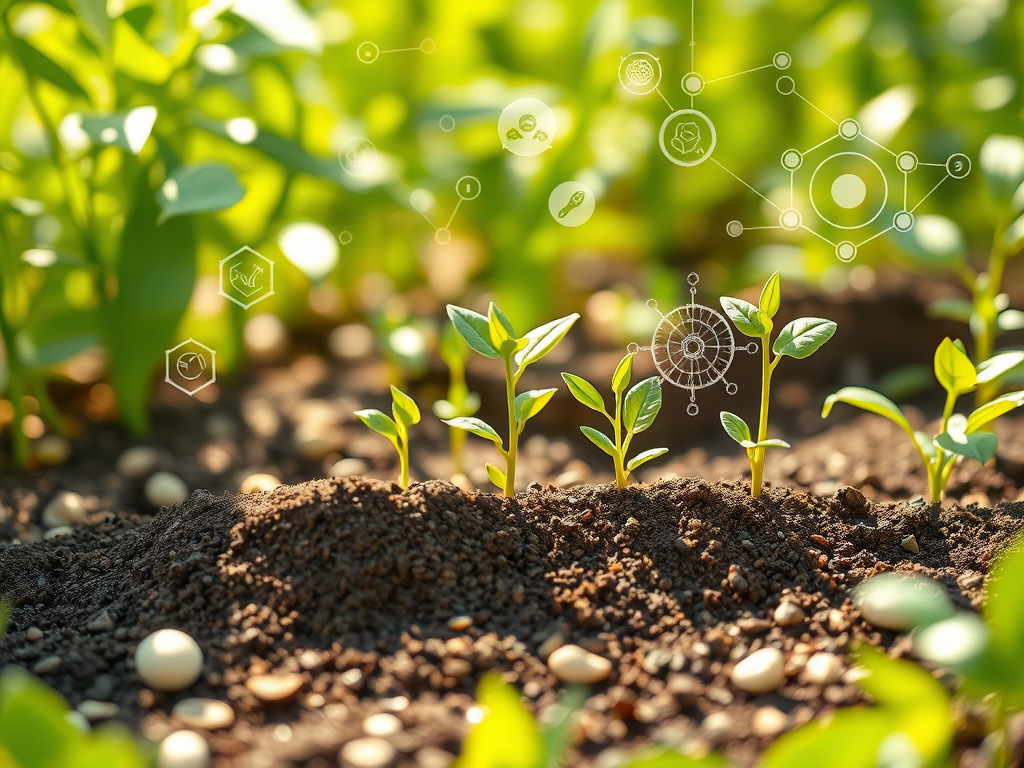
But here’s the truth: Probiotics without prebiotics are like planting seeds in a desert. No food. No water. No growth.
We’re told: “Take probiotics, it’s good for you.” But without prebiotics? Those live bacteria just pass through.
No colony. No influence. No healing.
And most content creators won’t tell you this. Because it’s not sexy. It’s not viral.
But it’s real.
And with AI, you can track, personalize, and finally understand what your gut truly needs.
If you’re tired of:
- Taking pills without results
- Feeling bloated despite “doing everything right”
- Buying expensive supplements that vanish in the flush
Then this guide is your rhythm. This is where we change the script. Not with hype. But with a partnership — between your gut, your food, and smart feedback.
Because when you combine prebiotics + probiotics + AI?
You don’t just survive. You thrive.
Let’s decode what most people miss. And let’s make your gut finally feel seen.
3. What This Actually Means
Let’s break it down:
🧫 Probiotics = Live beneficial bacteria (like Lactobacillus, Bifidobacterium) that support digestion, immunity, and microbial balance.
🌱 Prebiotics = Non-digestible fibers (like inulin, FOS, GOS) that feed those beneficial bacteria.
Think of probiotics as the seeds, and prebiotics as the soil and water.
If you only take probiotics without prebiotics:
- They may not survive the journey past stomach acid.
- Even if they arrive, they may die off without food.
- No stable ecosystem forms. Just fleeting bacteria.
🧠 Add AI to the mix: Now you’re not guessing.
You’re testing.
You’re correlating.
- Which fiber sources boost your own flora?
- Which probiotic strains help your mood, not just your gut?
- What time of day works best for intake?
With AI, you personalize what others generalize.
4. ✅ Step-by-Step: Prebiotic + Probiotic + AI Routine
- Pick Your Purpose
Gut calm? Immunity? Mood balance? Define it. - Track Your Baseline
Use a simple app, Notion, or even paper. Log your digestion, mood, sleep, bloating. - Choose One Prebiotic Food
Like: green banana, chicory root, garlic, oats. - Pair with a Matching Probiotic
Example: If using inulin (prebiotic), match with Bifidobacterium strain. - Use AI (like ChatGPT or Notion AI) to:
- Analyze symptoms
- Suggest combinations
- Track results over weeks
- Create Your Gut Feedback Loop
Log daily. Get weekly AI summaries. - Adjust
Try new pairs. Shift timing. Find your rhythm. - Re-Test Monthly
Use subjective logs or actual microbiome kits. - Share
Tell a friend. Gut health loves community.
5. 🧠 Secrets That Make It Work
✨ Prebiotics feed your flora. Without them, probiotics starve.
✨ Fiber variety > supplement variety. Rotate roots, veggies, seeds. ✨ Consistency matters more than dosage. Daily rhythm wins. ✨ AI tracks what memory forgets. Use it weekly. ✨ Mood shifts can mean gut shifts. Log both. ✨ Try food-first before capsule overload. Kimchi + garlic > 10 pills. ✨ Timing tweaks outcomes. Some need AM fiber, others PM. ✨ Hydration helps fermentation. Water = microbial mobility. ✨ Sleep repairs the biome. No shortcut here. ✨ Let AI remix what didn’t work. Learning loops beat perfection.
6. Real-Life Examples
EX1: A young software engineer struggling with fatigue thought it was just burnout. But after tracking his diet with an AI journaling tool, he discovered that his probiotic capsule was doing little because his meals lacked fiber. He started adding oats and green banana to breakfast. Within three weeks, his energy rebounded.
EX2: A mom in her 40s experienced mood swings and brain fog. Her AI-analyzed food logs showed low prebiotic intake. She started eating garlic and leeks, pairing it with her probiotic. Over time, her fog cleared and her patience with her kids returned.
EX3: A college athlete took probiotics daily, but bloating persisted. She added chicory root and used AI to monitor symptoms. Not only did the bloating reduce, but her recovery time improved.
EX4: A retiree loved yogurt but still faced constipation. An AI tool suggested inulin-rich foods like asparagus. Once he paired both, he reported “smooth mornings” within two weeks.
EX5: A fashion blogger swore by kombucha but still had breakouts. With AI, she noticed her fiber intake was near zero. Adding flaxseed and roasted artichokes, she saw her skin clear in a month.
EX6: A busy consultant took probiotic gummies. No change. He let GPT analyze his meals — all processed. He replaced snacks with apples and sunflower seeds. Digestion improved and so did his focus.
EX7: A student battling acne tried everything topical. Once she included prebiotic fiber and started journaling with AI, she saw her skin calm and her confidence rise.
EX8: A chef experimenting with kimchi paired it with oats and barley daily. He tracked everything via Google Sheets and noticed fewer cravings and improved sleep.
EX9: A dancer in Tokyo tracked his gut with wearable tech. He found fermented tofu worked best after rice with burdock root. Energy during rehearsals soared.
EX10: A new dad experiencing stomach issues added onions and probiotics, but AI pointed out his timing was off. He switched his intake to mornings — results followed.
EX11: A startup founder built a “gut dashboard” in Notion. By pairing his gut reports with AI, he realized stress killed his flora more than diet. Breathwork became part of the protocol.
EX12: A couple tried everything to get pregnant. After gut testing, AI matched hormonal imbalances with low short-chain fatty acid bacteria. Fiber boosted diversity — and six months later, they were expecting.
EX13: A teen gamer replaced soda with kefir and started logging digestion. AI revealed sleep disruption from sugary drinks. Mood and performance improved.
EX14: A therapist tracked emotional burnout with gut flare-ups. Fiber + probiotic pairings and AI check-ins helped her rebuild.
EX15: A musician used AI to correlate creativity bursts with gut stability. Turns out, her writing days followed meals of beans and sauerkraut.
EX16: A travel vlogger with IBS began experimenting. AI helped her track safe prebiotic sources in every country. Constipation episodes decreased dramatically.
EX17: A schoolteacher saw seasonal allergies worsen. Gut mapping and AI showed microbial depletion in spring. Seasonal diet tweaks helped.
EX18: A podcast host created a “microbiome diary” using voice-to-text and AI summaries. She discovered onions were her gut’s favorite prebiotic.
EX19: A night-shift nurse rebuilt her gut circadian rhythm by syncing her probiotic/prebiotic routine with her irregular hours — all tracked with AI.
EX20: A retiree found joy in gardening and fermented her own pickles. With AI-assisted logs, she noticed less joint pain and better memory.
7. FAQ
Q1: Why do probiotics not work for me? Often, people expect a pill to fix years of imbalance. One reader took probiotics for months, but nothing changed — until she added cooked onions and oats. The prebiotics made the bacteria stay.
Q2: How do I know what fiber to eat? Start with one: garlic, banana, or flax. Then log how you feel. AI can help correlate patterns over time.
Q3: Is more fiber always better? No. A student added too much too fast and ended up bloated. The key is pacing. AI helped him introduce foods slowly and find his tolerance.
Q4: When should I take my probiotics? One user found that mornings with food worked best, especially when paired with apple or oats. AI reminders kept her consistent.
Q5: Can I use AI if I’m not tech-savvy? Absolutely. Even voice notes analyzed weekly by ChatGPT offer great insights.
Q6: Will I see results quickly? Some do in days. Others take weeks. A freelance writer felt better sleep within two weeks after changing her snack timing with AI guidance.
Q7: How do I avoid tracking overwhelm? Start small. One log a day. One fiber per week. AI helps you zoom out and see the patterns.
Q8: Are probiotic drinks enough? Sometimes. But only when paired with real fiber-rich foods. A chef’s kombucha routine improved after adding lentil salads.
Q9: Can kids do this? With help. One mom tracked her son’s eczema flares and linked them to candy binges. Together, they explored fiber swaps.
Q10: Is there a best brand of probiotic? The best is what works for you. AI helps you figure out which strains help your gut — not the label claims.
Q11: Do emotions affect gut bacteria? Yes. A CEO realized work stress triggered gut issues. Once AI tracked her mood + diet, she began gut-soothing rituals.
Q12: Can I eat fermented foods every day? Yes, but rotate. Variety in bacteria = better gut resilience. Rotate yogurt, kimchi, and miso.
Q13: What’s a gut-friendly breakfast? One musician thrived on oats, blueberries, flaxseed, and kefir — discovered via a two-week log and GPT summary.
Q14: Can I track gut health without tests? Definitely. Logging digestion, sleep, and mood gives a great map. AI adds clarity.
Q15: Can this help anxiety? For many. One user paired journaling and prebiotic smoothies. Within weeks, her mind felt calmer.
Q16: Do I need to fast? Not required, but some benefit. One teacher added a 14-hour window and saw less bloating.
Q17: What if I forget to log? That’s okay. Use AI to summarize voice notes or weekly memories. Imperfect data is better than none.
Q18: Should I stop coffee? Not necessarily. Some gut flora thrive with moderate coffee. One reader’s logs showed better output with black coffee + oats.
Q19: Can I share this journey with others? Yes! A group of friends made a shared log. It became fun — and they helped each other stay consistent.
Q20: What’s the one thing to remember? Let rhythm replace pressure. Your gut heals with time, not haste.
8. Action Check List
☐ Start your gut journal with 3 days of honest logging. ( )
☐ Choose one prebiotic food — like leeks or oats — and add it daily. ( )
☐ Pair it with a probiotic you already own. ( )
☐ Track digestion, mood, and sleep in short notes or AI summaries. ( )
☐ Don’t panic with bloating — note it and tweak. ( )
☐ Let AI analyze your entries weekly. ( )
☐ Share what you learn with one friend. ( )
☐ Create a Sunday ritual for gut care — meal prep, log review, reset. ( )
☐ Rotate fermented foods weekly. ( )
☐ Try skipping ultra-processed snacks for 5 days. ( )
☐ Drink water with fiber — it matters. ( )
☐ Set a daily reminder to take your pair (pre+probiotic). ( )
☐ Celebrate one small change: fewer cravings? better skin? ( )
☐ Cook one fiber-rich recipe and share it online. ( )
☐ Let AI remix what didn’t work. Learning loops beat perfection. ( )
☐ Take a break if overwhelmed — healing is not hustle. ( )
☐ Use emojis or sketches to make logging fun. ( )
☐ Test a new prebiotic source each month. ( )
☐ Keep a “gut gratitude” section — note what felt good. ( )
☐ Remind yourself: You are rebuilding, not repairing. ( )
9. Conclusion
Let’s be honest — most people give up on probiotics because they never truly understood how they worked. It’s not that they were wrong; it’s that no one told them the full story: Probiotics need fuel. They need rhythm. They need love.
This isn’t a metaphor. It’s biology.
Imagine a garden — you plant seeds (probiotics), but if there’s no sunlight, water, or rich soil (prebiotics), nothing thrives. You wait. You wonder. You give up.
But what if this time, you approached it differently?
You logged how you felt after a garlic-rich meal. You noticed your digestion change with oats. You tracked your mood after sauerkraut.
You started to build a pattern. You let AI show you that 3pm bloating happened only after rushed lunches. You stopped guessing.
Now you’re not just eating. You’re feeding your future.
Here’s what most people never do — but you will:
- Pair your probiotic with the right prebiotic.
- Track your digestion, mood, skin, and sleep for 3 weeks.
- Reflect using AI, not assumptions.
- Adjust like a gardener. With care. With hope.
This journey isn’t about perfection. It’s about paying attention.
You’ll fail some days. You’ll eat junk. You’ll forget your log.
But your awareness will change. And that changes everything.
How the Future Looks
In the next 3–5 years, personalized gut health will become as common as counting steps. Your microbiome report will be part of your wellness identity — like blood pressure or sleep score.
More apps will offer AI-assisted feedback. More people will share gut wins like they share smoothie recipes.
Schools will teach “gut-brain connection.” Insurance may even reward consistent gut tracking.
But you don’t have to wait. Start today. With a single entry. A single fiber tweak. A single probiotic.
Let this be your first rhythm.
You’ll begin to trust your gut — literally. And metaphorically.
It will speak to you in sleep quality, mood balance, glowing skin, fewer cravings.
You won’t fear aging — because your gut will carry you with grace. You won’t chase diets — because your intuition will sharpen. You won’t feel alone — because your journal, your AI, your rituals… they’re with you.
So here’s your final checklist:
- Start your log today.
- Add one prebiotic food.
- Take one probiotic intentionally.
- Let AI help connect the dots.
- Repeat.
- Share your joy.
- Celebrate your rhythm.
Because this isn’t a diet. This is devotion.
This isn’t about food. It’s about feedback.
And this isn’t the end of the article. It’s the beginning of your second gut — your future self.
You’re not alone. You’re not broken. You’re just waiting for the right rhythm.
And now, you’ve found it.
10. LEGAL / TAGS
Legal Note: This content is intended for educational purposes only and does not constitute medical advice, diagnosis, or treatment. Always consult a qualified healthcare professional before making changes to your health routine. The AI tools referenced are not substitutes for licensed medical care.
Tags: probiotics, prebiotics, gut health, microbiome, digestive wellness, AI wellness, personalized nutrition, fiber-rich diet, gut flora, biohacking, gut-brain axis, fermented foods, holistic health, smart supplements, rhythm-based wellness
11. Author Notes – Real Tips
Tip 1 Always begin with empathy — readers are overwhelmed, not ignorant.
Tip 2 Use your own journey as a mirror, not a lecture.
Tip 3 Don’t just give facts — give rhythm.
Tip 4 Let your writing breathe. White space heals.
Tip 5 Start ugly. Refine as you go.
Tip 6 If you wouldn’t say it to a friend, don’t write it.
Tip 7 Structure matters. Flow before polish.
Tip 8 Include one real story in every guide.
Tip 9 Make your CTA (call-to-action) feel like an invitation, not a demand.
Tip 10 Be curious with your tone — not clinical.
Tip 11 Use emojis if it softens a complex point. 🥦✨
Tip 12 Break long points into rhythmic chunks.
Tip 13 Ask questions — let readers pause and reflect.
Tip 14 Anticipate skepticism and welcome it.
Tip 15 Celebrate micro-wins with your audience.
Tip 16 If a metaphor appears, use it. Don’t apologize.
Tip 17 Let one sentence sing.
Tip 18 Always write as if someone’s reading on a tired evening.
Tip 19 Re-read for kindness, not just clarity.
Tip 20 End with warmth. Always.
12. Interaction Layer
We’d love to hear your rhythm. 💬
👇 In the comments:
- What have you tried before — and what surprised you?
- What prebiotic + probiotic pairing worked for you?
- Have you ever used AI for your health?
You are not alone. Let’s build this gut wisdom together. Let’s rewrite wellness with rhythm.
13. Meta Description
Learn why probiotics often fail without prebiotics and how to use AI to finally decode your gut health. This in-depth blog covers food pairing, tracking methods, AI insights, and real-life transformations — all designed for long-term wellness.
Includes personalized tips, easy checklists, expert FAQ, and motivation to help you build a gut-health journey that sticks.
Perfect for: wellness beginners, nutrition nerds, digital health lovers, parents, creators, and anyone tired of guessing what “gut health” really means.
SEO Keywords: probiotic vs prebiotic, gut health AI, microbiome tracker, personalized nutrition AI, best prebiotic foods, probiotic benefits, gut-brain axis explained, fermented foods guide, AI wellness blog, healthy gut checklist, optimize digestion naturally
☐ Remember: Your gut is a garden. Tend to it gently. ( )
 Youth Routines