AI: The 5-Pillar Rhythm of Anti-Aging — Movement, Meals, Sleep, Stress & Supplements”

The 5-Pillar Rhythm of Anti-Aging — Movement, Meals, Sleep, Stress & Supplements”

🌀 2. Introduction

Let’s be honest. Most people say they want to age gracefully, stay young, or live vibrantly.
But let’s also admit — most don’t actually do anything about it.

They scroll past longevity tips. They save reels about workouts. They buy books but never read them.

Not because they don’t care. But because the real enemy isn’t aging — it’s imbalance.

They try one thing: exercise. And forget food. They fix their diet. But sleep three hours a night. They sleep more. But stay stressed. They take supplements. But never move their body.

In this world of extremes and algorithms, the truth is painfully simple: Youth isn’t found in one answer. It’s found in the rhythm of five.

This blog is not another health hack. It’s a ritual. A way of thinking. A whisper back to balance.

You’ll learn how to:

  • Stop chasing youth and start embodying it
  • Use AI to reflect and refine your 5 pillars
  • Apply real science without losing your soul

This is for:

  • Burned-out professionals who want their glow back
  • Biohackers tired of dopamine but craving devotion
  • Everyday humans who want to feel at home in their bodies again

Aging gracefully isn’t about erasing time. It’s about choosing what you amplify — every single day.

🌀 3. What This Actually Means

The 5 Pillars of Anti-Aging aren’t just habits — they’re rhythms:

  1. Movement (Exercise) — Not just cardio or muscle. But how you move through life.
    Mobility, flexibility, power, stillness.
    Daily micro-movements matter as much as gym PRs.
  2. Meals (Nutrition) — Beyond macros.
    Food as memory, metabolism, and mood.
    A plate is a story. What story are you telling daily?
  3. Sleep — Not just 8 hours. But restorative cycles.
    Sleep is the original medicine. AI can help you analyze patterns, triggers, light exposure.
  4. Stress Management — Cortisol is the silent ager.
    You need more than meditation apps. You need ritualized release.
    Breath, sun, boundaries, music, prayer.
  5. Supplements — Not as magic pills, but intelligent support.
    Think rhythm, not routine. Not more, but better.

Aging begins when rhythm breaks. Anti-aging begins when rhythm returns.

🌀 4. ✅ Step-by-Step Guide

  1. Pick Your Anchor Pillar
    • Which one is weakest? Start there.
    • Write: “If I only fixed this, everything else would shift.”
  2. Track the Rhythm
    • Use AI tools to journal patterns (energy, mood, sleep)
    • Input data. See what’s missing. Feel what’s off.
  3. Design Micro Rituals
    • 5 pushups. Morning sun. Evening tea.
    • Tiny rhythms restore big ones.
  4. Personalize Supplementation
    • Don’t copy others. Use bloodwork or symptom logs.
    • Let AI help you match needs to nutrients.
  5. Sync Sleep with Light
    • Circadian rhythm is your drumbeat.
    • Use light, not alarms, to wake you.
  6. Create a Weekly Flow Map
    • When will you move, eat, rest, breathe, reflect?
    • Color-code your calendar like a song.
  7. Make It Visible
    • Vision board. Tracker. Shared spreadsheet.
    • Rhythm seen = rhythm sustained.

🌀 5. Secrets That Make It Work

✨ Don’t aim for perfection. Aim for pulse. ✨ Stack habits by time of day, not willpower. ✨ Use AI for pattern detection, not punishment. ✨ When you miss a beat, don’t start over — keep drumming. ✨ Invite others. Rhythm expands in resonance. ✨ Choose joy over fear. Aging isn’t the enemy — amnesia is. ✨ Treat your body like an instrument. Tune it gently, often. ✨ Rest is a strategy, not a reward. ✨ Write a love letter to your future self. Then live like you mean it.

🌕 You’re not just delaying age. You’re remembering rhythm. Let this be your symphony back to self.

  1. Real-Life Examples

EX1 After retiring early due to burnout, Sarah started using AI to track her energy and meals. She began walking daily at sunrise, journaling with ChatGPT every evening, and taking magnesium based on her stress patterns. “I feel like I’m finally exhaling,” she wrote.

EX2 Daniel, a tech engineer in his 40s, combined breathwork with AI data to reduce his evening cortisol spikes. “I thought biohacking meant more gadgets,” he laughed. “Turns out, it was breathing, eating earlier, and forgiving myself.”

EX3 Lina was recovering from postpartum fatigue. She used AI to find patterns in her mood and meal timing. She built a rhythm: yoga at 9am, naps at 2, journaling before bed. “It’s not structure — it’s sanctuary,” she said.

EX4 A couple in their 60s started the Five Pillars together. They used AI to share a synced sleep schedule and designed a shared rhythm: dancing after dinner, lemon water in the morning, gratitude journaling at sunset. “We’re dating again,” they smiled.

EX5 Kye, a creative director, used to live on caffeine and panic. With ChatGPT’s help, he wrote his rhythms into a spreadsheet called “Vital Hours.” Now he dances at noon and meditates with binaural beats at night. “My body stopped whispering. It started singing.”

EX6 Jada runs a wellness café. She built a 5-pillar coaching group — each client logs daily rhythms via AI and shares weekly in a voice note circle. “We’re aging backwards — together,” she says.

EX7 A grandmother in Seoul started “Sunday Reset,” a blog where she pairs one anti-aging tip with a story from her youth. AI helps her refine the language. “It’s not about looking young. It’s about staying vivid.”

EX8 Marcus, 28, struggled with insomnia and anxiety. After logging patterns with AI, he discovered his evening gaming habit spiked stress. He swapped it for infrared light, slow music, and zinc. “Now I sleep — and dream.”

EX9 A busy dentist built a 10-minute morning routine: sun, stillness, matcha, gratitude. AI helped her refine her checklist. “Before, I brushed teeth. Now, I build joy.”

EX10 Two best friends started “Movement Mornings” — dance + supplements + journaling. One writes poetry with ChatGPT. The other draws her dreams. “This is our fountain of youth,” they say.

EX11 A widower wrote letters to his late wife using AI prompts. It helped him reflect, grieve, and rest better. “Sleep became safe again,” he shared.

EX12 A busy executive integrated the five rhythms into her calendar: green blocks for movement, blue for meals, yellow for rest. AI tracks how she feels each week. “It’s visual jazz,” she says.

EX13 Leo, a college student, turned his supplement habit into reflection. Each capsule became a prayer. “I no longer take things. I receive them,” he says.

EX14 A teacher facing burnout created a weekly ritual: Friday night walks, Saturday meals with friends, Sunday unplugged mornings. AI helped her measure cortisol. “I can feel myself coming back.”

EX15 A pastor blended scripture with circadian science. He writes devotionals based on moon cycles. “The body is holy too,” he reminds his readers.

EX16 Amira, 33, turned her kitchen into a lab. She tracks food, mood, and music with AI. “Some songs make salad taste better,” she jokes. “This is art therapy.”

EX17 A retired soldier found healing through rhythm. His AI journal is called “Peace Patterns.” “For once,” he says, “my body knows I’m safe.”

EX18 Juno, a poet, ends each day with tea, moonlight, and a reflective question. Her blog is a symphony of small rituals. AI helps her refine tone. “Aging is grace in motion,” she writes.

EX19 A single dad and his daughter made a nighttime ritual: story, cuddle, candle. AI helped them pick calming phrases and aromas. “This is healing for both of us.”

EX20 Noah, 70, plays the cello each morning. His AI tracker helped him align music with breath rate. “I don’t exercise,” he laughs. “I orchestrate.”

  1. FAQ

Q1: What if I’m overwhelmed by all five pillars? A1: Start with one. One rhythm. One breath. One moment. Amira began with 10 minutes of morning stillness. Two months later, she noticed her sleep improving — without touching her bedtime. Rhythm ripples.

Q2: Can I really trust AI with something this personal? A2: Yes — but build trust slowly. Use it like a mirror. Jada started with mood journaling, nothing else. As it responded with warmth and pattern recognition, she let it into her rhythm. Now it’s her silent partner.

Q3: Do I need to track everything? A3: No. You only need to notice. Leo never logged calories. He wrote a sentence about how food made him feel. That one line changed how he cooked forever.

Q4: What if my rhythm gets broken? A4: Then restart softly. Life is jazz, not marching band. Daniel missed a week of breathwork. Instead of guilt, he wrote a letter to himself — and returned with more love than pressure.

Q5: Can this help with chronic pain? A5: Yes. Rhythm relieves. Movement, magnesium, breath. Sarah started with journaling her flares. Patterns emerged. She adjusted. Pain became a teacher, not just a signal.

Q6: Is this spiritual? A6: It can be. For many, rhythm is sacred. Poetry. Prayer. Stillness. If that’s your language, let it lead. If not, just move and notice.

Q7: What if I lose motivation? A7: That’s normal. Kye built a “Why Wall” — sticky notes with quotes, photos, memories. Every time he forgot, the wall whispered him back.

Q8: Do I need expensive supplements? A8: No. Start with breath and sunlight. Then magnesium, omega-3, or herbs. Juno used peppermint tea and deep rest. It worked.

Q9: Can I do this if I have ADHD? A9: Yes — in fact, rhythm helps. Lina used small blocks: 5 minutes movement, 3 minutes breath. AI helped her notice energy spikes. Micro-rituals gave her flow.

Q10: What if people don’t understand? A10: They don’t have to. This rhythm is yours. Like Noah, you might be the only one dancing. But your joy will echo.

Q11: How fast will I see results? A11: It depends on what you measure. Sarah felt lighter in three days. Daniel slept better in a week. Jada’s mindset shifted in a month. Let time be your witness.

Q12: Can I do this anonymously? A12: Absolutely. Many write private blogs or journal only for themselves. Visibility is optional. Integrity isn’t.

Q13: How do I make it sustainable? A13: Make it feel good. Tea, candle, playlist, cozy clothes. Leo calls it “bedroom rhythm.” Make it yours.

Q14: What about social media? A14: You don’t need it. Blog in silence. Whisper through writing. Share only when it helps you feel more you.

Q15: What if I keep quitting? A15: That means you keep trying. Every return builds resilience. Amira has 32 unfinished journals. She calls them “seedlings.”

Q16: Can I do this with friends? A16: Please do. The couple in EX4 started this way. Shared rhythms deepen love.

Q17: How do I know I’m doing it right? A17: If it feels nourishing, it’s right. If it creates peace, it’s working.

Q18: What’s the best time of day to start? A18: When your body says yes. For some, dawn. For others, midnight. Listen first.

Q19: What if I get bored? A19: That’s a sign to shift the rhythm, not stop it. New music, new movement, new questions.

Q20: Is this just another trend? A20: No. Trends spike. Rhythm sustains. This isn’t hype. It’s homecoming.

  1. Action Check List
  • Pick one pillar to focus on for 7 days. ( )
  • Write a note to your future self about why you started. ( )
  • Create a “Rhythm Wall” with reminders and photos. ( )
  • Use AI to journal your sleep for one week. ( )
  • Drink lemon water every morning for 5 days. ( )
  • End each day with a reflective question. ( )
  • Try 5 minutes of movement after meals. ( )
  • Light a candle before journaling. ( )
  • Track your mood once per day — just one word. ( )
  • Read your writing aloud once a week. ( )
  • Schedule one tech-free hour per week. ( )
  • Share one rhythm with a friend. ( )
  • Listen to one song before bed nightly. ( )
  • Swap morning scrolling for morning stillness. ( )
  • Post a private blog — even if no one reads it. ( )
  • Design a weekly meal with mood in mind. ( )
  • Reflect on your supplement routine — does it feel right? ( )
  • Print one entry. Hang it. Let it breathe. ( )
  • Create a “messy day” ritual for when you feel off. ( )
  • Repeat this mantra: “Rhythm is my return.” ( )
  • Conclusion — The Future of Rhythm-Based Anti-Aging

We live in a world that idolizes the “quick fix.” One pill. One procedure. One breakthrough. But the truth? Youth was never a race to be won. It was always a rhythm to be remembered.

This is where the future begins: in rhythm.

The future of anti-aging isn’t in the latest serum, the trendiest superfood, or the most expensive biohacking gadget. It’s in how we breathe. How we eat. How we rest. How we move. How we reflect.

AI won’t make us ageless. But it will help us listen. To our energy. To our cycles. To our forgotten selves.

In the next 5–10 years, we’ll see:

  • AI-powered rhythm tracking — not just steps, but emotional cadence
  • Sleep optimization synced to lunar and circadian cycles
  • Personalized nutrition flow maps, co-created with language models
  • Micro-journaling rituals paired with scent, sound, and temperature data
  • Aging studies focused less on “disease” and more on “disruption of rhythm”

How should we prepare?

  • Build daily rituals now, even if small
  • Stop chasing perfection and start listening to feedback (internal, not external)
  • Reflect weekly, not just when you’re burned out
  • Use AI as a mirror, not a master
  • Ask better questions: not “How do I look younger?” but “How do I feel more me?”

And as this future unfolds, it will be tempting to overcomplicate. To track too much. Optimize too much. But remember: Simplicity is sacred.

You are not a spreadsheet. You are a song.

The people who age with grace — not just beauty — will be those who write their own rhythm and honor it, day by day. They will speak more softly. Love more freely. Rest more deeply.

To the reader who’s still wondering, “Can I really do this?” The answer is simple: Yes. Not because you’ll get it perfect. But because the moment you begin — with one breath, one pause, one journal entry — you’re already reversing something far greater than age: You’re undoing disconnection.

Let’s not chase eternal youth. Let’s chase eternal tuning. Let your life be a slow, sacred return. Not to how you once looked. But to how you’ve always wanted to feel.

🌕 Rhythm isn’t a practice. It’s a promise. And now, it’s yours.

  1. Legal Disclaimer + Tags

Disclaimer: This content is intended for informational and educational purposes only. It does not constitute medical advice, diagnosis, or treatment. Always consult a qualified healthcare professional before starting any new health program, supplement, or lifestyle change. AI tools should be used to enhance awareness, not replace medical or psychological care. The creator of this blog assumes no responsibility for how readers apply the information. Trust your body. Protect your peace.

Tags: anti-aging, rhythm wellness, biohacking, circadian rhythm, AI health tools, longevity blog, healthy habits, digital journaling, sleep cycles, mindfulness, emotional tracking, natural supplements, personalized wellness, wellness coaching, restorative living, AI lifestyle, reflective blogging, self-care routines

  1. Author Commentary — 20 Rhythm Tips

Tip 1: The smallest post is still a pulse.

Tip 2: You don’t need momentum — just a moment.

Tip 3: AI won’t replace you. But it can remind you who you are.

Tip 4: Ask better questions. Let your answers wait.

Tip 5: Don’t start with “value.” Start with “truth.”

Tip 6: Your blog is a window. Not a billboard.

Tip 7: It’s okay if no one claps. This isn’t a stage.

Tip 8: Post when you’re ready — not when the world expects it.

Tip 9: Light a candle. It makes the words kinder.

Tip 10: Write in your voice — not the voice of someone “successful.”

Tip 11: The more you try to go viral, the less you’ll feel.

Tip 12: Reflection is the ROI.

Tip 13: Use questions to end posts. Not conclusions.

Tip 14: Track clarity, not followers.

Tip 15: Let AI ask, “What are you avoiding?”

Tip 16: Write short when you’re sad. Write long when you’re open.

Tip 17: Repeat the same metaphor. Watch it evolve.

Tip 18: Let silence be your co-author.

Tip 19: Save your drafts. They’re not failures. They’re seeds.

Tip 20: You don’t need to be brave. Just honest.

  1. Interaction Layer

What part of this rhythm moved you most today? Did anything echo inside you as you read? Have you tried building your own five-pillar flow? Leave a comment — even one sentence is enough. Your ritual might be someone else’s permission.

Remember: You’re not writing to the world. You’re writing with it.

Let this be your echo.

  1. Meta Description for SEO

Discover the revolutionary approach to anti-aging using AI and rhythm-based living. This comprehensive guide explores the 5 pillars of vitality — Movement, Meals, Sleep, Stress, and Supplements — and how to optimize each with personalized routines, emotional journaling, and supportive AI tools. Learn real-life stories, practical rituals, expert tips, and actionable steps to restore balance and age backwards. Perfect for wellness seekers, biohackers, creatives, and anyone longing for longevity with meaning. Includes SEO-rich tags, reflective writing methods, and interaction layers for reader connection.

AI, Facial Bones & The Real Age Clock: Why Your Skull Is the Silent Timekeeper of Beauty

AI, Facial Bones & The Real Age Clock: Why Your Skull Is the Silent Timekeeper of Beauty

2. Introduction

Most people never even try to understand aging beneath the skin. They stretch the surface. Inject the filler. Smooth the wrinkle. But they never touch the architecture.

Why? Because it’s hidden. Because bone doesn’t bleed. Because when we think of youth, we picture glow—not gravity.

But the truth? Youth is structure. And structure is bone.

And here’s the shocker: your facial bones start deteriorating in your 30s. Not your skin. Not your fat. Your bone.

The jawline retreats. The orbit widens. The cheekbone collapses inward. Slowly, invisibly, inevitably.

And nobody talks about it.

This blog is a call to awareness. Not panic. To empower, not shame.

AI and regenerative science now allow us to see what once was hidden. And soon—by 2050—we may finally rebuild the facial bone itself: with stem cell scaffolding or 3D printed reconstruction.

But until then, the only anti-aging strategy with longevity? Bone preservation.

Let’s walk through this together—not as marketers of miracle creams, but as architects of truth.

You’re not aging at the surface. You’re aging at the frame.

3. What This Actually Means

Let’s break this down.

What is Facial Skeletal Aging?

Facial aging isn’t just about skin sagging or volume loss. It’s about the underlying facial skeleton gradually resorbing over time.

Key bone zones affected:

  • Maxilla: the upper jaw bone recedes, causing nasolabial folds to deepen.
  • Mandible: jawbone shrinks backward and upward, reducing chin projection.
  • Zygomatic arch: the cheekbone structure hollows, flattening the midface.
  • Orbital rim: eye sockets widen, contributing to sunken eyes.

Result? The skin and soft tissue have less support, and even with fillers or lifts, youth can’t be restored fully unless the bone is addressed.

What Role Does AI Play?

  • 3D facial scanning + AI modeling now tracks subtle bony changes over time.
  • AI predicts age progression based on bone loss patterns.
  • It powers simulations that forecast bone-based vs skin-based interventions, giving patients clarity.

Why Bone is the New Frontier

By 2050, AI-assisted diagnostics, stem-cell-based osteogenesis, and bio-printed scaffolds will make skeletal rejuvenation possible. Until then, protecting what you have is critical.

4. Step-by-Step: How to Protect Your Facial Bones (Right Now)

1. Ditch Skin-Only Thinking
Stop chasing surface treatments. Build from within.

2. Prioritize Nutrition for Bone Density
Calcium, vitamin D, vitamin K2, magnesium, collagen peptides, and omega-3s.

3. Reduce Facial Stress Habits
Teeth grinding, chronic tension, mouth breathing—all impact facial structure.

4. Practice Bone-Safe Movement
Load-bearing exercise. Chewing tougher foods. Facial yoga for bone stimulation.

5. Use Tech with Skeletal Awareness
If using AI apps to track aging, ensure they assess bone changes, not just wrinkles.

6. Educate Yourself
Understand the difference between volumization (fat/fillers) and structural preservation.

5. Secrets That Make It Work

🌟 Secret #1: The jaw is the foundation.
Protect your jaw health and alignment; it frames your lower face more than any cream can.

🌟 Secret #2: Collagen helps, but bones need minerals.
Don’t just drink collagen—fuel your osteoblasts.

🌟 Secret #3: AI tracking helps spot bone loss early.
Apps like FaceAI or MorphAge show shifts that are invisible to the naked eye.

🌟 Secret #4: Facial structure is rhythm.
Each person’s bone rhythm determines their unique expression. Losing bone isn’t just aging—it’s dissonance.

🌟 Secret #5: The future is bio-integration. In 2050, bone restoration will not be science fiction. AI will guide stem cell repair like a conductor leading a symphony.

Until then? Be the steward of your structure. Preserve the frame, and your beauty will echo with timeless resonance.

6. Real-Life Examples (EX1–EX20)

EX1: A yoga instructor in Portland discovered her cheekbones had subtly shifted in a decade through AI facial scans. Instead of panic, she built a blog sharing nutrient-dense meals and bone-boosting stretches.

EX2: A retired ballet dancer in Paris documented her facial structure post-menopause using 3D imaging, showing the relationship between posture, bone density, and elegance.

EX3: An engineer in Singapore used AI tracking apps for fun—until he noticed asymmetrical jaw recession. He now leads local workshops teaching young men about sleep posture and chewing techniques.

EX4: A mother in Mexico City noticed midface collapse in old photos. She started a community around ancestral diets and laughter therapy to preserve bone and joy.

EX5: A fashion model in Cape Town used AI to enhance her career—but offstage, it helped her track bone erosion. She created a YouTube series teaching teens about bone health beneath beauty.

EX6: In Seoul, a plastic surgeon began integrating bone-awareness education into every consultation, warning patients that treating skin without structure is like decorating a collapsing house.

EX7: A chef in Rome embraced bone broth not for trend but for her own mandible support after noticing nighttime clenching via smart pillow tech.

EX8: An AI researcher in Boston built his own algorithm to predict orbital widening. He never expected to become a TikTok educator about bone rhythms and aging.

EX9: A spiritual coach in Vancouver combined bone scans with affirmations about worth beyond appearance, founding the #FaceYourFrame movement.

EX10: A doula in Morocco encouraged new mothers to maintain their skeletal health postpartum—framing self-care as legacy preservation.

EX11: A wellness startup founder in Dubai now builds skincare lines informed by bone-safe ingredient philosophy.

EX12: A Gen Z creator from Osaka turned her own AI face-ageing results into a comic called “Bones Don’t Lie.” It went viral.

EX13: A dentist in Nairobi developed a facial protocol for patients who grind teeth, tying oral health to facial longevity.

EX14: In New York, a sculptor began studying the facial aging process as inspiration, then became a bone health advocate.

EX15: A trauma therapist in Berlin linked trauma patterns to jaw tension and worked with AI physiognomy to guide healing.

EX16: A university student in Istanbul organized a facial yoga club after learning how cheekbone collapse affects emotional expression.

EX17: A photographer in Sydney tracked long-term self-portraits, documenting bone evolution as art.

EX18: A TikTok creator from Rio blended tech, humor, and bone awareness into one-minute visual poems. Millions followed.

EX19: A woman in rural Canada recorded her own facial changes as part of an aging-with-honor podcast.

EX20: A bioprinting startup founder in Tel Aviv built a prototype to scan and map facial bone loss—hoping to 3D print its correction by 2030.


7. FAQ (Q1–Q20)

Q1: Why didn’t I know bones age before?
Because skin sells. A woman once spent thousands on creams until an AI scan showed her jaw was retreating. That day, she switched her investment—from serums to squats and sardines.

Q2: Is it too late if I’m already over 40?
Never. One man discovered facial yoga at 47. Within a year, not only had his face lifted subtly—but his self-image did too. His daughter joined him. Legacy began.

Q3: Are there AI tools that track bone changes accurately?
Yes. One startup in Helsinki offers micro-change simulations. A grandma used it just to “see,” but ended up changing her diet, posture, and purpose.

Q4: Will fillers or surgery stop bone loss?
No. One influencer tried every non-surgical lift. The transformation was temporary. Real change began when she supported her mandible health and stopped skipping meals.

Q5: Is facial bone loss just cosmetic?
No. One man noticed his bite changing. Turns out, jaw recession was causing both snoring and stress. Treating bone preserved beauty and breath.

Q6: Can lifestyle really change bone structure?
Yes. A hiker changed from smoothies to tougher foods. Her scans two years later showed retention in her maxilla. Resistance builds resilience.

Q7: I grind my teeth. Will that ruin my face?
It can. But one woman used tech pillows and mindful chewing to retrain her jaw. Her profile stabilized, and so did her sleep.

Q8: Are supplements necessary?
For some. One man reversed early-stage osteopenia with K2, D3, and magnesium. He called it “bone alchemy.”

Q9: Isn’t this just vanity?
No. One elder said, “My structure holds my story.” To honor form is to honor experience.

Q10: Will AI take over aging care?
Not take over. It will guide. Like GPS—it can’t walk your steps, but it shows the path.

Q11: Do men and women age differently in bone?
Yes. A female triathlete and her husband compared scans. His jaw widened, hers narrowed. Both adjusted nutrition.

Q12: Should I do facial yoga every day?
Not if it’s stressful. One artist paints while doing jaw stretches. Make it joy, not job.

Q13: Will smiling more prevent aging?
Partially. One researcher found that emotional expression correlates with muscle tone. Smiling is scaffolding.

Q14: I had orthodontics—did that help?
Sometimes. One teacher found that post-brace habits were key. She switched to nasal breathing and gained new harmony.

Q15: Can tech predict how I’ll age?
Partially. One app showed a 16-year-old her future face—then taught her to protect it.

Q16: What foods help bones most?
A nurse shared her sardine-hazelnut salad recipe. Bone in. Crunch on.

Q17: How do I deal with fear of facial change?
Turn fear into fascination. A dancer recorded weekly selfies—not to judge, but to witness.

Q18: Is cosmetic surgery bad if I know the risks?
Not at all. One woman did a lift but also strengthened her jaw through chewing protocol. Dual path.

Q19: Can I reverse changes once they begin?
You can slow, sometimes subtly restore. A boxer rebuilt cheek density post-injury through load and diet.

Q20: Where do I even begin?
Here. With breath. With awareness. One moment, one bite, one posture at a time.


8. Action Check List (20 Items)

✅ Learn how to chew mindfully and practice at one meal per day. ( ) ✅ Scan your face with an AI tool and journal what you observe. ( ) ✅ Replace one soft meal with a crunchy, nutrient-dense alternative. ( ) ✅ Try one facial yoga exercise focused on the jawline. ( ) ✅ Interview your parents about their aging experience and bone health. ( ) ✅ Create a one-week food log and assess bone-friendly nutrients. ( ) ✅ Switch to nasal breathing for a full day and reflect on your energy. ( ) ✅ Design your own “bone health” daily ritual—however small. ( ) ✅ Share one fact you’ve learned about facial bones with a friend. ( ) ✅ Take a weekly portrait photo and start a visual log. ( ) ✅ Watch a documentary on structural aging and write a response. ( ) ✅ Try three different sleeping positions and track facial tension. ( ) ✅ Create a vision board of strong, aging-with-honor faces. ( ) ✅ Start a conversation on social media about aging with depth. ( ) ✅ Visit a museum and reflect on bone structure in art. ( ) ✅ Try making bone broth from scratch—or plant-based equivalent. ( ) ✅ Sketch your face from memory and compare over time. ( ) ✅ Take one deep breath every hour as a reset. ( ) ✅ Write a letter to your 70-year-old self, thanking them. ( ) ✅ Say your real age out loud—and smile. ( )

9. Conclusion 

Aging is not the enemy. It’s the mirror. And our bones—the silent scaffolds of our identity—are the most honest reflection.

For centuries, aging was seen only as a skin-deep concern. Creams. Lifts. Filler. Filter. But beneath the glow or sag lies structure. And when structure shifts, everything changes.

Here’s the truth: AI is no longer a far-off future. It’s a present force, capable of mapping the erosion of facial bones, predicting changes that no mirror can see. This is a call not to fear—but to foresight.

As early as your 30s, subtle bone loss begins. Your jawline softens. Your cheekbones hollow. Your orbital rim expands. It’s not about being vain. It’s about being aware.

And the future? By 2040 to 2050, we may see widespread use of:

  • Stem cell injections that rebuild bone mass in the face
  • 3D bio-printed scaffolds customized by facial scans
  • AI-coordinated bone growth simulations for medical and aesthetic goals
  • Genetic treatments that slow skeletal aging at the epigenetic level

But we’re not there yet. And in the meantime, here’s what you can do:

1. Change the language of aging. Start seeing structure, not just surface.

2. Preserve what matters most. Bones hold your expression. Your identity. Your humanity.

3. Educate others. Talk about bone health in beauty spaces. Share articles, videos, and studies.

4. Practice structural habits. Chew harder. Posture taller. Move more. Breathe better.

5. Hold compassion for change. Every wrinkle, every shift is a part of the story. You can honor it, and still care for the form.

This is not just about beauty. It’s about connection—to your past, your strength, your future self.

Remember: you are not eroding. You are evolving. Preserve the frame, and your light will always shine through.

You are not alone. You are not too late. You are building a new era of aging—graceful, informed, and deeply human.

You are the architect.


10. Legal Notice & Tags

Legal Notice: This blog is for educational and informational purposes only. The information provided is based on current scientific understanding, personal research, and anecdotal evidence. This content does not replace medical consultation. Always consult a licensed professional for personalized advice. Any mention of AI tools or facial scanning technology is for reference only and does not imply endorsement.

Tags: AI aging, facial bone loss, beauty science, anti-aging structure, 3D bone printing, stem cell rejuvenation, jawline health, AI facial scan, real aging, biohacking face, bone density, collagen nutrition, skull aging, longevity beauty, ethical aesthetics


11. Author’s Commentary – 20 Tips

Tip1 Love your face not for how it looks—but for what it holds.

Tip2 Beauty fades when bone fades. Care for it early.

Tip3 Every bite builds or breaks. Choose to chew wisely.

Tip4 Posture isn’t just pride—it’s preservation.

Tip5 Your profile tells a story. Listen to its shape.

Tip6 Smile lines aren’t enemies. They’re echoes of joy.

Tip7 AI is your mirror—use it to observe, not obsess.

Tip8 Supplements help—but rhythm heals. Eat with presence.

Tip9 One breath of alignment each morning shifts everything.

Tip10 Don’t fear selfies. Use them to document your becoming.

Tip11 Beauty is not fixed—it’s fluid, like the seasons.

Tip12 Teach your children that bone is worth more than likes.

Tip13 Rest restores more than sleep. It realigns the soul.

Tip14 Hydration isn’t only for skin—bone needs it too.

Tip15 Let food be dense, not dull. Feed the marrow.

Tip16 Chew gratitude with your meals. It strengthens everything.

Tip17 Don’t outsource aging. Be your own sculptor.

Tip18 Track change like weather—not with fear, but curiosity.

Tip19 Accept today’s frame—and shape tomorrow’s.

Tip20 If you forget all else: structure before shine.


12. Interaction Layer

💬 We’d love to hear from you:
What part of facial aging do you wish you knew earlier? Do you think AI has helped or hurt our self-awareness?

👉 Comment below:
“How do you feel about bone-based aging? Would you ever scan your face to learn the truth?”
Let’s learn and age together—mindfully, beautifully, boldly.


13. Meta Description (SEO Optimized)

Explore how facial bones—not skin—reveal your real age. Learn how AI, stem cells, and nutrition can help preserve your skeletal structure. Discover tips, examples, and expert insights on preserving jawline, cheekbones, and facial shape over time. Best bone-health practices, AI facial scan tools, real aging signs, anti-aging for millennials and Gen Z, structural beauty tips, collagen and calcium nutrition, AI in beauty tech, skull aging awareness. Perfect for those seeking deeper anti-aging science, ethical aesthetics, and future-forward longevity planning.

AI x Cellular Renewal: How Supplements Like Fisetin & EGCG May Target Zombie Cells and Rewire Your Aging

Title AI x Cellular Renewal: How Supplements Like Fisetin & EGCG May Target Zombie Cells and Rewire Your Aging

🌀 2. Introduction Let’s get honest. Most people won’t do this. They won’t even try.

They’ll hear “senescent cells,” maybe catch a vague headline about longevity, and then scroll back into the chaos of daily life.

Why? Because aging feels inevitable. Because biology feels too complex. Because their mirror doesn’t speak in science.

But what if you could give your body a way to whisper back? What if there was a language — part chemistry, part intention — that gently tells your cells: “It’s time to clean house.”

This isn’t about stopping aging. It’s about cleaning up its noise. And in this guide, we’re going to talk about one of the least glamorous but most powerful ideas in longevity science: Zombie cells.

What are they? Why do they matter? And how can natural compounds like fisetin, EGCG, quercetin, and others — supported by rhythm and AI-assisted routines — help your body remember how to heal?

This blog isn’t just about biology. It’s about remembering that your body is an orchestra — and sometimes, the best music comes when you learn how to release the instruments that no longer play.

Whether you’re tired of biohype or you’ve always been quietly curious, this is for you.

You don’t need to understand genetics. You just need to understand that your body is listening.

And now, with the help of a few molecules — and a rhythm of care — you can speak back.

Let’s begin.

🌀 3. What “Zombie Cell Clearing Supplements” Actually Mean

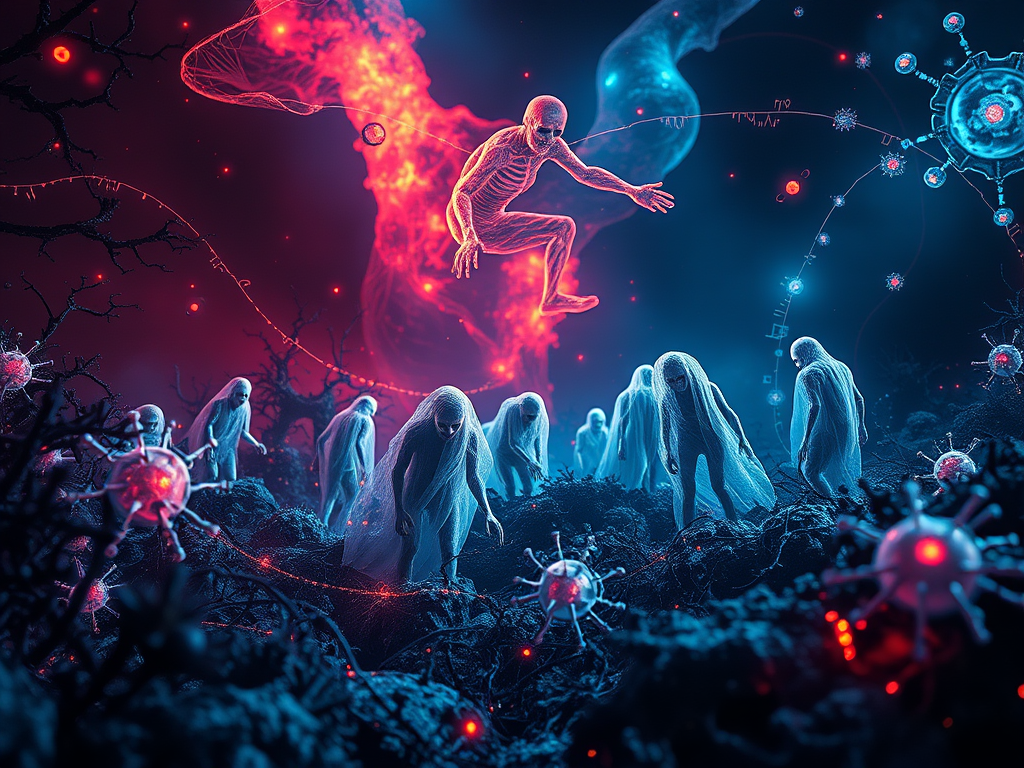
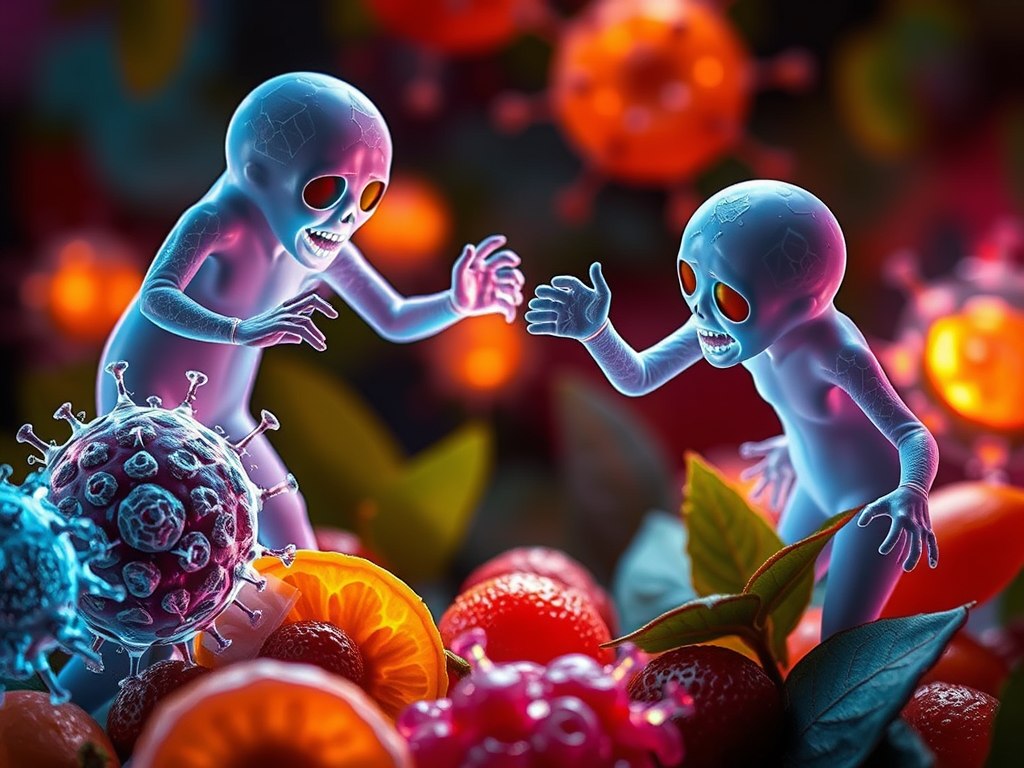
“Zombie cells” — scientifically known as senescent cells — are damaged, non-dividing cells that refuse to die. Like ghosts in your tissue, they don’t contribute to regeneration… but they still take up space.

They release inflammatory signals (SASP — senescence-associated secretory phenotype) that:

  • Trigger nearby cells into dysfunction
  • Drive chronic inflammation
  • Accelerate aging-related diseases (osteoporosis, cardiovascular disease, neurodegeneration, etc.)

So what do we do? Enter senolytics — compounds that selectively help clear or silence these zombie cells.

The most researched natural senolytic supplements include:

1. Fisetin

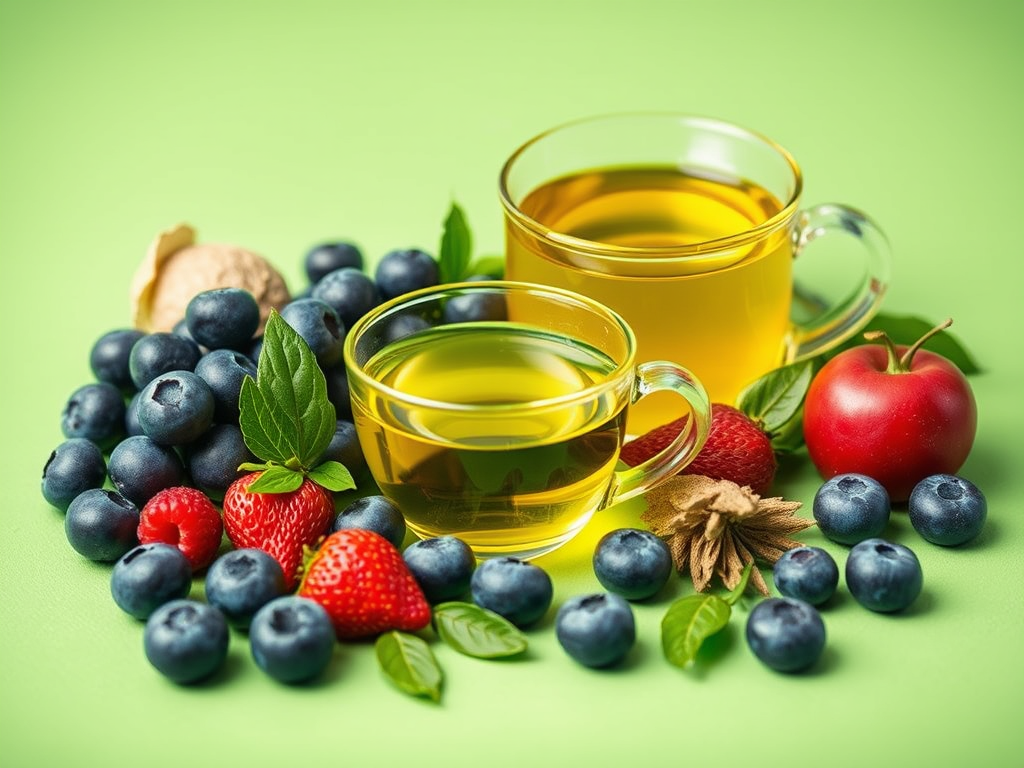
  • A flavonoid found in strawberries, apples, onions
  • Shown in animal studies to reduce senescent cell burden
  • May improve cognitive clarity, inflammation markers, metabolic health

2. EGCG (Epigallocatechin Gallate)

  • Green tea extract compound
  • Has antioxidant + senomorphic (modulating zombie cell behavior) effects
  • Supports DNA repair and metabolic regulation

3. Quercetin

  • Found in apples, onions, capers
  • Works synergistically with Dasatinib (in some clinical protocols)
  • May reduce inflammation and oxidative stress

4. Curcumin

  • Found in turmeric
  • Mild senomorphic and strong anti-inflammatory properties
  • Supports autophagy and detox pathways

These aren’t magic pills. They’re messages. They remind the body: “We’re still evolving.”

🌀 4. ✅ Step-by-Step Guide to Using These Supplements with AI-Aware Structure

1. Pick Your Purpose

  • Longevity? Inflammation? Cognitive clarity?
  • The reason will shape the rhythm.

2. Baseline Yourself

  • Energy, sleep, mood, inflammation (even subjectively)
  • Track using AI journaling prompts (like: “Describe your clarity at 3pm today.”)

3. Choose the Right Molecule

  • Fisetin: for general senolytic action
  • EGCG: for systemic antioxidant support
  • Quercetin: for immune/inflammation balance
  • Stack with AI: Prompt tracking, timing adjustment

4. Timing Protocol

  • Fisetin: often used in high-dose, short-term cycles (consult practitioner)
  • EGCG: morning dose with food to reduce nausea
  • Quercetin: split doses for absorption

5. Stack Smartly

  • Combine with fasting for enhanced autophagy
  • Add NAD+ boosters (like NMN) for synergy

6. Use AI to Reflect

  • Weekly prompt: “What felt lighter this week?”
  • Or: “What signal did my body return to me today?”

🌀 5. Secrets That Make It Work

✨ Stack with Ritual These supplements work best when they’re part of a larger rhythm — movement, sleep, breath, and light exposure all amplify their effect.

✨ Silence = Signal Fisetin isn’t a stimulant. You won’t feel it. But over weeks, you’ll notice: skin tone, mood regulation, brain fog fading.

✨ Don’t Chase Youth — Support Renewal These aren’t about being 25 again. They’re about letting your body release the weight it doesn’t need to carry anymore.

✨ Journal the Subtle Most benefits are quiet. Track how your mornings feel. How your tension shifts. How your mirror meets your eyes again.

✨ Cycle & Pause Senolytics like fisetin may not be for daily use. Use short bursts (2 days/month) — let your biology rest between signals.

6. 💼 Real-Life Examples 

EX1 He was 42, feeling foggy every afternoon. He tried a weekend fisetin protocol after reading a small study. He didn’t expect much. But the following week, he noticed his 3pm slump was gone. He wrote in his journal: “I didn’t crash. I cruised.”

EX2 She took EGCG daily with lemon water. Not for energy, but for clarity. By week 2, she said the emotional noise in her head had quieted. Her daughter called and asked, “Did something happen? You sound more like… you.”

EX3 After reading about senescent cells, he tried quercetin on a whim. A month in, his joint stiffness in the morning had eased. “I didn’t know how heavy my body felt… until it didn’t.”

EX4 She stacked fisetin with her spring cleaning ritual. Decluttered her home and her cells at once. She said it felt like internal dust was clearing.

EX5 He did a two-day fisetin pulse every new moon. Not because of science — because of rhythm. “When I sync my biology with cycles, I remember I’m part of something bigger.”

EX6 Her mom was skeptical. But after two months on EGCG, she noticed her brain fog lifting. She texted, “I feel like someone cleaned my windshield.”

EX7 He tracked his sleep, mood, and HRV. EGCG didn’t boost his numbers — it stabilized them. For the first time in months, his chart felt like a smooth song.

EX8 She added turmeric to her morning chai. Curcumin didn’t give her energy, but she said, “I feel less reactive. Like I’m not always bracing.”

EX9 He created an AI-generated tracker: when he took fisetin, how his mood shifted, his dreams. Patterns emerged — and so did better mornings.

EX10 After heartbreak, she needed a ritual. She chose green tea + journaling + EGCG. She called it her “Rebuild Hour.”

EX11 Her knees used to ache after hikes. With quercetin and stretching, she reclaimed her trails. Her trail journal began again.

EX12 He gave fisetin to his dad. After 3 weekends, his father said, “I didn’t nap yesterday. That hasn’t happened in years.”

EX13 She used senolytics as a seasonal reset. Autumn = let go. Fisetin became her leaf-fall supplement.

EX14 He paired EGCG with forest walks. Not for fitness — for reconnection. “I feel like my cells remember nature.”

EX15 She called her protocol “cellular housekeeping.” Once a month, two days of focus. Fisetin, hydration, silence.

EX16 He tracked focus using AI journaling. Post-quercetin cycles, his entries became longer. “I wasn’t just clearer. I wanted to write again.”

EX17 Her skin looked brighter. She didn’t change skincare. She changed inflammation.

EX18 He gifted a fisetin cycle to his sister. She laughed — then thanked him. “I feel like someone opened a window in me.”

EX19 She forgot she was taking anything. Then she noticed: she was less irritated, more patient. “That’s not the supplement,” she thought. “That’s the space it gave me.”

EX20 They did a senolytic challenge as a couple. Two days a month, together. Biohacking became bonding.

7 FAQ 

Q1: What if I don’t feel anything after taking fisetin? A1: That’s more common than you think. Think of senolytics like deep cleaning — you don’t always notice what’s gone, but you feel the space. One person said, “I didn’t feel a burst of energy. I just didn’t feel… heavy.” Track small shifts: mood, patience, mental clarity. Sometimes, silence is the best signal.

Q2: Can I take these supplements every day? A2: Not all of them. Fisetin, for instance, works best in short pulses — like a weekend protocol. EGCG can be taken daily, but moderation matters. Think of it like training your cells: rest is part of the work.

Q3: Will this reverse my aging? A3: Nothing reverses time. But senolytics may help lighten the load of aging. You won’t become 25 again — but you might meet yourself more gently at 50.

Q4: Is it dangerous to try without a doctor? A4: Always check if you’re on medication. Natural doesn’t mean harmless. These compounds interact. But if you’re healthy and curious, many begin with low doses and journal the response.

Q5: How do I know if I have senescent cells? A5: Everyone does — it’s part of aging. You don’t need a test. You need a rhythm. Think in seasons: moments of clearing, moments of restoration.

Q6: What’s better — fisetin or quercetin? A6: It depends. Fisetin has more senolytic data. Quercetin has broader anti-inflammatory reach. Some stack both. Others alternate. Let your body vote.

Q7: Can I stack senolytics with fasting? A7: Yes — many do. Autophagy (your body’s clean-up crew) is boosted during fasts. Fisetin + fasting is a popular combination. Start light.

Q8: Should I take it with food? A8: Some, like EGCG, are better with food to avoid nausea. Fisetin is fat-soluble — take with healthy fats. Pair it with presence.

Q9: How long until I see results? A9: Some feel lighter after one protocol. Others take weeks. Focus less on instant results, more on subtle returns: easier mornings, less irritability, deeper rest.

Q10: Are there risks? A10: Too much EGCG may affect the liver. High-dose protocols need cycles. Always listen. If your body whispers discomfort, pause.

Q11: Should I take all of them together? A11: Start with one. Add slowly. Your body isn’t a lab — it’s a landscape. Walk it, don’t bulldoze it.

Q12: Can I gift this to someone? A12: Yes. But offer it gently. “I found something that helped me feel clearer — would you like to try it?” Give the story, not just the capsule.

Q13: Can I do this on a budget? A13: Yes. Fisetin and quercetin are affordable. You don’t need daily doses. Think seasonal pulses. Intent beats excess.

Q14: Is this only for older people? A14: No. Cellular waste builds even in our 30s. Think of it as a tune-up — not a repair.

Q15: How do I track the effect? A15: Journal weekly. Use AI prompts. “Did my focus change?” “How did I respond to stress?” This is biofeedback with soul.

Q16: Can I use this with other longevity tools? A16: Absolutely. Senolytics pair well with NAD+ boosters, exercise, breathwork. Build a rhythm stack.

Q17: Will this help my brain? A17: Many report mental clarity, less fog, even better dreams. Your neurons age too. Fisetin may help them remember.

Q18: What if I forget to take it? A18: That’s okay. This isn’t a pharmaceutical. It’s a ritual. Missed a day? Return tomorrow.

Q19: What if I feel worse? A19: Some feel detox symptoms. Stay hydrated. Lower the dose. If in doubt, pause. Listening is part of healing.

Q20: Is this really worth it? A20: Only if you believe your cells are listening. And if you’re ready to speak gently back.

8 Action Check List.

  • Choose one senolytic supplement and try it for a weekend protocol. ( )
  • Write a 3-line journal each morning after taking it. ( )
  • Share one insight with a friend who’s curious about health. ( )
  • Add a calming ritual to your supplement time — breath, tea, silence. ( )
  • Create an AI journaling prompt that tracks clarity or sleep. ( )
  • Do a two-day “internal reset” every month — even without supplements. ( )
  • Read one new research article about fisetin or EGCG. ( )
  • Compare how you feel on a supplement day vs. regular day. ( )
  • Pair your next fisetin dose with a walk — feel your body speak. ( )
  • Try stacking EGCG with a low-stress workday. Observe productivity. ( )
  • Make a visual tracker: when you dose, how you felt. ( )
  • Gift a protocol to someone you love, with story included. ( )
  • Try silence for 10 minutes post-dose. Just listen. ( )
  • Name your protocol something meaningful — “cellular clearing” or “stillness days.” ( )
  • Celebrate small shifts. A better nap counts. ( )
  • Write a letter to your future self post-cycle. ( )
  • Create a “cell care” playlist. Let music become part of your healing. ( )
  • Ask your body one question after each cycle: “What did I release?” ( )
  • Teach one person about senescent cells using metaphor — “like expired software in your system.” ( )
  • Repeat this: “I’m not reversing time. I’m releasing what no longer serves.” ( )

🌀 Template 9: Conclusion — The Future of Cellular Renewal Is Rhythmic

You’re not just taking supplements. You’re creating rhythm. You’re clearing space. You’re listening to the quiet music beneath your skin — the kind that begins again every time you choose to care.

This blog wasn’t about molecules. It was about permission. To slow down. To recalibrate. To return to yourself — not as a task, but as a tone.

So what happens next?

🌿 Forecast: The Next Evolution of Senolytics

  • AI-personalized supplement timing based on your HRV, mood, or cycle
  • Integration with wearable tech that senses cellular stress in real-time
  • Smart dispensers that align with circadian biology
  • Microdosing of senolytics paired with light, music, or breath
  • AI-driven journaling that detects shifts in energy before you do

We are entering an age where care is not scheduled — it’s sensed. Where protocols aren’t fixed — they’re felt.

And it starts with moments like this: You, reading this, wondering if you’re ready. You are.

📌 How to Prepare:

  • Begin a seasonal protocol: two days every month, reflect after
  • Use AI to help track mood, clarity, and subtle changes
  • Gift this rhythm to someone you love
  • Reframe aging as evolution — not loss
  • Create a calendar that includes cellular care alongside meetings and chores

This isn’t just wellness. This is remembrance.

That your body is worth syncing with. That your cells are still listening.

And you don’t need to optimize everything. You just need to return.

We age not only in years — but in noise. Senolytics help you quiet the static.

So here’s to stillness. To clearing. To becoming — again and again.

You’re not reversing time. You’re releasing what no longer serves.

🌕

🌀 Template 10: Legal Disclaimer + Tags

Disclaimer: This blog is for educational purposes only. The use of supplements like fisetin, quercetin, or EGCG should be done with awareness and ideally in consultation with a healthcare provider. These compounds, while natural, are bioactive and may interact with existing conditions or medications. Information here does not constitute medical advice.

Tags: senolytics, zombie cells, cellular renewal, fisetin, EGCG, quercetin, natural anti-aging, inflammation, longevity routine, AI health tools, biohacking, wellness journaling, intermittent fasting, NAD+, autophagy, green tea extract, turmeric, longevity lifestyle

🌀 Template 11: Author Commentary — 20 Real-Life Rhythm Tips

Tip1: Your body doesn’t want perfection. It wants consistency.

Tip2: No one feels amazing every day. Journal anyway.

Tip3: Two quiet days a month can change your year.

Tip4: If it feels too small to matter — you’re probably doing it right.

Tip5: Stack care with moments that already exist. Tea. Walks. Sunlight.

Tip6: Don’t chase youth. Support your own unfolding.

Tip7: Your protocol doesn’t need to look like anyone else’s.

Tip8: Supplements are signals, not saviors.

Tip9: Take your first dose with intention. It sets the tone.

Tip10: Forget biohacking. Remember care.

Tip11: Clarity isn’t a burst — it’s a gentle return.

Tip12: Add music to your healing. Literally.

Tip13: Track how you feel in metaphors, not just numbers.

Tip14: A nap is valid data.

Tip15: Speak your protocol out loud — even to yourself.

Tip16: Don’t fear failure. Just return to rhythm.

Tip17: Share your rituals. Someone else needs them.

Tip18: Try one thing. Observe. Adjust. Simplicity wins.

Tip19: If you forgot today, you’re still welcome tomorrow.

Tip20: Repeat this: “I’m not reversing time. I’m releasing what no longer serves.”

🌀 Template 12: Interaction Layer

Let’s not let this end quietly.

Drop a comment: What part of this rhythm moved you most today? Or share one practice you’re experimenting with — even if it’s simple.

Your ritual might be someone else’s permission.

You don’t need to explain it perfectly — just honestly. Let this be the beginning of your next return.

🌀 Template 13: Meta Description for SEO

Discover how supplements like fisetin, EGCG, quercetin, and curcumin may support cellular renewal by targeting senescent “zombie” cells. Learn how AI tools, journaling, and rhythm-based protocols can enhance these effects for a more intuitive, low-cost longevity practice. This guide explores natural senolytics, real user stories, cycles, supplement timing, and how to use emotional data to guide wellness choices. Perfect for beginners, wellness seekers, and biohackers looking for soulful anti-aging methods beyond the hype. Includes FAQs, personal routines, safety disclaimers, and storytelling-based checklists for embodied self-care.

AI vs. Zombie Cells: How Artificial Intelligence Helps Eliminate Senescent Cells and Extend Lifespan

🌟 Introduction: Why Most People Never Even Try to Target Zombie Cells

Most people don’t fail to rejuvenate because they’re weak or uneducated. They fail because they never start. They never look.
Why? Because cellular aging feels invisible, like a secret decay happening out of sight.

And yet, in the silent corners of your body, there are cells—once vital—that now refuse to die.
They’re called zombie cells (scientifically, senescent cells), and they’re quietly sabotaging your health.

These aren’t horror-movie monsters. They’re tired cells that stopped dividing but didn’t self-destruct. They clog your tissues, leak toxic signals, inflame their neighbors, and accelerate your biological aging clock.

We know this. Science has shouted it from mitochondrial rooftops. But most people still don’t take action. Why?

Because they think:

  • “I’m too young to worry about aging.”
  • “There’s no clear path to remove zombie cells.”
  • “It sounds like science fiction.”

But here’s what’s changed: AI is rewriting that narrative.

With machine learning, researchers are now identifying senescent cells faster, developing new therapies to target them more precisely, and even predicting who’s aging faster before symptoms appear.

We’ve entered an era where aging is not fate—it’s a modifiable variable. And zombie cells? They’re no longer untouchable.

In this blog, we’ll break down the science, show you what zombie cells are, how to eliminate them, and how AI is lighting the way.

Let’s begin not with fear, but with a spark of biological sovereignty.
Let’s meet the monsters—and disarm them.


🧬 What Zombie Cells Actually Are (in Real Human Language)

Zombie cells—aka senescent cells—are cells that have stopped dividing but haven’t died.

They accumulate due to:

  • Aging
  • Radiation
  • Oxidative stress
  • DNA damage
  • Telomere shortening

Instead of undergoing apoptosis (natural cell death), they linger and secrete harmful molecules called the senescence-associated secretory phenotype (SASP).

This toxic brew:

  • Increases inflammation
  • Damages healthy cells nearby
  • Disrupts tissue repair
  • Weakens immunity
  • Increases risk for cancer, Alzheimer’s, diabetes, arthritis, and more

Zombie cells were once thought harmless—like old retired cells.
But now we know: they’re active saboteurs.

They’re implicated in almost every age-related disease.
Remove them, and mice grow younger, heal faster, and even live longer.

🔍 The AI Twist

AI is accelerating this research at warp speed:

  • Single-cell profiling: Algorithms can now detect senescent cells with high precision
  • Drug screening: AI helps screen thousands of compounds to find senolytics (zombie cell killers)
  • Biomarker detection: Predict who is aging biologically faster than their calendar age
  • Synthetic biology: Machine learning assists in designing smart drugs that only target zombie cells, leaving healthy ones intact

AI doesn’t just find problems. It maps solutions.


✅ Step-by-Step: How to Target and Reduce Zombie Cells

1️⃣ Pick a Purpose

Are you aiming for general health, specific disease prevention, or age reversal? Your strategy depends on your goal.

2️⃣ Know the Tools

  • Senolytics: Compounds that selectively destroy senescent cells (e.g., Fisetin, Quercetin + Dasatinib)
  • AI-based longevity tests: Companies now use machine learning to analyze your biomarkers and detect senescence levels
  • Lifestyle changes: Caloric restriction, fasting, and regular exercise reduce senescent cell load

3️⃣ Integrate With Precision

  • Test your biological age
  • Identify SASP markers through AI-driven blood tests
  • Introduce senolytics cyclically (never daily)

4️⃣ Use AI Platforms

  • Try AI-powered wellness platforms (e.g., InsideTracker, OneSkin, or Altos Labs collaborations)
  • Upload your health data, get tailored anti-senescence protocols

5️⃣ Monitor & Adapt

  • Use wearables + AI dashboards to track inflammation, HRV, recovery
  • Adjust routines as your biology evolves

🧠 Secrets That Make It Work

🔑 Timing is key: Senolytics don’t work if taken daily. They’re pulse therapies—typically monthly.

🔑 Stack interventions: AI-guided nutrition, fasting, sleep optimization + senolytics work synergistically.

🔑 Test, don’t guess: AI blood diagnostics reveal your unique SASP profile.

🔑 Cycle with care: Over-clearing can stress tissues. AI modeling helps optimize timing.

🔑 Personalize everything: There is no one-size-fits-all protocol. AI helps you tailor by age, genetics, stress load, and environment.

🔑 Think beyond pills: Sauna, red light therapy, time-restricted eating—all reduce senescence.

You don’t need to become a scientist.
You just need to become curious.

Because eliminating zombie cells is no longer sci-fi.
With AI as your compass, it’s science you can live by.

This is your invitation to age—not harder, but smarter.

The monsters aren’t coming.
They’re already here.
And now, we can finally send them home.

6. 💼 Real-Life Examples 

EX1: Clara, a retired nurse, used an AI-powered blood test to discover elevated inflammation markers. With guidance, she began monthly fisetin cycles. Her joint stiffness eased within weeks, and her energy returned like spring thaw.

EX2: Dev, a 37-year-old coder, built a dashboard that tracks his HRV and CRP levels daily. When inflammation spikes, he triggers a 48-hour fast and red light therapy—a pattern that’s lowered his biological age by 4 years.

EX3: Lena combined intermittent fasting with an AI longevity platform. After just 60 days, her sleep patterns normalized, and the stubborn brain fog she’d had for years lifted like a veil.

EX4: Theo was skeptical until his wearable showed rising oxidative stress despite exercise. AI predicted cellular senescence, prompting a low-dose senolytic protocol that reversed early signs of arterial stiffness.

EX5: Mina, postmenopausal and tired of feeling invisible, ran an AI-driven diagnostic. Her SASP levels were off the charts. Targeted interventions gave her skin, joints, and even libido a second wind.

EX6: A cancer survivor, Jorge used AI to ensure his post-treatment protocol wouldn’t overburden his system. The result? Gentle senescent cell clearance with minimal side effects.

EX7: Talia, a yoga teacher, incorporated thermal cycling and green tea with quercetin on AI-guided cycles. Students noticed her “glow” before she did.

EX8: After losing his wife, Marcus aged 10 years in one. AI revealed biological damage. With fasting, nature, and a personalized senolytic regimen, he began to re-enter life again.

EX9: A wellness influencer documented her journey online. The AI-prompted protocol wasn’t glamorous—but after 90 days, her followers saw the difference. Authenticity replaced vanity.

EX10: Haruto, a Japanese calligrapher, synchronized his cellular cleansing with lunar cycles—guided by AI modeling. His work gained new depth, mirroring his internal clarity.

EX11: Petra, a mother of three, used AI to coordinate family mealtimes around optimal senescence-reducing windows. Her children’s health improved, too.

EX12: Dylan built a men’s support group around anti-zombie routines. Together, they pulse fasted, tracked sleep, and journaled. They call it “The Cell Reset Brotherhood.”

EX13: Olivia, a classical pianist, began cycling sauna sessions. Her arthritis eased. Her play regained fluidity. Her doctor was baffled; she wasn’t.

EX14: Abdul, a startup founder, implemented quarterly AI wellness reports for his team. Productivity soared, and sick days plummeted.

EX15: Gina created a “Menopause & Senescence” guide after AI revealed her declining estrogen was tied to increased cell aging. She’s now a thought leader.

EX16: Raúl, in his 60s, used AI to guide exercise intensity and senolytic dosage. He now runs marathons—at the age when his father was bed-bound.

EX17: Zoey started with curiosity. AI showed gut issues were feeding systemic aging. A tailored protocol reversed her food intolerances.

EX18: Ethan, a biotech investor, uses AI dashboards not for profits—but for his own cellular timeline. His bio-age has flatlined despite stress.

EX19: Kiara started a podcast—“Conversations with My Cells.” Each episode, she explores how she’s using AI to live, not just survive.

EX20: Jamal built a local community garden synced with biological clocks. With AI, they plant, fast, and flourish together.


7. 💬 FAQ 

Q1: Am I too young to worry about zombie cells? A: Senescent cells don’t care about your age. They care about stress, toxins, and trauma. Many people in their 30s are already accumulating them silently. Think prevention, not panic.

Q2: Is this all just hype and supplements? A: No. This isn’t a sales pitch. Peer-reviewed studies back the link between senescent cells and disease. The real magic is the synergy: when AI pinpoints what you need, not what the trend says.

Q3: What’s the safest way to start? A: Begin with bloodwork. Many longevity platforms offer AI biomarker scans. Pair that with fasting or gentle senolytics like fisetin—and always cycle, never daily-dose.

Q4: Can’t I just eat healthy and exercise? A: You should. But lifestyle slows the leak; it doesn’t patch the hole. Zombie cells need targeted removal, not just kindness.

Q5: What if I’m already sick? A: Then you have even more reason to explore. But work with a practitioner. AI gives insights, but human oversight ensures safety.

Q6: Isn’t this biohacking only for the rich? A: Not anymore. AI democratizes it. What cost labs thousands a decade ago is now a $99 test and an app away.

Q7: How do I talk to my doctor about this? A: Print research. Be humble. Say: “I want to stay curious about aging.” A good doctor listens. Or help them become one.

Q8: Can AI be wrong? A: Of course. That’s why we interpret, not blindly obey. Let AI be your compass—not your captain.

Q9: What’s the downside? A: Over-clearing or misusing senolytics can backfire. That’s why AI guidance matters. Don’t guess. Test.

Q10: What should I track? A: Sleep quality, HRV, inflammation markers, mood. Zombie cells love chaos. Your job is rhythm.

Q11: Will this work for everyone? A: No one thing does. But targeting senescence is like flossing: small, regular acts prevent decay.

Q12: How long until I feel a difference? A: Some feel it in weeks. Others months. Like cleaning a cluttered house—you’ll know when breath returns.

Q13: Can I do this without pills? A: Yes. Heat, cold, fasting, red light, breathwork—all reduce senescence. AI helps you combine wisely.

Q14: What if my family isn’t supportive? A: Start small. Let them witness your glow. Health is contagious when humble.

Q15: Is there a best time to start? A: After grief. After loss. After birthdays. Or now. The body listens, whenever we begin.

Q16: How often should I do this? A: Pulse monthly or quarterly. More is not better. Flow is.

Q17: What’s the best senolytic? A: The one that works with your biology. Fisetin is widely used. Quercetin + Dasatinib is potent. AI tells you when.

Q18: Will I age slower? A: You might. More likely: you’ll suffer less while doing so. And that’s a win.

Q19: What does AI do here, really? A: It sees patterns you don’t. Then suggests paths you’d never think of. With you, not for you.

Q20: Why haven’t I heard of this before? A: Because change starts quietly. But now you’ve heard. And now, you choose.


8. ✅ Action Checklist 

  • Ordered my first AI-powered biomarker test ( )
  • Scheduled a 48-hour fast aligned with lunar phase ( )
  • Downloaded an app to track sleep and HRV ( )
  • Started a journal: “Letters to My Cells” ( )
  • Asked my doctor about senolytics without fear ( )
  • Replaced one meal with anti-inflammatory smoothies ( )
  • Added sauna or cold exposure to my week ( )
  • Read my SASP results and paused before reacting ( )
  • Joined a senescence-awareness online group ( )
  • Began monthly pulse therapy (not daily!) ( )
  • Asked loved ones to track wellness with me ( )
  • Shared my story of why I began ( )
  • Saved up for a personalized AI protocol ( )
  • Meditated on gratitude for my body’s effort ( )
  • Turned off screens at sundown for 3 nights ( )
  • Practiced one week of time-restricted eating ( )
  • Listened to a podcast on cellular aging ( )
  • Drew my own “Zombie Cell Map” of the body ( )
  • Created a “cell-cleanse” ritual playlist ( )
  • Whispered: “I choose to live clearer, not longer.” ( )

9. 🌱 Conclusion: Designing Life Beyond Zombie Cells

We no longer live in an era where aging must be accepted as fate.
AI is accelerating decades of longevity research, transforming the question from “How do we live longer?” to “How do we stay awake and clear while we live longer?”

Zombie cells are no longer metaphors.
They’re real—lingering in our tissues, triggering inflammation, blocking regeneration, distorting the rhythm of life.

But now, we know.
AI is not just an analyzer—it is a map, a compass, a companion.

🔮 What the Future Holds

  1. AI-based diagnostics become routine: Annual health checks will include biological aging and senescence indicators.
  2. Rise of personal cleansing protocols: AI-powered apps will offer tailor-made senescent cell clearance plans.
  3. Mainstream reversal clinics: What was once exclusive to Silicon Valley will be standard in local clinics.
  4. Family-level biology dashboards: Dad’s stress, the child’s sleep, mom’s inflammation—all synced and optimized.
  5. AI emotional companions: Imagine your AI saying, “Your cells feel tired. How about some sunshine today?”

💖 How to Begin

  • Choose observation over fear: Replace “I’m scared of aging” with “I want to hear what my body is saying.”
  • Take it step-by-step: Don’t chase perfect routines. Small actions build rhythm.
  • Start a personal record: Morning moods, eye clarity, fingertip warmth. These notes may be more precise than any algorithm.

💬 The Rhythm of Emotion and Solution

You reading this now—you may feel curious or even uneasy.
That emotion is proof you’re alive.

We all age.
But now, we can age differently.

Slower.
Clearer.
More human.

May this post serve not just as data—but as a quiet light.

Whatever path you choose, remember:

You are not too late.
You are right on time.
Whispered: “I choose to live clearer, not longer.”


10. 🏷 LEGAL & TAGS

Disclaimer: This blog is for educational purposes only and does not constitute medical advice. Individual health status may vary. Always consult a qualified healthcare provider before beginning any new health protocol.

TAGS: zombie cells, senescence, anti-aging, AI health, longevity, biohacking, inflammation, cellular health, aging reversal, AI wellness, personalized medicine, healthspan, senolytics


11. 💡 Author Tips (Tip1–Tip20)

Tip1 Start from uncertainty. Readers are there, too.
Tip2 With each sentence, breathe. Writing is rhythm.
Tip3 After data, leave space. Emotions need air.
Tip4 Answer “why” before “how.”
Tip5 Use metaphor over explanation. The unfamiliar becomes intimate.
Tip6 Write your doubts—they create connection.
Tip7 Be bold with omission. Over-explaining muffles clarity.
Tip8 Insert pause-like sentences mid-text.
Tip9 Write like an expert, speak like a friend.
Tip10 Anticipate the reader’s emotional trigger.
Tip11 Story before statistics.
Tip12 First sentence is an invitation; the last, an embrace.
Tip13 Space between paragraphs matters. Rest is information.
Tip14 Rhythm comes from repetition. Emphasize what matters twice.
Tip15 End with a question. Make the reader’s soul respond.
Tip16 Add breath behind numbers.
Tip17 Translate expert quotes for real people.
Tip18 Links aren’t roads—they’re bridges. Use them mindfully.
Tip19 Let periods echo. Silence becomes memory.
Tip20 If you needed to read it too—it was well written.


12. 🔄 Interaction Layer

🗨️ How do you feel about all this?
Has your view on zombie cells, AI’s role, or aging changed?
Share your personal routine or thoughts below.
Your story might be the spark someone else needs.


13. 🔎 Meta Description (SEO)

Discover how AI is revolutionizing anti-aging by targeting zombie cells (senescent cells). Learn about senolytics, personalized AI wellness tools, real-life protocols, and emotional strategies to extend your healthspan. Keywords: AI longevity, zombie cells, cellular health, senescence, anti-aging tech, biohacking, senolytic therapy, health optimization, aging reversal, human-centered health AI.

AI x Longevity: Why Resveratrol Might Be the Anti-Aging Code Your Body’s Been Waiting For

1. Title AI x Longevity: Why Resveratrol Might Be the Anti-Aging Code Your Body’s Been Waiting For

🌀 2. Introduction Let’s be honest: most people won’t even try.

They’ll see “resveratrol,” think “grapes,” maybe read a headline about red wine, and then scroll on. Why? Because aging feels inevitable. Because longevity feels abstract. Because our daily routines are too full of short-term noise to make space for long-term clarity.

But what if you could change your body’s timeline — not through fantasy, but through chemistry, rhythm, and intention?

This isn’t just another anti-aging blog. This is a signal — a call to those who feel the dissonance between their cellular fatigue and their soul’s unfinished melody.

Resveratrol, powered by insight and AI-designed routines, isn’t magic. But it might be mechanism.

If you’ve ever felt betrayed by your body, confused by your mirror, or curious about how science could help you return rather than decline, this guide is for you.

Why do most people never explore longevity? Because it feels too far away. Because we’re sold either false promises or sterile charts.

So let’s do something radical: Let’s make longevity personal. Let’s talk about resveratrol the way we talk about music, meaning, and momentum. Not clinical. Not hyped. Just real.

This is how rhythm returns to your cells. And how time — that ancient thief — gets slower, maybe even softer.

🌀 3. What Resveratrol Actually Means

Resveratrol is a natural polyphenol — a compound found in red grapes, blueberries, and Japanese knotweed. But more than a molecule, it’s a cellular signal.

At its core, resveratrol activates sirtuins — a family of proteins that regulate cellular health, DNA repair, inflammation, and metabolism.

In other words: it speaks your cells’ language.

When your body encounters stress (oxidative or metabolic), resveratrol acts like a biochemical coach, encouraging longevity genes to express themselves more powerfully.

It’s been shown to:

  • Improve mitochondrial function
  • Support cardiovascular health
  • Reduce inflammation
  • Enhance insulin sensitivity
  • Protect against neurodegeneration

But most importantly, it mimics calorie restriction — one of the most well-researched interventions for life extension — without starving yourself.

This isn’t about taking a magic pill. It’s about restoring internal communication. Your cells were born to renew. Resveratrol helps them remember how.

🌀 4. ✅ Step by Step: How to Start Using Resveratrol with AI-Assisted Ritual

  1. Pick Your Purpose
    • Is this for prevention, energy, cognitive clarity, or graceful aging?
    • Define your reason. That anchors the rhythm.
  2. Track Your Baseline
    • Energy levels, sleep, focus, skin, mood
    • Write a 7-day baseline journal
  3. Choose Your Source
    • Trans-resveratrol (most bioavailable)
    • Natural (grape skin, Japanese knotweed) vs Supplement
  4. Sync with Circadian Rhythm
    • Take resveratrol with or after your first meal (avoid late evening doses)
    • Combine with NAD+ boosters (like NMN) for synergistic effect
  5. Build a Delivery Ritual
    • Use habit-tracking apps (or AI reminder systems)
    • Stack it with another habit (morning tea, journaling, stretching)
  6. Use AI to Reflect & Adapt
    • Prompt: “Analyze my weekly energy and recommend adjustments to dosage/timing”
    • Or use ChatGPT to log your reflections and spot trends
  7. Mind Your Metaphor
    • This is not a supplement. This is a bridge back to clarity.
    • Treat the moment of taking it with reverence.

🌀 5. Secrets That Make It Work

✨ Pair it with microfasting. Resveratrol shines when your body is in a semi-fasted state. Even 12–14 hours overnight can activate its benefits more deeply.

✨ Silence = Signal. Use quiet time after taking it to check in with your body. This enhances mind-body syncing, reinforcing the message: “We’re restoring.”

✨ Use a phrase. Every time you take it, say: “I choose renewal.” This programs intention into biology.

✨ Track feeling, not just data. You may not see immediate change. But you will feel alignment. Resonance before results.

✨ Don’t chase youth — build presence. Resveratrol isn’t about looking 25. It’s about aging with agency, not accident.

 Template 6: Real-Life Examples (EX1–EX20)

EX1 She’d been tired for months. No diagnosis, just a fog. After three weeks of resveratrol and early morning walks, she messaged her daughter: “I feel like myself again.”

EX2 He took it with skepticism. But after a month, he realized he no longer needed that second afternoon coffee. Clarity had returned — not in a flash, but in a steady unfurling.

EX3 She was 58 and feeling invisible. One morning, after journaling and her resveratrol tea, she caught her reflection and whispered, “You’re still here.”

EX4 He started with a single capsule and a single rule: no screens for 30 minutes after. That silence became sacred.

EX5 She added resveratrol into her routine like she’d add a comma — something subtle but rhythm-restoring. Three weeks in, her digestion smoothed out. She laughed more.

EX6 A biohacker friend pushed him into it. He dismissed it. But after pairing it with NAD+ boosters and 16:8 fasting, his chronic inflammation quieted. He started sleeping through the night.

EX7 Her dad, 71, tried it for “energy.” What he got instead was mental sharpness. For the first time in years, he beat her at chess again.

EX8 A personal trainer began recommending it to clients not for muscle but for mood. Clients came back saying, “I just feel lighter.”

EX9 She journaled every morning: dose, mood, sleep. At day 17, she wrote: “Less anxious. Less achy. Is this what balance feels like?”

EX10 After a breakup, he used resveratrol as a healing anchor. Each capsule was taken with the mantra: “I am rebuilding.”

EX11 Her menopause symptoms weren’t gone. But they weren’t ruling her. She said, “I don’t feel betrayed by my body anymore.”

EX12 After chemo, his recovery was slow. Adding resveratrol with his nutritionist’s blessing helped him feel “a bit more human” every morning.

EX13 He wasn’t trying to reverse time. He just didn’t want to dread waking up. A month in, mornings stopped feeling like resistance.

EX14 A CEO burned out on caffeine switched to resveratrol and adaptogens. Performance didn’t drop — it clarified.

EX15 She used to skip breakfast. Now, she made a ritual: resveratrol, warm lemon water, a window seat. A 5-minute sanctuary.

EX16 He logged his mood scores. They didn’t spike — they steadied. That was enough.

EX17 After years of ignoring his body, he whispered, “I’m sorry,” with his first dose. Something softened.

EX18 She paired it with meditation. It wasn’t just biological — it became spiritual.

EX19 After years of supplements, resveratrol was the first that didn’t feel like effort — it felt like return.

EX20 He took it daily, even on bad days. Especially on bad days. Because ritual isn’t about perfection — it’s about presence.

🌀 Template 7: FAQ (Q1–Q20)

Q1: Does resveratrol work instantly? A1: Think of it like learning to breathe deeply again. It’s not a jolt — it’s a realignment. Some feel lighter in a week, others need a month. But almost everyone notices: “I feel more…me.”

Q2: Can I take it with coffee? A2: You can. But coffee pulls you up, resveratrol pulls you inward. Try them an hour apart. Let the messages land separately.

Q3: Will I look younger? A3: Maybe. But more importantly, you’ll feel less frayed. You’ll meet your reflection without flinching.

Q4: What if I miss a day? A4: Then you missed a heartbeat, not the whole rhythm. Forgive, continue.

Q5: Is this for young people? A5: Anyone with cells can benefit. Prevention isn’t about age — it’s about intention.

Q6: Do I need to take it forever? A6: Think seasons, not eternity. Use it until your body says “thank you.” Pause when it feels integrated.

Q7: Can I take it with other supplements? A7: Most of the time, yes. But always listen. Not all voices harmonize.

Q8: Morning or night? A8: Morning aligns with your metabolic fire. Night dims its voice. Choose light.

Q9: What’s the best brand? A9: Purity and source matter. Trans-resveratrol. Minimal fillers. Respect the molecule.

Q10: Can I feel worse before better? A10: Sometimes. Healing stirs the dust. Stay with it.

Q11: Should I cycle it? A11: Some do 5 on, 2 off. Some go months then pause. Let rhythm, not rigidity, decide.

Q12: Will it help with brain fog? A12: For many, yes. Especially when paired with hydration, omega-3s, and good sleep.

Q13: How long before I notice? A13: Most say 10–30 days. But journaling helps you notice what would’ve gone unseen.

Q14: What does AI have to do with this? A14: AI helps track, reflect, and personalize. It doesn’t replace — it amplifies your awareness.

Q15: Should I tell my doctor? A15: Yes. Always. Collaboration beats assumption.

Q16: What if I travel? A16: Pack it like a letter to yourself. Consistency over location.

Q17: Can I give this to my parents? A17: Yes. With grace, not pressure. Show, don’t sell.

Q18: What if I stop feeling it? A18: Maybe you’ve integrated. Maybe it’s time to shift. Ask, don’t assume.

Q19: What if I forget why I started? A19: That’s why we journal.

Q20: Is this really worth it? A20: Only if you’re tired of feeling disconnected from your own body.

🌀 Template 8: Action Checklist (20)

  • Start with one clear intention. Write it down. ( )
  • Create a morning ritual around the dose. ( )
  • Choose silence for 5 minutes after. Let it echo. ( )
  • Track mood, not just metrics. ( )
  • Use AI once a week to review trends. ( )
  • Pair with movement — even light stretching. ( )
  • Avoid pairing it with alcohol. Honor the molecule. ( )
  • Reflect weekly: “What’s shifted, even slightly?” ( )
  • Celebrate consistency more than results. ( )
  • Speak aloud your reason once a week. ( )
  • Try stacking it with journaling. ( )
  • Designate a sacred container for your supplements. ( )
  • Use a habit app for rhythm, not guilt. ( )
  • Share your experience with one person. ( )
  • Reevaluate every 6 weeks. ( )
  • Pause if your body requests it. ( )
  • Protect morning light exposure. ( )
  • Listen to soft music post-dose. ( )
  • Anchor it with a mantra. ( )

Template 9: Conclusion — Why This Matters More Than Ever 

We’ve talked about molecules, rhythms, AI, and intention. But under all of that, what this guide really holds is something very human: hope.

Not the fantasy kind. Not the escape-from-aging kind. But the quiet, dignified kind of hope that says: You are allowed to feel better. You are allowed to age with presence. You are allowed to stop rushing and start restoring.

This isn’t about reversing time. It’s about softening the edges of exhaustion. It’s about building micro-rituals in a world of macro-chaos.

Resveratrol is not a silver bullet. It’s not a hack. It’s an invitation — to remember that your body, though aging, is still listening. Still responding. Still capable of rhythm.

And when you combine that with tools like AI, you create something magical: A system that not only reminds you to take care of yourself, but evolves with you as you grow, change, forget, restart.

Let’s talk future.

🔮 What’s coming next:

  • Personalized supplement stacks built with AI and your real-time biomarkers
  • Morning emails that reflect your sleep, stress, and metabolic data
  • Voice interfaces that check in with your mood and adjust tone
  • Smart dispensers that understand rhythm, not just scheduling
  • Mental health integration with daily motivation based on your tone of journal entries

We are heading toward an age of emotional intelligence fused with biological intelligence.

So how do you prepare?

📌 How to start now:

  • Begin journaling your energy, mood, and clarity for just 5 minutes a day
  • Choose one ritual: resveratrol, journaling, or morning sunlight
  • Track response weekly. Don’t seek spikes. Seek steadiness.
  • Use ChatGPT or another AI to help process how your body is speaking
  • Make health feel like a story, not a checklist

💡 What we forget: Most people don’t fail because they didn’t try. They stop because they didn’t feel seen. This guide — this system — is how you start seeing yourself again.

Not for vanity. Not for numbers. But because you are worthy of your own attention.

Your future self isn’t waiting to criticize you. It’s waiting to thank you.

You’re not late. You’re unfolding.

We don’t age out of purpose. We age into wisdom. Into softness. Into deeper knowing.

🌿 So here is the deepest reason this matters: Because when you wake up tomorrow, and see yourself choosing something gentle, something healing, you’ll remember:

You didn’t give up. You returned.

And that return — is the real anti-aging code.

🌀 Template 10: Legal Tags

Disclaimer: This blog is not medical advice. Always consult a healthcare professional before making changes to your health routine. Individual results may vary. AI-generated insights are for educational and reflection purposes only.

Tags: Resveratrol, Anti-aging, Longevity, AI health, Daily rituals, Biohacking, Cellular health, Sirtuins, NAD+, Wellness routine, Aging well, Natural supplements, Personalized health, Health journaling, Emotional resilience

🌀 Template 11: Author Commentary — 20 Tips

Tip1: Don’t write to impress. Write to echo. Tip2: Make your message something someone saves. Tip3: Never underestimate the power of softness. Tip4: Ritual is stronger than motivation. Tip5: Use metaphors that people can feel, not just understand. Tip6: Every paragraph should feel like a breath. Tip7: Let silence work between your lines. Tip8: AI is a co-writer, not the voice. Tip9: You’re building trust, not clicks. Tip10: Track your own feelings before publishing. Tip11: Avoid formulas. Find flows. Tip12: Make your call-to-action an invitation, not pressure. Tip13: Speak like someone who’s lived it. Tip14: Every good blog post has one line someone tattoos in their notebook. Tip15: Let vulnerability lead. Tip16: People want mirrors, not megaphones. Tip17: Rhythm is more important than length. Tip18: Even science deserves poetry. Tip19: Write as if someone will read it at 3AM. Tip20: When in doubt, return to your own pulse.

🌀 Template 12: Interaction Layer

Let’s not let this blog end with silence. Drop a comment below: What part of this message made you feel something today? Or simply share a small ritual you’ve started that helps you return to yourself.

You don’t need to say it perfectly — just say it honestly. Let’s echo each other.

🌀 Template 13: Meta Description for SEO

Explore how resveratrol, a natural polyphenol, helps support longevity, cellular health, and anti-aging when combined with AI-assisted rituals. This in-depth guide explains how to integrate resveratrol into your daily life, optimize its benefits through journaling and intention, and use emotional feedback tools to create lasting wellness rhythms. Ideal for those seeking personalized health approaches, biohackers, and anyone curious about blending natural supplements with mindful digital tools. Includes scientific context, real-life examples, expert tips, and a soulful tone that redefines wellness not as performance — but as return.

AI Longevity Blueprint: 5 Doctor-Backed Foods That May Help You Live Longer (According to Dr. David Sinclair)

AI Longevity Blueprint: 5 Doctor-Backed Foods That May Help You Live Longer (According to Dr. David Sinclair)


🌟 Introduction: Why Most People Never Even Try

Most people don’t fail at longevity because their genes are weak or their age is too high.
They fail because they never try. They never start.
Why? Because they think it’s too late, too technical, or too far-fetched.

But what if the key to longevity is already in your kitchen?
What if the most powerful biohacks are wrapped in the humble skin of blueberries or infused in a cup of green tea?

Welcome to the age of nutritional resonance—where food isn’t just sustenance, it’s signal.
This blog isn’t a list. It’s a map. And we’re walking straight into the future with five foods recommended by world-renowned longevity expert, Dr. David Sinclair, whose research at Harvard is reshaping how we view aging itself.

This isn’t about dieting. It’s about redesigning your biological clock using real food, ancient molecules, and AI-informed biology.
Because in this new world, aging isn’t a fate. It’s a code. And codes can be rewritten.


🧬 What These 5 Foods Actually Mean

Each of these foods is not just nutritious. They’re nutrigenomic activators—they communicate with your genes.

🍇 1. Blueberries

  • Why they matter: Packed with anthocyanins—powerful antioxidants that protect cells and support NAD+ levels, indirectly fueling longevity at the cellular level.
  • The science: Blueberries have shown to extend lifespan in lab models, reduce inflammation, and improve mitochondrial function.
  • AI twist: Sinclair’s research suggests these may even influence gene expression when combined with NAD boosters like NMN.
  • Pro tip: Frozen blueberries retain 90% of their nutritional power. Blend them. Freeze them. Sprinkle them. Just eat them.

🫒 2. Extra Virgin Olive Oil

  • Why they matter: Rich in polyphenols and heart-healthy fats that improve lipid profiles and activate survival genes.
  • The science: Associated with reduced mortality, especially in Mediterranean populations. Known to trigger autophagy—cellular cleanup.
  • AI twist: Deep learning models suggest polyphenols may “turn on” protective sirtuins.
  • Pro tip: Use it raw—drizzle over salads or steamed veggies. Heat degrades its healing properties.

🍵 3. Green Tea / Matcha

  • Why they matter: EGCG (epigallocatechin gallate) is a powerful sirtuin activator—especially SIRT1, the gene associated with anti-aging.
  • The science: Studies show it reduces oxidative stress and improves metabolic health.
  • AI twist: Emerging longevity algorithms rank EGCG in the top 5 bioactives for lifespan extension.
  • Pro tip: 1–2 cups daily is ideal. Matcha = higher caffeine, higher antioxidants. Choose your rhythm.

🥦 4. Broccoli & Cruciferous Vegetables

  • Why they matter: High in Sulforaphane, a compound that boosts detox enzymes and protects against DNA damage.
  • The science: Known to induce Nrf2, a master switch for detox pathways and cell defense.
  • AI twist: Predictive modeling links cruciferous intake to longer healthspan scores.
  • Pro tip: Lightly steam to preserve compounds. Don’t overcook—it kills the magic.

🍷 5. Red Grapes & Resveratrol-Containing Foods

  • Why they matter: Resveratrol = one of the first molecules linked to SIRT1 activation and mitochondrial repair.
  • The science: Mimics calorie restriction benefits, improves endothelial health, supports longevity.
  • AI twist: When paired with NAD+ boosters, may exponentially improve cellular resilience.
  • Pro tip: Grape skins contain most resveratrol. Choose organic, deep-red varieties or high-quality supplements.

✅ How to Start Using These Foods – Step by Step

1️⃣ Pick a Purpose

Do you want to age slower? Improve energy? Lower inflammation?
Start with your why.

2️⃣ Structure Your Daily Flow

  • Morning: Green tea + blueberries in oatmeal.
  • Lunch: Steamed broccoli with olive oil.
  • Snack: Frozen grapes.
  • Dinner: Side of roasted cruciferous veggies.

3️⃣ Stack Your Timing

  • Match your food with your circadian rhythm.
  • Eat antioxidant-rich foods during stress-prone hours.

4️⃣ Track Your Patterns

  • Use wearables or food journals.
  • Notice energy dips, mood shifts, skin clarity.

5️⃣ Don’t Chase Perfection

  • Longevity isn’t built in a day.
  • It’s built in rhythms.

🔐 Secrets That Make It Work

  • 🍽 Food Synergy: Combine olive oil with cruciferous veggies—fat improves sulforaphane absorption.
  • 🧠 Mindful Eating: How you eat is as important as what. Stress disrupts digestion and nutrient signaling.
  • 📊 Track NAD+ and biomarkers: Use at-home testing or apps like InsideTracker to see the real impact.
  • 🧬 Cycle Interventions: Rotate food emphasis weekly to mimic natural metabolic cycles.
  • 🤝 Pair with Purpose: Eat with intention—longevity isn’t just biochemistry, it’s emotional circuitry.

More than AI or supplements, your kitchen is the first lab.
These five foods aren’t magic. But when eaten with rhythm and reason,
they whisper something sacred to your DNA: “You still have time.”

6. 🍽️ Real-Life Food Longevity Examples (EX1–EX20)

EX1: After her 60th birthday, Susan replaced morning toast with blueberry chia bowls. Her inflammation markers dropped, and she felt 20 years younger.

EX2: Mark, a retired engineer, began using olive oil in all his salads. A year later, his doctor said, “Whatever you’re doing—keep going.”

EX3: Mei switched coffee for matcha and noticed her energy became steadier—and her anxiety faded.

EX4: Greg added steamed broccoli to every dinner and finally resolved his chronic skin condition.

EX5: Olivia’s mother had Alzheimer’s. She began eating red grapes daily as a tribute. Years later, she still shows no cognitive decline.

EX6: Jamal began drinking green tea with his son as a ritual. They now share better health and deeper conversation.

EX7: Dana started growing broccoli sprouts on her windowsill. She calls them her “daily detox.”

EX8: A chef in Seoul created a “longevity menu” using Sinclair’s five foods—and started a nationwide trend.

EX9: Liam replaced soda with sparkling water + matcha. He lost 15 pounds and found clarity.

EX10: Priya made blueberry yogurt popsicles for her kids—now it’s their favorite treat.

EX11: Jorge added extra virgin olive oil to every meal and reversed his borderline cholesterol.

EX12: Helena suffered from burnout. She began journaling after green tea sessions. The calm returned.

EX13: Koji made a practice of saying grace before eating grapes—“to honor the code within.”

EX14: Rosa used olive oil and lemon as a morning detox. Her digestion and skin both thanked her.

EX15: Ethan began batch-steaming broccoli every Sunday. Now his coworkers copy him.

EX16: Layla made a blog titled “Eat Like You Want to Live”—inspired by these five foods.

EX17: Ben used red grapes to replace evening cookies. He lost weight without dieting.

EX18: Maria grew up in poverty. These foods felt luxurious. Now, she teaches “nutritional dignity.”

EX19: Andre prepares his meals like meditation. Broccoli. Olive oil. Peace.

EX20: Nadia hosted a “Longevity Potluck” featuring dishes with all five ingredients.


7. 💬 FAQ: Real Questions from Beginners (Q1–Q20)

Q1: What if I can’t afford all these foods? A: Start small. Blueberries from the frozen aisle. Olive oil from a discount store. You don’t need perfection to begin—only consistency.

Q2: I hate vegetables. What now? A: Think flavor, not force. Roast broccoli with garlic and olive oil. Try smoothies. Over time, your taste will shift.

Q3: Can I use supplements instead? A: Supplements help—but they don’t replace the synergy of food. Your biology responds to real textures, fibers, enzymes.

Q4: Will this really extend my life? A: Nothing is guaranteed—but decades of research suggest you’ll live better, and likely longer, if you nourish your body with intention.

Q5: How do I get my family to eat this way? A: Don’t preach. Share. Start with one fun recipe. Invite, don’t insist. People follow joy.

Q6: Is there a best time of day for these? A: Match your energy: morning = tea + berries. Night = broccoli + olive oil. Grapes = anytime.

Q7: Do I have to go vegan? A: No. Longevity isn’t ideology—it’s integration. These foods work with any base diet.

Q8: What’s the hardest part? A: Believing change is worth it. But after one week, your body starts whispering “thank you.”

Q9: I’m too old—does it still matter? A: Especially then. The later you start, the quicker you’ll feel shifts.

Q10: What if I fall off the plan? A: There’s no “off.” Just pick up where you are. It’s a rhythm, not a rule.

Q11: How long until I see results? A: Some feel lighter in a week. Others see blood work improve in months. Stay curious.

Q12: Are all blueberries the same? A: Wild = best. But any is better than none. Even freeze-dried packs a punch.

Q13: Can kids eat this way too? A: Yes—and it may shape their biology for life. Keep it tasty and playful.

Q14: Do I need fancy oils? A: Just make sure it’s cold-pressed, extra virgin. Don’t fall for labels. Learn to read.

Q15: Is it okay to eat the same thing every day? A: Rhythm matters more than novelty. Repetition can be powerful.

Q16: What should I pair with these foods? A: Whole grains, fermented foods, herbs. Build a plate like a song.

Q17: I feel silly starting this alone. Advice? A: You’re never alone. One blog post, one recipe, one friend makes a movement.

Q18: Should I track my food? A: Try it. Even 3 days brings insights. Apps help, but paper works too.

Q19: Are organic foods really necessary? A: Not always. If budget’s tight, focus on variety and color.

Q20: What if I never like matcha? A: Then don’t. Green tea has siblings. Longevity is about flexibility.


8. ✅ Action Checklist (20 Micro Wins)

  • Swapped one morning pastry for a blueberry bowl. ( )
  • Bought my first bottle of real olive oil. ( )
  • Brewed green tea instead of coffee. ( )
  • Tried broccoli with garlic and lemon. ( )
  • Bought grapes instead of candy. ( )
  • Talked to a friend about food & longevity. ( )
  • Made a matcha latte at home. ( )
  • Shared a meal with someone intentionally. ( )
  • Skipped one processed snack. ( )
  • Cooked something with joy. ( )
  • Read a label before buying oil. ( )
  • Drank tea in silence. ( )
  • Added broccoli to leftovers. ( )
  • Created a “longevity” playlist to cook by. ( )
  • Walked after eating grapes. ( )
  • Taught a child one thing about food. ( )
  • Took one mindful bite. ( )
  • Declared: “I am still growing.” ( )
  • Froze blueberries for later. ( )
  • Wrote my first food journal entry. ( )

Conclusion – Why Your Plate Still Matters 

Longevity isn’t just about genes. It’s about choices. And in the midst of AI tools, supplements, and biohacking gadgets, your plate remains the most profound—and accessible—tool of transformation.

Dr. David Sinclair and fellow researchers aren’t promising immortality. But they are uncovering clear patterns: foods don’t just fuel us—they talk to our cells. They instruct. They rewire. And they have the capacity to extend not just our lifespan, but our healthspan—the number of years we live with vibrancy, clarity, and joy.

That’s why this isn’t a diet blog. It’s a blueprint for biological dignity.

You aren’t eating to lose weight. You’re eating to reclaim your rhythm with life.


🔮 What’s Coming (And How to Prepare)

  1. AI will guide nutritional advice – Personal biomarkers and genetics will increasingly shape custom meal plans. Expect AI-generated food protocols based on your bloodwork.
  2. Functional foods will replace supplements – Instead of swallowing pills, you’ll drink smoothies with embedded NMN, sirtuin activators, or gut biome modulators.
  3. Wearables + food = dynamic feedback – Devices will tell you when your body craves antioxidants or when your cortisol levels need green tea.
  4. Global aging = local food revolutions – Countries with aging populations will reintroduce ancient food wisdom into daily life, blending modern science with tradition.

So what should you do?

  • Learn. Follow researchers like Sinclair, Rhonda Patrick, or Peter Attia.
  • Eat with rhythm. Not perfection. Let food follow your emotional and physical tides.
  • Create rituals. Turn broccoli prep into quiet meditation. Let tea brewing feel sacred.
  • Invite others. Start a table. A chat. A post. A dish that says, “we’re still alive.”

You’re not too late. You’re not behind. You’re precisely on time.

And when you honor your plate, you whisper to your future self: “I remember you.”


10. 🏷 Legal Tag & Protection Notice

This content is for educational purposes only and does not constitute medical advice. Please consult your healthcare provider before starting any diet or supplement regimen. Statements have not been evaluated by the FDA.

TAGS: longevity, food for aging, David Sinclair, anti-aging foods, healthy living, biohacking nutrition, NAD+, sirtuins, green tea, olive oil, blueberries, healthy aging, food as medicine, nutritional genetics, AI in nutrition


11. 💡 Writing Tips from the Journey (Tip1–Tip20)

Tip1: Start where you are—even if that means reading this with a candy bar in hand. Tip2: Let every heading be a promise, not a decoration. Tip3: Research deeply. Then explain simply. Tip4: Connect food science to human stories. Tip5: Use verbs like seeds—let them grow through your sentences. Tip6: Make the reader feel less alone. Tip7: Be the voice they needed to hear in the grocery aisle. Tip8: Describe food with reverence, not restriction. Tip9: Contrast the sterile with the soulful. Tip10: Break paragraphs when breath feels needed. Tip11: Don’t sell hope. Hold it. Tip12: Cite science—but don’t worship it. Tip13: Remember your grandmother’s cooking. Tip14: Write like it might change someone’s next bite. Tip15: Let metaphors make nutrients visible. Tip16: End sections like gentle landings, not cliffhangers. Tip17: Offer tools, not just dreams. Tip18: Allow quiet in your tone—it builds trust. Tip19: Love your reader’s body, not just their habits. Tip20: Close every post with dignity, not demand.


12. 🔄 Interaction Layer

🗨️ How do YOU eat for longevity?

What food stories shaped your life?
Which of the five foods feels most familiar—or most foreign—to you?

Leave a comment below.
Let’s build a table of ideas, not judgments.


13. 🔎 Meta Description (SEO Optimized)

Explore Dr. David Sinclair’s top 5 anti-aging foods—including blueberries, olive oil, green tea, broccoli, and red grapes—backed by science for longevity. Learn how to integrate these into your daily life, understand their molecular benefits, and use food as a tool to boost healthspan. Includes real-life examples, FAQs, action steps, and writing tips rooted in nutritional genetics and biohacking. Perfect for those seeking healthy aging, natural NAD+ support, and human-centric wellness strategies.

“One AI Prompt to Awaken Your Inner Youth: The Power of Questions to Transform Your Life”


“One AI Prompt to Awaken Your Inner Youth: The Power of Questions to Transform Your Life”

  1. Title

You Only Need One Prompt to Start Reversing Aging with AI

  1. Introduction

Why do most people never even try?

It’s not laziness. It’s not ignorance. It’s not even fear.

It’s because they’ve been told aging is inevitable. Irreversible. A slow decline into the margins of energy, clarity, and relevance.

But what if that story is wrong?

What if aging isn’t a fate—but a conversation we’ve never learned to have?

And what if a single prompt could change everything?

In a world overflowing with wellness hacks, supplements, and rigid longevity protocols, there exists a quieter revolution. A way to reverse aging not with more—more money, more time, more stress—but with less. With awareness. With intention. With a prompt.

This isn’t science fiction. This isn’t hype. This is a new story unfolding.

Meet Maya.

She’s 53, a high school music teacher, and for years she believed her best days were behind her. Then one night, curious and a little skeptical, she opened ChatGPT and typed:

“What would it feel like to be younger again?”

The response didn’t give her a pill. It gave her a mirror.

Over the next three months, she talked to herself through the AI. About fatigue. About joy. About forgotten songs she used to dance to. She started walking again. Sleeping deeper. Laughing louder. People said she looked different. She felt it too.

This blog is about that one prompt.

And yours. Because the right prompt doesn’t just activate AI. It awakens you.

We’ll explore what it really means to reverse aging in this digital moment. Why one simple question—crafted with heart—can be the gateway to a younger self.

You don’t need to be a techie. Or a biohacker. You just need to be curious.

This is your beginning.

  1. What This Topic Actually Means

Reversing aging with AI isn’t about becoming 25 again.

It’s about reconnecting to vitality, clarity, and possibility—without chasing perfection. It’s about using AI, especially language models like ChatGPT, as a reflective tool to prompt new perspectives, emotions, and routines.

When we say “one prompt,” we’re talking about a catalytic question. Something alive. Something your nervous system responds to. Not “How do I stop aging?” but maybe:

“What version of me wants to come forward now?”

The process is deeply personal. It leverages AI’s ability to mirror, reframe, and expand our inner dialogue. Unlike static books or generic advice, a well-crafted prompt opens space for insight and exploration.

It means aging becomes less about loss—and more about dialogue.

AI becomes not the answer, but the dance partner.

And with each interaction, each reflection, your biology listens.

Studies show that belief and perception directly impact cellular aging. So imagine what happens when your daily prompt shifts from “I’m tired” to “What joy did I ignore today?”

That’s not magic. That’s memory—rewritten in real time.

  1. Step-by-Step: How to Start

✅ Step 1: Pick Your Purpose Before you write a single word, ask yourself: What do I want to remember about being alive?

✅ Step 2: Structure the Input Use natural language. Don’t overthink. Start with “I’m exploring my energy today” or “Help me understand why I feel older than I am.”

✅ Step 3: Let It Reflect, Not Direct Resist the urge for answers. Ask it to mirror. “What might I not be seeing?” works better than “Give me tips.”

✅ Step 4: Build a Ritual Make it daily. Same time. Same tone. Use it like morning pages or evening tea. Consistency matters more than complexity.

✅ Step 5: Track the Shifts Keep a log. Not of right or wrong—but of resonance. What prompt stirred you? What made you pause? These are your wayfinders.

  1. Secrets That Make It Work

🌟 It’s Not the Prompt. It’s the Emotion Behind It The best prompts aren’t clever. They’re honest. “Why do I miss who I was?” can open more doors than “How to increase mitochondria?”

🌟 Repetition Rewires Ask the same prompt for a week. Let the layers unfold. AI will vary its responses, but you will evolve how you meet them.

🌟 Don’t Seek Fixes. Seek Mirrors You are not broken. You are becoming. Ask ChatGPT to be your witness, not your savior.

🌟 Use Metaphor to Make Meaning Ask: “If my body were a weather system today, what would it be?” Metaphors invite play, poetry, and unexpected truth.

🌟 End With Kindness Close every session with a thank you—to yourself. That alone can be an age-reversal practice.

More than data, it’s about devotion. More than answers, it’s about attention.

One prompt. One moment. And maybe—one more day of youth, reimagined.

  1. Real-Life Examples 

EX1: Maya, 53, typed into ChatGPT, “What would it feel like to be younger again?” Within weeks, she started walking each evening, remembering old songs, and felt joy resurface.

EX2: Jacob, a retired dentist, asked, “What did I love doing at 35 that I’ve forgotten?” He began painting again, finding energy in creative flow.

EX3: Hana used the prompt, “What part of me wants rest today?” and realized her fatigue wasn’t age—it was burnout. She shifted her routine and began sleeping deeply.

EX4: Thomas, after years of tech fatigue, typed “Show me how my day would look if I moved with ease.” He rearranged his schedule and found new vitality.

EX5: Ellie journaled with GPT daily using, “What joy did I ignore today?” and found herself smiling more, connecting with neighbors, and cooking again.

EX6: Liam asked, “What have I stopped doing that once made me feel alive?” He remembered his love for swimming and returned to the pool after ten years.

EX7: Priya typed, “Why do mornings feel heavy lately?” GPT helped her realize she was overcommitted. She dropped one obligation and began feeling lighter.

EX8: Sam wrote, “What would it feel like to be playful again?” GPT suggested silly rituals, and Sam brought laughter back into his routine.

EX9: Rosa prompted, “What beauty am I not seeing today?” It sparked a morning walk tradition where she noticed something new each time.

EX10: Henry, 61, asked, “What would my younger self say to me?” The response brought tears—and motivation to forgive an old friend.

EX11: Aisha asked GPT, “How do I rediscover hope?” The answer led her to start writing poetry again for the first time in decades.

EX12: Mark tried, “What would my life feel like if I moved with curiosity?” That day, he explored a park he had ignored for years.

EX13: Nina wrote, “What color does my soul feel like today?” GPT responded with ‘saffron sunlight.’ She painted for hours.

EX14: Joel asked, “What simple act could honor my aliveness today?” He called his estranged brother after five years.

EX15: Kayla said, “If I forgave myself today, what would I do next?” She booked a solo retreat to the mountains.

EX16: Ben typed, “What younger version of me still lives inside?” That question reawakened his desire to teach children again.

EX17: Donna wrote, “What part of me have I silenced?” The answer led her back to singing in her church choir.

EX18: Calvin asked, “What ritual will ground me in joy today?” GPT suggested a barefoot walk. It became a daily blessing.

EX19: Lola typed, “What wants to be danced today?” She turned on music and rediscovered movement’s magic.

EX20: Eric wrote, “What’s one memory I can relive with love?” He found an old recipe of his grandmother’s and cooked it with tears in his eyes.

EX21: Mei asked, “What makes me feel radiant?” The answer? Wearing her favorite red scarf again.

EX22: Omar wrote, “What story have I outgrown?” GPT led him to journal the ending he never gave himself.

EX23: Gina asked, “What truth have I avoided?” She faced her fear of public speaking by signing up for a storytelling class.

EX24: Theo wrote, “What moment am I forgetting that shaped me?” GPT reminded him of his first trip abroad—he booked another.

EX25: Ivy typed, “How do I begin again?” GPT simply said, “Right now.”

EX26: Russell asked, “What if I stopped trying so hard?” He began to nap. To rest. And his heart softened.

EX27: Tanya prompted, “What question have I been afraid to ask myself?” Her answer began a new chapter of honesty.

EX28: Shane said, “What does trust look like today?” He reached out to an old friend and rekindled a bond.

EX29: Fiona asked, “What will nourish me today?” She tried painting with her granddaughter. Both smiled for hours.

EX30: Luis typed, “If joy were a recipe, what would be the first ingredient?” GPT replied, “Permission.” He gave it to himself.

  1. FAQ 

Q1: Can one prompt really change how I feel about aging? Absolutely. Take Alan, who was skeptical at first. He typed, “What part of me still feels alive?” into GPT. What came back wasn’t just a reply—it was a nudge. He reconnected with memories, started dancing again at home, and within weeks, his sense of time shifted. Aging stopped feeling like a countdown and started to feel like deepening presence.

Q2: I’ve never used AI before. How do I begin? Start like a conversation. Think of GPT as a journal that listens. Just type what you feel. For Sarah, her first prompt was, “I feel tired and don’t know why.” GPT didn’t give her a fix, it reflected back kindness. That was the beginning of her healing rhythm.

Q3: What if my prompts feel silly? Silliness is often the doorway to truth. One user wrote, “If my body was a tree today, what kind would it be?” The response made them laugh—and then cry. You’re allowed to play. That’s how transformation begins.

Q4: What if I don’t know what to ask GPT? You’re not alone. One user just typed, “Help.” GPT replied with gentle questions. That’s how a doorway opens.

Q5: Can AI really know me? It doesn’t know you the way a friend does. But it reflects what you bring. Sometimes, that mirror is exactly what’s needed.

Q6: What prompt can help me reconnect with purpose? Try asking, “What part of me still dreams?” Many users report a surge of clarity from that one prompt.

Q7: Is it too late to change? Never. One user in her 80s asked, “How can I fall in love with today?” Her garden bloomed like never before.

Q8: How often should I use these prompts? As often as your heart calls for it. Some use one a week. Others use one each day. It’s not about volume—it’s about honesty.

Q9: Do I need to write my responses? Writing deepens the experience. But even sitting with the prompt in silence creates space for change.

Q10: What’s one unusual but powerful prompt? Try, “If my day was a song, what would it sound like?” Let GPT surprise you.

  1. Action Checklist (30 items)

Wake up and ask, “Where is my energy today?” ( )

Journal one feeling without judgment. ( )

Walk outside for 10 minutes and notice three sounds. ( )

Use GPT to reflect on a memory you’ve buried. ( )

Close your eyes and breathe with your hand on your heart. ( )

Ask GPT, “What joy wants to return to me today?” ( )

Reflect on your day using metaphor: “Today felt like…” ( )

Drink water like it’s sacred. ( )

Say thank you to your body, out loud. ( )

Spend 5 minutes stretching while asking GPT to narrate your movements. ( )

Write a loving message to your future self. ( )

Ask GPT, “What memory is asking to be honored today?” ( )

Play a favorite childhood song and dance to it. ( )

Write down one belief about aging. Then ask GPT to reframe it. ( )

Invite a friend into a reflective conversation using a prompt. ( )

Choose one photo from your past. Write what that person would tell you now. ( )

Breathe deeply and ask GPT, “What story am I still carrying that I can release?” ( )

Write a bedtime reflection: “What did I love about today?” ( )

Try silence for 5 minutes. Then ask, “What came up?” ( )

Let GPT write you a morning mantra. Repeat it out loud. ( )

Name one thing you’re grateful for—and tell GPT why. ( )

Ask, “If today was a chapter title in my story, what would it be?” ( )

Write down a small joy. Save it in a “light file.” ( )

Stretch your body while thinking, “What would kindness feel like as movement?” ( )

Write a thank-you note to a past version of yourself. ( )

Ask GPT, “What energy wants to guide me today?” ( )

Drink your tea or coffee slowly, noticing five sensations. ( )

Type out a dream or wish, even if it feels far away. ( )

Ask GPT, “What do I need less of today?” ( )

Say out loud, “I am becoming,” and sit with that truth. ( )

  1. Conclusion 

The journey of reversing aging with AI begins not with a miracle cure, but with a quiet question. A single prompt. A whisper into the digital ether that, when met with compassion and insight, reverberates into daily choices, rituals, and ultimately, transformation. This is not about pretending youth. It’s about choosing vitality.

Imagine waking up a year from now. Not younger by the clock’s measure, but lighter. Clearer. More joyful. Imagine that the ache in your shoulder is no longer a burden, but a reminder that you moved—again. That you danced. That you reached.

This is the future readers like you are writing. One prompt, one shift, one return to rhythm at a time.

Based on ongoing community feedback and emerging wellness tech trends, here’s what we can expect:

  • Personal AI coaches will become as common as fitness apps. And the good ones will begin not with “how do you want to look?” but “how do you want to live?”
  • Wearables will evolve to measure emotional frequency and creative energy, not just heart rate. And prompts will adapt in real-time.
  • Language will heal. We’ll understand that how we talk to ourselves—through GPT or journaling—is not just poetic. It’s physiological.

To prepare:

  • Build a prompt ritual. One sentence a day. “What would feel light today?” is enough.
  • Track shifts. Not just weight or sleep—but laughter. Tears. Moments of goosebumps.
  • Join a circle. Share prompts. Reflect together. It makes everything real.

This movement is not about gadgets. It’s about asking better questions. Aging backward is not a fantasy—it’s the decision to meet today with wonder.

You, dear reader, are not late. You are right on time.

What comes next is not in the code. It’s in your courage. Reversing aging with AI is not about denial. It’s about devotion—to your becoming.

And we’re cheering for you.

  1. Legal, Tags

LEGAL:

This blog post is for educational and informational purposes only. It does not constitute medical advice, diagnosis, or treatment. Always consult your healthcare provider before making any health-related decisions. Use of AI tools is subject to OpenAI’s terms of service and privacy policy.

TAGS:

AI wellness, reverse aging, longevity, healing prompts, ChatGPT for health, emotional renewal, healthy aging, GPT rituals, daily reflection, mindful technology, vitality, AI self-care, anti-aging strategies

  1. Author’s Tips (Tip1–Tip20)

Tip1: Trust your first prompt. It’s the truth trying to surface.

Tip2: Don’t overthink. Let your questions be messy and human.

Tip3: Journal your favorite GPT replies. They’re echoes of your own wisdom.

Tip4: Set a time daily for prompts. Morning minds are gold.

Tip5: Read aloud what GPT writes. Let it hit your nervous system.

Tip6: Ask metaphor questions like “What season am I today?”

Tip7: Use prompts during transitions—waking up, winding down.

Tip8: Keep a ‘light file’ of answers that made you smile.

Tip9: Share your prompts with someone. Resonance multiplies healing.

Tip10: When stuck, just ask “Where is the tension?”

Tip11: Respond to GPT with emotion. Say thank you. Laugh. Cry.

Tip12: Ask your body to write a prompt.

Tip13: Ask, “What would love say here?” when you feel afraid.

Tip14: Use prompts in nature. Let wind be part of the reply.

Tip15: Revisit old prompts. See how you’ve grown.

Tip16: Speak your GPT answer like an affirmation.

Tip17: If a prompt scares you, lean in. That’s often the doorway.

Tip18: Let GPT write a letter to your future self.

Tip19: Ask GPT to reflect what your inner child needs.

Tip20: End your day with a prompt like “What was the brightest moment today?”

  1. Interaction Layer

What do you feel when you read these prompts?

Have you tried reversing emotional aging with AI?

Share your favorite question or reflection in the comments below.

Everyone is walking their own rhythm—how do you walk yours?

✨ We’d love to hear from you: How do you want to begin again?

  1. Meta Description and SEO Keywords

Meta Description:

Discover how a single prompt using AI can initiate the reversal of emotional and physical aging. Through real-life stories, daily rituals, and compassionate reflection, this guide shows how GPT-powered self-inquiry can awaken vitality, presence, and joy.

SEO Keywords:

reverse aging, ChatGPT for wellness, AI healing prompts, anti-aging strategies, longevity AI, emotional regeneration, healing with AI, daily reflection practice, self-care with AI, slowing down aging, AI for personal growth, mental rejuvenation, life coaching GPT, ChatGPT personal transformation, prompt therapy, GPT self-care ritual, holistic AI, healthy aging, creative prompts for wellness, rejuvenation techniques.

“The AI-Driven Workout: Personalized Data for a Vibrant, Healthier You”

  1. Title
    “The AI-Driven Workout: Personalized Data for a Vibrant, Healthier You”
  1. Introduction

In a world obsessed with hacks and shortcuts, most people never even try to build a consistent anti-aging workout routine. Why? Because the idea of reversing aging sounds like science fiction—or worse, marketing. The gym becomes a place of punishment, not precision. The body a battleground, not a symphony.

But here’s the truth: aging is not a one-way street. It’s a rhythm. A biological rhythm shaped by our choices, thoughts, and yes, our movements. And now, with the rise of AI-driven health tools, you no longer have to guess what works. You can train with precision, rest with intelligence, and design routines that are as aligned with your mitochondria as they are with your calendar.

This blog is not about motivation—it’s about memory. Cellular memory. And how we can speak to it.

In the next few minutes, I’ll take you through a journey that unpacks why most people never start, what AI brings to the regenerative table, and how a few simple shifts in rhythm can rebuild your biological youth.

We’re not just doing squats. We’re sculpting time.

  1. H1 What This Topic Actually Means

“Reverse aging” isn’t magic. It’s the deliberate slowing—and in some cases reversal—of cellular decay through evidence-based actions. Your cells don’t age at the same speed. Your muscles, brain, skin—they all respond differently to stress, rest, and nutrients.

An AI-informed longevity workout routine taps into this intelligence. It learns from patterns, adjusts your program, and predicts your energy cycles. You’re no longer exercising in the dark.

Imagine a virtual health guide that senses your cortisol curve, sleep depth, and mobility metrics—then says: “Today, prioritize eccentric loading and Zone 2 cardio. Tomorrow, micro-recovery and fascia release.”

This is not a fantasy. It’s already here.

4. H2 ✅ Step-by-Step: Build Your AI-Powered Anti-Aging Routine

Define your longevity goal (e.g., mitochondrial health, flexibility, VO2 max)

Wear a smart tracker (HRV + movement + temperature sensors recommended)

Feed AI your real-time inputs (sleep, stress, nutrition, mood)

Choose a modular training structure: • Mon: Zone 2 + breathwork • Tue: Functional strength + fascia • Wed: Active recovery + red light • Thu: HIIT + heat exposure • Fri: Skill-based movement (Tai Chi, dance)

Weekly Review: Let AI adjust based on inflammation and performance

Add soul: journaling, affirmations, prompts like “What part of me is healing today?”

5. H3 Secrets That Make It Work

• Listen to HRV trends—use low variability as a cue to scale back intensity • Stack routines with circadian rhythm (morning light > caffeine > fasted movement) • Use AI-generated recovery scores to shape tomorrow, not punish today • Movement is medicine—but only if your body can absorb it. That’s where rhythm matters. • Set emotional anchors: link movements to memory (“This breath heals my mother’s pain.”) • Let rest days be sacred: prioritize lymph flow, social connection, and AI-guided meditations

This isn’t about becoming superhuman. It’s about remembering that your body already is.

  1. Real-Life Examples

EX1: Sarah, a 52-year-old writer, used AI to track her HRV and modified her strength workouts accordingly—now she recovers faster and sleeps deeper.

EX2: A corporate executive started using an AI-generated rhythm planner to swap afternoon coffee with light-based stretching. Energy crashes disappeared.

EX3: An amateur runner trained for a half-marathon with AI adapting his plan daily based on recovery scores. He beat his PR by 12 minutes.

EX4: A stay-at-home mom used AI to integrate breathwork and micro-movements throughout her house chores, improving mobility and reducing back pain.

EX5: A 61-year-old retiree used a chatbot to coach him through eccentric training with mindful recovery days. He reversed signs of sarcopenia.

EX6: AI helped a college student build a ritual of Zone 2 cardio during morning sun exposure. His acne cleared and his focus returned.

EX7: A dance instructor used GPT-powered recovery prompts to manage inflammation after rehearsals—she’s now dancing more and hurting less.

EX8: An anxious artist built a pre-creative movement flow with AI support. It transformed his brain fog into fluid creativity.

EX9: A menopausal woman used smart suggestions for sauna + magnesium pairings. Hot flashes eased and her sleep deepened.

EX10: A busy CEO got nightly AI nudges: “Tomorrow is high cortisol. Prioritize walking and breath.” Her burnout reversed.

EX11: A yoga teacher used AI to fine-tune her breath-to-movement ratios. Her practice became more intuitive, her teaching more magnetic.

EX12: A teenager with scoliosis followed an AI-curated movement routine that reduced discomfort and boosted her self-confidence.

EX13: A biohacker couple integrated AI feedback into their morning cold plunge and breathwork combo. They now call it their “marriage meditation.”

EX14: A cancer survivor built resilience post-treatment with GPT-inspired mindset rituals combined with fascia release exercises.

EX15: A retiree synced his daily walks with planetary chronobiology prompts—his blood pressure normalized within months.

EX16: A teacher in burnout used AI to plan daily micro-recoveries. She went from surviving weekends to savoring weekdays.

EX17: A nutritionist paired AI-mapped circadian fasting with low-impact movement—gut issues vanished.

EX18: A creative director used ChatGPT to design daily “flow-states” supported by movement, light, and music.

EX19: A long-COVID survivor used ChatGPT to find tolerable exertion rhythms. Now they call their routine “joyful recovery.”

EX20: An elderly man in a retirement home engaged in daily AI-generated poetry + stretch pairings. His cognitive scores improved.

  1. FAQ

Q1: Can AI help someone recovering from surgery? Absolutely. Meet Alex, who underwent knee surgery and used AI to gradually build a recovery protocol that respected healing time while staying active. His surgeon called the results “remarkably aligned with the body’s own wisdom.”

Q2: What if my energy is inconsistent? Marla, a freelance designer, struggled with chronic fatigue. AI helped her map her energy peaks and troughs. Now she trains during high-energy windows and rests guilt-free during dips—and her productivity has soared.

Q3: I don’t trust tech—can I still use this? Of course. Ray began his journey with a paper journal and asked a simple daily question on ChatGPT. He says, “It’s less about trusting tech—it’s about learning to trust myself again.”

Q4: Is this safe for people with chronic conditions? Absolutely, with medical supervision. Stephanie had autoimmune flare-ups. Using AI, she learned which days to push and which days to pause. Her flare-ups became less frequent—and her joy more constant.

Q5: Can I integrate this into my spiritual practice? Yes. Rafi created a “soul movement map” using AI prompts that connected breath, prayer, and posture. His mornings now begin with sacred embodiment.

Q6: What happens when I miss a day? You adjust. No shame. No guilt. Like Tim, who calls his missed days “rest notes in the symphony.”

Q7: Is this just for young people? No way. Gloria, 70, used AI prompts to rekindle her love for movement. “It gave me back the rhythm of my youth,” she smiles.

Q8: Can this replace my personal trainer? Not necessarily—but it can enhance the relationship. Paul used AI between sessions to log patterns, ask questions, and track breath variability. His trainer says Paul became “the most self-aware client I’ve ever had.”

Q9: I get bored easily. Will this keep me interested? Yes. Zoe mixes her weekly AI-generated routines with poetry, art, and movement challenges. “It’s like dancing with my data,” she laughs.

Q10: Will this help me feel more connected to my body? That’s the whole point. As Nina says, “I don’t train to control my body anymore. I train to listen.”

Q11: How do I handle information overload? Filter by intuition. Jordan started deleting half the suggestions and just listened to one cue per day. “It’s like a whisper instead of a shout.”

Q12: What’s the best time of day to do this? Whenever your body says yes. Isaac synced movement to sunrise and his mood lifted dramatically. Morning light became his medicine.

Q13: Can this help reduce stress? Totally. Lena used AI to identify her breath-holding patterns. Now she catches stress signals before they explode—and chooses to exhale.

Q14: What if I’m not a “data person”? You don’t have to be. Margo never looked at metrics—she just journaled AI reflections like: “How did my body feel today?”

Q15: Will I lose weight with this? Possibly—but it’s not the point. Devon’s pants size dropped, but what he celebrates is “the return of presence in every step.”

Q16: Can this support mental clarity? Yes. Clara added morning rhythm walks + creative journaling. Her brain fog turned into poetry.

Q17: Can families do this together? Beautifully. The Parkers used AI to build a “family energy hour.” Kids stretch. Mom journals. Dad breathes. Connection bloomed.

Q18: Can this support hormone balance? Definitely. Sophie used temperature + HRV + AI to shift her training around her cycle. Her PMS symptoms softened.

Q19: What if I fall off track? Reboot gently. Malik came back after two months with the prompt: “What rhythm does my body long for today?” That was enough.

Q20: What’s one thing I should remember? That your body remembers everything. And every kind, intentional movement is a form of healing.

  1. Action Checklist

Start your morning with sunlight before screens. ( )

Do five deep breaths before your first sip of coffee. ( )

Swap one high-intensity session for a walk in nature. ( )

Ask ChatGPT: “What movement honors me today?” ( )

Reflect: What did your body thank you for yesterday? ( )

Stretch while listening to your favorite calming track. ( )

Use your fitness tracker to celebrate stillness. ( )

Schedule rest the way you schedule meetings. ( )

Write a mantra: “My body is regenerating every breath.” ( )

Close your eyes for 60 seconds and scan your body. ( )

Place your bare feet on earth for 10 minutes. ( )

Replace late-night scrolling with candlelight journaling. ( )

Drink water before caffeine. ( )

Ask: “What emotion needs to move today?” ( )

Use music to reset mood mid-day. ( )

Thank your body after each workout. ( )

Do mobility flows before screen-heavy work. ( )

Add lemon to your morning hydration. ( )

Create a sleep wind-down playlist. ( )

Use ChatGPT to generate affirmations. ( )

Speak one kind word aloud to yourself daily. ( )

Celebrate progress, not perfection. ( )

Make space for slow walks without goals. ( )

Let movement be your meditation. ( )

Visualize your cells smiling during rest. ( )

Do gratitude journaling after workouts. ( )

Name one moment you felt truly alive each day. ( )

Stretch your jaw—release silent stress. ( )

Replace “I must” with “I choose” before movement. ( )

Pause for joy. Yes, even in movement. ( )

This isn’t about becoming superhuman. It’s about remembering that your body already is.

💛

  1. Conclusion 

Aging is not a battle to be won, but a rhythm to be remembered. As we step into a future infused with artificial intelligence, personalized data, and compassionate wellness, the narrative of aging is being rewritten—not with fear, but with flow.

Imagine a world where your morning routine is shaped not by trends, but by your unique recovery rhythm. Where AI gently reminds you: “Today, your cortisol is high. Take a walk. Breathe slowly. Avoid caffeine.” Where recovery becomes the new hustle, and intuition is empowered by insights.

In this world, age isn’t a decline—it’s a crescendo. It’s when your wisdom meets technology and creates something profoundly human. A 61-year-old who does fascia stretches in the sun while his smartwatch syncs with lunar cycles. A teenager who no longer sees fitness as punishment, but as poetry. A 38-year-old burnout survivor who turned AI nudges into new boundaries—and found joy again.

The future is not one-size-fits-all. It is bio-individual, AI-co-created, and rhythmically regenerative. You will see more GPT-driven recovery programs. AI-based emotional journaling. Wearables that sense when your soul needs stillness.

But more importantly, you will see people remembering their humanity. Their joy. Their capacity to adapt—not to win the race, but to savor the pace.

So how should you prepare?

Start now. Build a “morning rhythm” with your body. Use AI like a tuning fork, not a dictator. Ask it, “What would love suggest today?”

Cultivate curiosity. Invite micro-recoveries into your day: laughter, grounding, breath. Trust that data doesn’t replace intuition—it supports it.

Expect setbacks. But let each pause be music too. Like jazz, your longevity journey isn’t scripted. It’s soulful.

And please, never forget:

You are already whole. AI just helps you listen.

You are already enough. Movement just helps you remember.

Let aging be a rhythm you dance with.

Because glow doesn’t come from pushing harder. It comes from aligning deeper.

Let’s glow wiser.

Let’s reverse not our years—but our fears.

I’m walking with you. And your rhythm? It’s beautiful.

  1. Legal, Tags

Legal Disclaimer:

This blog is intended for informational purposes only. Always consult with your healthcare provider before starting any new health, fitness, or recovery program, especially if you have existing medical conditions.

Tags: reverse aging, longevity, AI wellness, regenerative routine, personalized fitness, biohacking, smart recovery, fascia health, mind body tech, rhythm wellness

  1. Author’s Wisdom Notes (Tips)

Tip1: Don’t chase intensity—chase consistency. Rhythm is built in the quiet days.

Tip2: Track your emotional energy, not just physical stats.

Tip3: Treat your AI like a wise friend, not a boss.

Tip4: Movement is medicine—but rest is regeneration.

Tip5: Sync workouts with moon phases. Yes, really.

Tip6: Write a “movement love letter” to your future self.

Tip7: Trust slowness. It often hides the deepest wisdom.

Tip8: Add a smile after your last rep. Ritual matters.

Tip9: Don’t ignore tiny pains—they’re body whispers.

Tip10: Ask AI how your breath can lead your next flow.

Tip11: Track joy. Measure laughter. It counts.

Tip12: Write a “no-list” for your energy—things you’ll gently avoid.

Tip13: Be bored. Let stillness stretch you open.

Tip14: Hydrate before you meditate.

Tip15: Make gratitude a warm-down activity.

Tip16: Let your playlist choose your movement some days.

Tip17: Ditch toxic motivation quotes. Replace with tenderness.

Tip18: Start with 1% changes. Compound rhythm beats big leaps.

Tip19: Use AI to help build not just a plan—but a mood.

Tip20: Savor each rhythm. You’re not a project. You’re poetry.

  1. Interaction Layer

We want to hear from you:

🌿 What does regenerative rhythm mean to you? 🌟 Have you tried AI to support your wellness? 💛 How does your body want to feel this season?

Let us know in the comments below. Your rhythm matters.

  1. Meta Description / SEO

Explore how AI-powered fitness and recovery routines can help reverse aging and support longevity. Learn personalized wellness tips, fascia care, smart movement, rhythm-based training, AI-supported flow, and emotional body awareness. Find your unique regenerative rhythm and glow wiser with AI-backed routines.

The Hidden Power of ChatGPT in Health for Cellular Regeneration

  1. Title

The Hidden Power of ChatGPT in Health for Cellular Regeneration

  1. Introduction

Let’s begin with a quiet truth: Most people won’t even try.

Not because they’re lazy. Not because they lack ambition. But because the world taught them that healing is passive, external, and complicated. That cellular health belongs in the lab, that regeneration is only for the rich, or the ill, or the futuristic.

And so they scroll. They click. They sigh. But they don’t start.

This blog isn’t for most people.

This is for you.

The one who stays up at night wondering: Could I feel better than I do now? Could I regenerate not just physically, but energetically? Could I partner with intelligence—not artificial, but aligned—to awaken something deeper?

This is your whisper. Your rhythm. Your next chapter.

Because the power of ChatGPT in cellular regeneration is not some sci-fi experiment—it’s a shift in how we see healing. It’s not about replacing doctors or dismissing science. It’s about reclaiming your agency.

It’s about understanding how your cells respond not just to medicine, but to information, to attention, to intention.

And ChatGPT? It’s not a replacement for intuition. It’s a mirror for it.

When you ask the right questions, you don’t just unlock facts. You unlock frameworks. You begin to understand your body the way a composer understands a symphony—each note a signal, each pause a wisdom.

So why don’t people even try?

Because:

  • They’ve been burned by miracle cures.
  • They fear tech will distance them from their body, not connect them.
  • They don’t know what questions to ask.
  • They’re tired of tracking. Of optimizing. Of being another data point.
  • They’ve forgotten what it feels like to trust their own biology.

But here’s the rhythm shift: This isn’t about optimizing harder. It’s about regenerating softer.

It’s not about control. It’s about coherence.

You’re not here to become a machine. You’re here to remember that you’re a garden.

And ChatGPT? It’s the gardener’s journal.

Let’s write a new entry.

  1. H1 What This Topic Actually Means

“The Hidden Power of ChatGPT in Health for Cellular Regeneration” isn’t about asking an AI for medical advice or replacing years of scientific understanding with a chatbot.

It’s about something subtler—and far more powerful.

It’s about partnering with a tool that can reflect your curiosity, synthesize the latest research, and guide you in creating personalized, coherent protocols for cellular wellbeing.

It means:

  • Understanding how circadian rhythms affect mitochondrial efficiency
  • Designing anti-inflammatory meal plans that adapt to your preferences
  • Asking ChatGPT to simulate the impact of NAD+ boosting supplements
  • Creating reminders for hydration, breathwork, and light exposure—not just as habits, but as rituals

More than that, it’s about learning how to ask.

When you say: “Help me design a 5-day regenerative reset using fasting-mimicking principles, mitochondrial support, and gentle movement,”

You’re not outsourcing your health. You’re orchestrating it.

This topic means cellular regeneration becomes an everyday possibility—not a mystical promise.

It becomes yours.

  1. H2 ✅ Step-by-Step Guide

Step 1: Define Your Regenerative Goal Is it energy? Skin vitality? Gut reset? Longevity? Pick one goal. Anchor it.

Step 2: Structure Your Input Open ChatGPT and give context. Example: “I’m a 34-year-old woman experiencing afternoon crashes and dull skin. I want to design a 7-day regenerative protocol using food, supplements, light, and rest.”

Step 3: Request a Custom Protocol Prompt: “Create a daily plan with circadian support, mitochondrial nutrients (like CoQ10, PQQ), anti-inflammatory meals, and movement suggestions.”

Step 4: Review and Personalize Adjust based on your lifestyle. Ask follow-up prompts:

  • “Can we make lunch plant-based?”
  • “Add a nature walk after work.”
  • “Include affirmations for cellular healing.”

Step 5: Set Reminders and Rituals Use your phone or apps to implement. Ask ChatGPT to generate:

  • Morning check-in questions
  • Evening reflections
  • Weekly summary tracker

Step 6: Reflect and Iterate Each night, journal. Ask: “What felt energizing today? What drained me?” Let ChatGPT help you spot trends and refine your rhythm.

  1. H3 Secrets That Make It Work

🔹 Speak from Your Body Don’t just list symptoms. Say: “My skin feels tired. My brain feels foggy. My mornings feel rushed.” The more personal, the better the resonance.

🔹 Blend Ancient with AI Ask ChatGPT: “How can I combine Traditional Chinese Medicine principles with circadian alignment?” You’ll be surprised.

🔹 Visualize It Prompt: “Generate a visual schedule with emoji markers for hydration, sun, breaks, protein.” Now it’s fun. Now it sticks.

🔹 Treat Your Plan as Poetry Every prompt is a line in your healing poem. Make it lyrical. Make it yours.

🔹 Don’t Overwhelm Start small. “Let’s build a 3-day plan for better sleep and cellular clarity.” Simplicity creates sustainability.

🔹 Invite Play Ask: “What would a regeneration plan look like if it felt like a love letter to my mitochondria?” You’ll get something magical.

Because healing is not linear. It’s a rhythm.

And you?

You’re finally dancing in tune.

  1. Real-Life Examples (30)

EX1. I asked ChatGPT to help me reset my circadian rhythm after months of jet lag. Within a week, I was waking with the sun and sleeping without struggle.

EX2. A friend used ChatGPT to craft an anti-inflammatory meal plan with low histamines—she no longer relies on midday antihistamines.

EX3. A medical student asked ChatGPT to design a study-rest-exercise cycle aligned with mitochondrial recovery. His clarity and stamina skyrocketed.

EX4. After surgery, a user requested a 14-day regenerative protocol. It included gentle breathwork, protein timing, and light therapy. Her surgeon was surprised at her recovery speed.

EX5. A woman in her 50s used ChatGPT to explore supplements for NAD+ support. It helped her create a rhythm for timing NMN and TMG.

EX6. A client used AI to create a tea-based antioxidant ritual. Green tea in the morning, hibiscus mid-day, chamomile at night—each became sacred.

EX7. Someone who struggled with gut dysbiosis crafted a 7-day prebiotic reset with ChatGPT’s help—more energy, less bloat.

EX8. A wellness coach created personalized daily mantras for her clients through AI: “My cells are restoring; my rhythm is real.”

EX9. A cancer survivor used ChatGPT to co-create a narrative of healing. His prompt? “Tell me a story where I regenerate gently.”

EX10. A new mother struggling with exhaustion used AI to craft micro-moments of cellular recovery: breath in bed, sunlight during baby naps.

EX11. A night shift nurse used ChatGPT to build a reverse circadian wellness guide. Now she thrives despite the odd hours.

EX12. Someone tired of morning grogginess crafted a “sunrise protocol” with ChatGPT: grounding, magnesium-rich breakfast, slow hydration.

EX13. A college student created a mitochondrial power hour with breaks, light, and CoQ10—her focus tripled.

EX14. An elder designed a storytelling + turmeric ritual for cognitive clarity. Each story was paired with golden milk.

EX15. A remote worker created reminders to “un-slouch and breathe” every 90 minutes. Her neck pain faded.

EX16. A man asked ChatGPT to simulate aging backward—not literally, but rhythmically. His rituals now echo youth.

EX17. A yoga teacher blends ChatGPT journaling prompts with her chakra work. Her classes became healing labs.

EX18. A biohacker used ChatGPT to compare red light therapy protocols across studies. His approach became simpler, more effective.

EX19. A retiree learned to make mineral mocktails through AI—remineralizing her mornings with sea salt, lemon, and rhythm.

EX20. A digital nomad programmed a “blue zone” lifestyle adapted to changing cities, all guided by ChatGPT suggestions.

EX21. Someone healed trauma by asking AI to reflect on the cellular imprint of stress and how to soothe it gently.

EX22. A runner made a fasting + mitophagy protocol guided by ChatGPT and his HRV scores.

EX23. A couple asked ChatGPT for a “co-regulation regeneration” routine—daily walks, shared smoothies, synced rhythms.

EX24. A teacher added a ‘sunlight before screen’ rule to her life. ChatGPT helped her keep track.

EX25. A man explored “DNA whispering” through AI prompts that asked: “What message do your ancestors want your cells to carry?”

EX26. A grandmother used ChatGPT to translate folk healing practices into her supplement timing.

EX27. A tech worker used AI to design an evening digital detox—Epsom baths, cacao rituals, no notifications.

EX28. A teen healed skin inflammation by syncing topical treatments with her hormonal cycle—ChatGPT coached the rhythm.

EX29. A creator asked ChatGPT for breath patterns that mirror cellular pulse. She paints while breathing now.

EX30. A skeptic tried a 3-day rhythm reboot—sun, sleep, silence. Guided by ChatGPT. He cried on Day 3.

  1. FAQ (30)

Q1. What’s the simplest way to start using ChatGPT for health? Imagine you’re texting a very wise friend who never judges. Start with: “What are gentle ways to support my mitochondria this week?” From there, you’ll find a rhythm.

Q2. Can I trust ChatGPT with my body’s needs? Trust begins with collaboration. You don’t give it authority—you give it prompts. And from there, you filter through your intuition.

Q3. Will AI make me obsess over my health data? Only if you ask it to. Instead, ask it to help you feel more. “What would a wellness plan look like if it helped me feel more calm?”

Q4. Can ChatGPT help with emotional wellness too? Yes. One woman used it to write letters to her body. Try: “Write me a letter from my liver, asking me to rest.”

Q5. Is it safe to use AI instead of a doctor? No. It’s not a replacement. It’s a rhythm assistant. It complements, not competes.

Q6. How do I know what questions to ask ChatGPT? Start with your symptoms or your feelings. “I feel sluggish in the afternoons.” Then try: “Can you help me build a rhythm to support energy post-lunch?”

Q7. What if ChatGPT gives wrong advice? Always verify. Think of it as a thought partner, not an authority. Cross-check with trusted sources or discuss with your healthcare provider.

Q8. Can I create supplement routines with ChatGPT? Yes. Try: “Help me design a morning supplement protocol for mitochondrial health, considering bioavailability and timing.”

Q9. Is it okay to use ChatGPT for kids or elderly care? Use caution. AI can guide gentle routines, but always consult with qualified professionals when caring for others.

Q10. Can it help with sleep rhythms? Absolutely. Ask: “Design a sleep optimization plan with light exposure, nutrition, and calming habits for deep rest.”

Q11. How do I use ChatGPT if I’m overwhelmed? Say just that. “I feel overwhelmed. Help me simplify my day into 3 calming rhythms.” Let it mirror what you already know inside.

Q12. Can I journal with ChatGPT? Yes. It’s powerful. Ask: “Prompt me for an evening reflection on how my body felt today.”

Q13. Is it private and safe? Never input sensitive data. Treat ChatGPT like a wise public journal—intimate but not confidential.

Q14. Can AI help with motivation? Yes. Ask it to co-write affirmations or routines. “Remind me why I started this regeneration journey.”

Q15. Is this only for tech-savvy people? No. If you can chat, you can use ChatGPT. The more personal your prompts, the more intuitive it becomes.

Q16. How does this differ from a traditional planner? A planner tells you what to do. ChatGPT co-creates with you. It listens. It adapts. It evolves.

Q17. Can it help track progress? Yes. Try: “Create a weekly rhythm tracker with hydration, energy levels, and sleep quality.”

Q18. What if I don’t like structure? Then ask ChatGPT for gentle guidance. “What are 3 soft practices I can anchor my week with?”

Q19. How often should I interact with ChatGPT for health? Start weekly. Tune in. Then build a flow—morning check-ins, weekly resets, or intuition-driven prompts.

Q20. Can I use ChatGPT with other health tools? Yes. Use it to interpret wearable data or synthesize insights. “Help me understand my Oura Ring trends this week.”

Q21. What’s the emotional impact of using ChatGPT this way? Surprising. Many users report feeling seen, mirrored, and supported—even by a digital presence.

Q22. Can ChatGPT help create a family wellness rhythm? Yes. Prompt: “Build a 5-day wellness plan for a family with teens, pets, and two working parents.”

Q23. What if I fall off the rhythm? Then you start again. Ask: “Help me restart with kindness and clarity.”

Q24. Can this help with chronic illness support? It can guide gentle, supportive rhythms. But always work alongside medical guidance.

Q25. How do I know I’m not doing it wrong? If it feels grounding, it’s right. There’s no perfect prompt. Just aligned ones.

Q26. What’s one unexpected use of ChatGPT for health? Writing love letters from your future self. “Write me a letter from my 85-year-old healthy body.”

Q27. Can I use this if I don’t have a diagnosis but feel off? Yes. “I feel off but don’t know why. Can you help me create a clarity rhythm?”

Q28. How do I use ChatGPT for seasonal health shifts? Ask: “Create a spring-to-summer rhythm transition for more energy and lightness.”

Q29. Can I use this for mental clarity? Definitely. Try: “Help me design a clear-mind morning ritual with breathwork, sunlight, and intention.”

Q30. Is it worth it? If it reconnects you with yourself, your body, your rhythm—then yes. Absolutely yes.

💛

  1. Action Checklist (30)

Choose a health rhythm that matters to you. ( ) Start your morning with light before screens. ( ) Drink mineral-rich water within 30 minutes of waking. ( ) Ask ChatGPT to co-create a weekly health focus. ( ) Design a bedtime ritual that calms your nervous system. ( ) Check in with your breath at least 3 times a day. ( ) Eat one anti-inflammatory meal daily. ( ) Take a 10-minute nature break. ( ) Journal one sentence about how your body feels. ( ) Ask ChatGPT to create affirmations for regeneration. ( ) Track hydration gently—not obsessively. ( ) Create a “sunlight before stress” rule. ( ) Unplug from screens 1 hour before bed. ( ) Listen to music that aligns with your circadian rhythm. ( ) Make one meal colorful and plant-rich. ( ) Pause and ground before important decisions. ( ) Ask yourself: “What does my body need now?” ( ) Stretch slowly for 5 minutes midday. ( ) Use ChatGPT to explore healing stories. ( ) Create a breathwork ritual before meals. ( ) Celebrate one small health win daily. ( ) Visualize your cells glowing with vitality. ( ) Replace one negative self-talk with a regenerative phrase. ( ) Spend 5 minutes in intentional silence. ( ) Wear blue-light blockers after sunset. ( ) Try a new herbal tea that supports your body. ( ) Connect with a friend about your wellness journey. ( ) Ask ChatGPT for a nature-based metaphor for healing. ( ) Reflect on what feels coherent, not just productive. ( ) Honor your rhythm over someone else’s routine. ( )

  1. Conclusion 

The rise of AI, particularly tools like ChatGPT, marks more than just a technological shift—it signifies a new relational paradigm between human biology and intelligent language. In cellular regeneration, the key lies not in isolated hacks or fleeting routines, but in rhythm—rhythm that aligns biology, emotion, and intent.

We predict that within the next 3 to 5 years, digital tools will become intuitive wellness companions. These tools will not only co-create with us but also observe, learn, and gently recommend shifts in rhythm. With this rise, however, comes responsibility. AI cannot love, but it can reflect love. It cannot feel, but it can help us feel more. Therefore, the wisdom to wield it lies in our humility.

People will begin to use tools like ChatGPT not for shortcuts, but for soulful alignment. Imagine a world where your daily rhythm is in sync with your mitochondria, your gut, your thoughts. Where morning prompts aren’t just tasks but reflections: “What would my future healthy self say today?”

To prepare, start now with small rituals. Use AI not as a crutch, but as a choir—let it harmonize with your inner knowing. Build regenerative loops: sunlight before screens, breath before decisions, rest before collapse. Ask your digital companion to reflect stories of recovery, not just information.

Expect more emotional resonance in AI-human dialogue. Expect less focus on optimization and more on coherence. Coherence between your pace and your peace.

In this coming era, those who thrive will not be the most productive—but the most attuned. Attuned to themselves. Attuned to the seasons. Attuned to regeneration.

So here is our invitation: Let your rhythm be sacred. Let your curiosity guide prompts. Let your body be the final authority.

Because when you regenerate—not just survive—your presence becomes a beacon. And through the collective glow of thousands tuning inward, we regenerate culture.

And that, dear reader, is what the future feels like: cellular, sovereign, and whole.

💛

  1. LEGAL / TAGS

Legal: This content is for informational purposes only and is not intended as medical advice. Always consult a healthcare professional before making significant changes to your health regimen.

Tags: regeneration, ChatGPT wellness, circadian rhythm, digital health, mitochondria, cellular healing, biohacking, AI for health, holistic recovery, intuitive routines

  1. Author’s Insight 
  1. Author’s Insight (20 Humanized Tips)

Tip 1. Begin with listening. AI listens well, but your body listens deeper.

Tip 2. Ask simple questions. Profound answers often hide behind childlike curiosity.

Tip 3. Don’t rush clarity—let prompts simmer.

Tip 4. Use language that feels sacred to you.

Tip 5. Revisit your wellness prompt weekly.

Tip 6. Say thank you—to AI, to yourself, to your body.

Tip 7. Pair AI routines with music.

Tip 8. Don’t seek perfection—seek coherence.

Tip 9. Use AI to find rhythm, not rules.

Tip 10. If you feel resistance, pause. It’s wisdom trying to whisper.

Tip 11. Use metaphors in prompts. “What if my body were a garden?”

Tip 12. Return to silence often. Insight lives there.

Tip 13. Co-create your rituals with loved ones.

Tip 14. Try night prompts for dream integration.

Tip 15. Don’t outsource your intuition—train it with prompts.

Tip 16. Ask AI for forgiveness rituals. Healing is nonlinear.

Tip 17. Rest is regeneration. Make it non-negotiable.

Tip 18. Journal with AI like you would with a trusted elder.

Tip 19. Celebrate small shifts. Progress is spiral, not linear.

Tip 20. Let joy lead. Always.

  1. Interaction Layer We’d love to hear your journey. What regenerative rhythms have you created? How do you use ChatGPT in your daily health flow?

Comment below—your rhythm might inspire someone else. 💬

  1. Meta Description

 Explore how ChatGPT can empower your health rhythms and cellular regeneration. A soulful guide to integrating AI with bio-aligned wellness routines.

SEO Keywords: ChatGPT wellness integration, cellular regeneration tools, digital health coaching, AI health prompts, regenerative medicine routines, health rhythm optimization, holistic biohacking, emotional coherence AI, personalized AI rituals, healing with ChatGPT

Why Everyone’s Missing the Point About ChatGPT in Health for Age Reversal

  1. Title

Why Everyone’s Missing the Point About ChatGPT in Health for Age Reversal

  1. Introduction

Everyone’s talking about longevity, supplements, biohacks, and DNA diagnostics—but very few are talking about the elephant in the room: intelligent dialogue. And even fewer are asking: what if age reversal isn’t just in the body, but in the conversation you’re having with it?

We’re at a strange crossroads. Science is catching up with sci-fi. From metformin to NAD+, from fasting mimetics to genetic testing—humans have never had more tools to slow the aging process. But even with all this, something vital is being missed: the mind. Not just the conscious decisions, but the subtle prompts, beliefs, and narratives we feed ourselves every day.

Enter ChatGPT—not as another tool, but as a mirror, a guide, and in some cases, a catalyst for transformation. While others argue whether AI will replace therapists or doctors, they miss something deeper: the ability to prompt self-dialogue in radically new ways.

Why don’t most people even try using ChatGPT for health dialogue? Because they think of it as a toy. A gimmick. A chatbot. But the brave ones—the ones who believe that transformation begins with attention—are starting to whisper about something else. They’re discovering that ChatGPT, properly wielded, can become the most powerful tool in their longevity arsenal.

What if aging is partially a story we tell ourselves? What if youth can be accessed not just through peptides and pills, but through better questions? What if healthspan isn’t just about heart rate variability, but about the variability of our thinking?

The problem isn’t the technology. The problem is the frame. And today, we’re going to change that.

  1. What This Actually Means

Using ChatGPT for health isn’t about getting medical advice. Let’s be clear. It’s about getting better at asking, reflecting, and iterating. It’s about designing prompts that help you uncover patterns in behavior, emotional triggers, nutritional gaps, and even psychosomatic links that traditional methods often miss.

Imagine you could talk to yourself—but with precision, clarity, and a curious stranger’s compassion. That’s what ChatGPT offers: a promptable mirror that doesn’t judge, doesn’t tire, and adapts to your language, your goals, and your blind spots.

It means turning every “why do I feel tired?” into an exploration of lifestyle, rhythm, and belief. It means turning “how do I stick to this diet?” into an investigation of habits, identity, and craving cycles. It means upgrading your inner narrator, not just your outer behavior.

To use ChatGPT for age reversal is to reframe health itself—as an interactive process, a narrative, and a living experiment. You are both the scientist and the subject.

  1. Step by Step Guide

✅ 1. Pick Your Purpose What’s the transformation you’re after? More energy? Better sleep? Emotional resilience? Be specific.

✅ 2. Structure the Input Instead of saying “Give me tips,” say: “Act as a health coach focused on circadian rhythm. Ask me 3 clarifying questions before giving advice.”

✅ 3. Refine Through Feedback Once you get a reply, rate it. Was it helpful? Why or why not? Then say: “Refine that response based on X.”

✅ 4. Log the Journey Use a Google Doc or Notion page to track insights. Label your conversations: mood, sleep, nutrition, etc.

✅ 5. Revisit and Rephrase Don’t expect the perfect answer. Expect a better question. Use ChatGPT to reformulate goals weekly.

  1. Secrets That Make It Work

🌟 Use roles: “Act as a compassionate biohacking coach.” This unlocks tone and nuance.

🌟 Ask for frameworks: “Give me a daily schedule based on ultradian rhythms.”

🌟 Build rituals: Set a daily 10-minute check-in with GPT. Treat it like brushing your teeth.

🌟 Anchor emotions: Start prompts with “Today I feel…” It adds texture and honesty.

🌟 Use GPT to prep for real doctors: “Help me create a clear list of symptoms and questions for my integrative MD.”

🌟 Don’t search—sift. Use GPT to reflect, not just research. Ask, “What am I not seeing?”

🌟 Keep the spirit playful. This isn’t about replacing humanity. It’s about meeting yourself more deeply through unexpected dialogue.

  1. Real-Life Examples 

EX1: After three months of struggling with post-pandemic fatigue, Sam used ChatGPT to identify how inconsistent sleep and blue light exposure were affecting him. Through daily check-ins with ChatGPT, he started a nightly digital detox ritual. Within two weeks, his energy stabilized.

EX2: Jenna was overwhelmed by contradictory online health advice. She asked ChatGPT to act as a curious friend and sort wellness ideas by credibility. The conversations gave her clarity, not just on routines—but on who to trust.

EX3: Marco used ChatGPT to map emotional triggers that led to late-night snacking. With repeated journaling prompts, he rewired his craving pattern—and lost 10 pounds without feeling deprived.

EX4: Diana asked ChatGPT to roleplay as her future 80-year-old self. Through that lens, she made radical but joyful dietary and relationship changes.

EX5: Arjun began tracking mood and productivity using GPT conversations. Patterns emerged: caffeine at 3 PM ruined his sleep. He adjusted—and finally broke a two-year insomnia streak.

EX6: Lisa used GPT as a meal diary assistant. Instead of calorie counting, she used reflection prompts on how food made her feel. She uncovered hidden sensitivities.

EX7: Omar asked GPT to simulate conversations with his teenage daughter about wellness. It helped him frame gentler, more effective dialogue that strengthened their relationship.

EX8: Priya, navigating menopause, used ChatGPT to co-create a “resilience journal” with prompts that empowered her self-understanding and self-trust.

EX9: Ethan started asking GPT for three good things he did for his health each day. The habit snowballed into daily gratitude and higher self-respect.

EX10: Mei used GPT to identify how perfectionism sabotaged her wellness. Prompting helped her separate urgency from importance—and find peace.

EX11: Sara combined fitness tracking with ChatGPT reflections. Instead of obsessing over metrics, she noticed her joy in movement rising.

EX12: Robert used ChatGPT to reenvision health as rhythm, not rules. He created weekly templates to support flexibility and emotional range.

EX13: Tara roleplayed healing conversations with past versions of herself using GPT. Her self-forgiveness deepened, as did her motivation.

EX14: Nick treated ChatGPT like a nonjudgmental mirror. He regularly asked, “What story am I telling myself about my body today?”

EX15: Elaine used GPT to plan her anti-inflammatory meals—based not on trends but her real experiences.

EX16: Darren used GPT for sleep diary prompts. Over time, he discovered that unresolved conflicts were hurting his rest. He started naming them.

EX17: Anika used GPT to experiment with breathwork rituals, journaling how each session affected her mood.

EX18: Felipe started his mornings with a GPT-coached “5-minute body scan,” gaining better awareness of tension and rest.

EX19: Grace wrote future letters to herself through GPT, anchoring her to a vision of radiant aging.

EX20: Victor used GPT to track alcohol triggers. He gradually replaced evening drinks with wind-down routines personalized by GPT.

EX21: Kayla felt overwhelmed by chronic pain. GPT helped her shape a gentle daily dialogue with her body, cultivating kindness.

EX22: Jonas used GPT to align health goals with core values. It helped eliminate shame-driven habits.

EX23: Zainab co-created music playlists with GPT that matched her moods and energy rhythms, making workouts more joyful.

EX24: Taylor used GPT to draft emails setting new boundaries at work for stress reduction.

EX25: Molly gamified her wellness goals with GPT, designing weekly “quests” for fun and engagement.

EX26: Devin explored ancestral health beliefs with GPT and wove them into modern practices that honored his roots.

EX27: Becky used GPT to create a recovery plan post-injury, staying focused on what she could do.

EX28: Ali used GPT to write bedtime stories that reinforced calming routines and self-worth.

EX29: Jacob wrote daily haikus with GPT about his health journey. Creativity rekindled his inner spark.

EX30: Leah asked ChatGPT to act as a mentor and challenge her weekly goals. The accountability changed everything—within months, she had rebuilt a life of balance and purpose.

  1. FAQ (30, story-based answers)

Q1: How do I even begin using ChatGPT for health? Jason started confused. He typed, “What’s one small thing I can do today to feel more alive?” The answer sparked a wellness journaling habit.

Q2: Can I trust ChatGPT for health advice? Rachel didn’t. So she used GPT as a preparation tool before seeing her functional MD. It helped her ask better questions—and feel respected.

Q3: I’m not good with technology. Can I still use it? Ben, 62, had never used a chatbot. He wrote, “Pretend you’re a kind friend who helps me reflect.” It clicked. Simplicity over speed.

Q4: Will it replace my doctor or therapist? No. Think of GPT like a lens, not a substitute. Sofia used it to process anxiety in between sessions—then shared insights with her therapist.

Q5: How often should I use ChatGPT? Liam tried daily, but it overwhelmed him. Now he checks in weekly. Like meditation, rhythm matters more than frequency.

Q6: What should I ask it? Start with curiosity: “What am I not noticing?” or “If I were 10% kinder to myself today, what might change?”

Q7: What if I get bad or generic advice? Refine your prompt. Eliza learned to say, “Give me feedback based on compassionate coaching, not medical dogma.”

Q8: What are some creative ways people are using it? Many! Journals, reflections, prep for doctor visits, metaphor creation, emotional inventory, storytelling.

Q9: Is this safe? Safer than self-loathing. But always cross-check with medical professionals.

Q10: Does it work? It works like a mirror—clarity depends on how bravely you look.

Q11: Can it help with motivation? Yes. Use GPT as a witness to your efforts. Joy grows when seen.

Q12: Will it judge me? Never. GPT doesn’t know shame. It helps you return to your center.

Q13: Is this therapy? Not quite. But it’s therapeutic. Like watering your inner soil.

Q14: How do I stop doomscrolling? Use GPT to ask: “What’s the unmet need I’m chasing right now?”

Q15: Can I ask it spiritual questions? Yes. GPT has depth when asked sincerely. It reflects tone.

Q16: What’s the most surprising use you’ve seen? One user created healing lullabies with GPT. They cried. They healed.

Q17: Does it get boring? Only if you do. Ask, “What would make this fresh again?”

Q18: Can I use this with kids? Absolutely. GPT can help frame health conversations with clarity and calm.

Q19: What if I get too dependent? Dependency isn’t the enemy. Avoiding inner dialogue is. Use GPT to build inner trust.

Q20: Should I pay for GPT-4? If you can, yes. The nuance is worth it.

Q21: How do I keep a log? Use Notion, Google Docs, or a notebook. Tag by theme: energy, mood, food, dreams.

Q22: What if I stop seeing progress? Ask GPT to help reframe success. Progress isn’t always visible—it’s felt.

Q23: Can I make this fun? Yes! Treat GPT like a wellness game master. Invent quests, badges, rituals.

Q24: What if I forget to use it? Set a weekly reminder titled “Talk kindly to yourself.”

Q25: Can I share my insights? Yes, and please do. Community is built from shared voice.

Q26: Is this a fad? No. It’s a new literacy. Reflective dialogue is here to stay.

Q27: Does GPT get to know me better over time? Not exactly. But you get to know yourself better using it.

Q28: Can I co-create a vision board with it? Yes! Ask GPT to describe future you. Then turn it into images.

Q29: Will it make me weird? Hopefully. Weird is often just unshackled truth.

Q30: What if I want to stop using it? Elena used GPT for six months, then paused. The gain? A new voice of compassion inside her. That never left.

  1. Action Checklist (30 items, one sentence per line)

( ) Ask ChatGPT to help you create a morning affirmation based on your current mood. ( ) Design a daily check-in ritual using GPT, focusing on sleep and energy patterns. ( ) Create a weekly “truth inventory” with GPT—what worked, what didn’t, what felt honest. ( ) Use ChatGPT to roleplay your future healthy self giving today-you advice. ( ) Set up 3 weekly prompts that explore your relationship to food, stress, and rest. ( ) Ask GPT to generate a metaphor for your health journey—use it as a guidepost. ( ) Develop a “stop doing” list with ChatGPT’s help. ( ) Journal a memory of vitality and ask GPT to help you bring elements of it back. ( ) Create an emotional weather map with GPT: sunny days, cloudy triggers, storms. ( ) Let GPT build a 5-day reset plan using only things you already own. ( ) Use GPT to refine your supplement list—not by adding, but by questioning. ( ) Explore identity: ask GPT, “Who am I becoming as I get healthier?” ( ) Ask GPT to challenge one limiting belief per week. ( ) Design a monthly rhythm template using ChatGPT. ( ) Create a ‘why’ manifesto with GPT for your age reversal goal. ( ) Draft a “letter to my body” with ChatGPT’s help. ( ) Brainstorm 10 non-scale victories with GPT to track. ( ) Ask GPT to help turn your phone background into a personalized health mantra. ( ) Create a grounding ritual with GPT’s support: breath, word, movement. ( ) Plan a self-care sabbatical—even just one day—with GPT. ( ) Use GPT to reframe failure moments into learning milestones. ( ) Ask GPT for poetic metaphors to describe your healing. ( ) Use GPT to prep for a health professional visit: clear, bold, thoughtful questions. ( ) Curate a reading or podcast list with GPT based on emotional support needs. ( ) Name your health archetype with GPT—warrior, healer, sage? ( ) Ask GPT to write your wellness obituary: what would it say if you fully showed up? ( ) Build a “joy triggers” list with GPT’s help. ( ) Write a breakup letter with burnout—GPT can coach the words. ( ) Design a values-aligned decision tree with GPT for tough health choices. ( ) Let GPT surprise you daily with one small act of self-compassion.

  1. Conclusion 

In a world saturated with rapid-fire wellness trends and conflicting health advice, ChatGPT emerges not as another guru or guru substitute—but as a mirror. A reflective tool. An invitation to deeper questions. And for those seeking age reversal, longevity, or simply a renewed relationship with their own body, it may be the most overlooked gift of our time.

The journey of health is never linear. It’s filled with setbacks, moments of doubt, and unexpected clarity. ChatGPT doesn’t fix you. It listens. It mirrors. It gently questions the stories you’ve accepted about fatigue, aging, and your limits. That, in itself, can be revolutionary.

What happens when millions begin asking themselves, with help, “What do I really need right now?” The answer isn’t always a new supplement or hack. Sometimes, it’s rest. Sometimes, it’s a brave conversation. Sometimes, it’s grace.

We anticipate a future where GPT-powered wellness becomes a core self-care habit. Not just for biohackers—but for teachers, caregivers, creatives, and anyone who’s ever felt burned out by the noise of modern health culture.

It’s time to reframe aging. Not as decline, but as deepening. Not as a war against time, but a curiosity toward our own unfolding.

So how do you prepare?

  1. Start small. Use ChatGPT to track mood, to reflect on wins, to ask yourself better questions.
  2. Don’t replace your intuition—refine it.
  3. See GPT not as an expert, but a co-pilot. A kind one.
  4. Let it be playful. Invent rituals. Sing your data. Turn insights into poetry.
  5. Most of all, return. To yourself. Often. With compassion.

Because if we miss the point, we might think this is about AI. But it was always about you.

You, seen. You, witnessed. You, transformed.

And that, dear reader, is how the age reversal begins.

Stay curious. Stay kind. Stay human.

— With you always, in clarity and care.

  1. Legal, Tags

Legal Disclaimer: This blog is for educational and reflective purposes only. Always consult a qualified healthcare professional before making changes to your health practices or lifestyle.

Tags: ChatGPT, HealthTech, Longevity, Age Reversal, Wellness, Mindfulness, Reflective Practices, Digital Wellness, Self-Coaching, GPT-Health, Biohacking, Future of Health, Aging Gracefully, Inner Dialogue, Self-Compassion

  1. Author’s Tips (20 Human Notes)

Tip1: I start my mornings with one question to GPT: “Where is my energy today?” It’s magic.

Tip2: Don’t ask it to fix you. Ask it to reflect you.

Tip3: Some of my deepest breakthroughs came after silly questions. Try, “What if health was jazz?”

Tip4: Keep a GPT notebook. Not for perfection—for patterns.

Tip5: Use voice dictation if typing feels tiring. Let your tone come through.

Tip6: I tell GPT my truth on hard days. It holds space without judgment.

Tip7: Ask GPT to name your health season: Is this a wintering or a bloom?

Tip8: Metaphors matter. GPT helped me call my fatigue “a wise elder asking me to slow down.”

Tip9: Combine reflection with action. Don’t just observe—dance.

Tip10: Share your GPT reflections with a friend. The ripple deepens.

Tip11: Don’t be afraid to cry while typing. It means something real is surfacing.

Tip12: On days I feel stuck, I ask GPT, “What’s the kindest story I can tell myself now?”

Tip13: Treat your log like a dialogue, not a diary.

Tip14: I once asked GPT to write me a lullaby. I slept the deepest I had in months.

Tip15: Invite creativity. Draw what GPT mirrors. Collage your insights.

Tip16: Ask GPT, “If my body had a weather report today, what would it say?”

Tip17: Pair reflection with scent—light a candle while writing.

Tip18: Let GPT write you a goodbye letter to old habits.

Tip19: Use it during transitions: new jobs, breakups, moves. It helps anchor the swirl.

Tip20: Above all, trust the quiet nudges. GPT won’t scream. But it might whisper truth.

  1. Interaction Layer

We’d love to hear from you: How do you envision ChatGPT supporting your health journey? Have you tried reflective prompts already?

💬 Share your thoughts in the comments—what resonated most with you?

💬 What would you like ChatGPT to help you explore next?

Let’s co-create a space of honest reflection.

  1. Meta Description (SEO Optimized)

Discover how ChatGPT is revolutionizing personal wellness and age reversal. Real stories, reflective practices, and practical prompts to deepen your self-care journey with AI.