The Ageless Future: Can AI & Longevity Science Unlock a 20s-to-30s Forever Human Experience?

Title

The Ageless Future: Can AI & Longevity Science Unlock a 20s-to-30s Forever Human Experience?


2. Introduction

Why do most people never even attempt to explore radical longevity, let alone prepare for it? Because aging has always felt inevitable. Because we were told biology declines. Because the mirrors in our homes are like quiet prophets of decay.

But here’s the truth: That script is being rewritten.

Dr. David Sinclair and fellow pioneers in longevity research are not simply trying to slow aging—they are aiming to reverse it. The proposition? That every human, regardless of background, could sustain a physiological and aesthetic state resembling their 20s or 30s. Not for a few extra years, but for decades—perhaps indefinitely.

This vision is no longer confined to sci-fi. It’s being actively constructed with the bricks of AI, genetic reprogramming, cellular repair, and metabolic decoding.

But… why aren’t most people even talking about it?

Because it sounds too good. Because it challenges religious ideas, economic models, even the idea of generational succession. Because preparing for a radically different future feels harder than accepting a familiar decline.

And yet here we are, on the brink of a turning tide. AI is now accelerating everything—from compound screening for anti-aging molecules, to custom DNA-editing simulations, to chatbot companions who help us build the habits that reverse biological age.

So the real question is no longer “Is this possible?” but:
“What will you do when it becomes probable?”

This blog is your conversation with that possibility. It’s your invitation to not just watch the future, but shape it.

Let’s begin—not with a serum or a surgery, but with a sentence:
Aging is not the enemy. Unconscious aging is.


3. What This Actually Means

Longevity science isn’t about immortality—it’s about functional youthfulness.

To truly grasp what’s happening, we must unpack three pillars:

  1. Biological Age vs. Chronological Age
    Your birth certificate doesn’t define your true age. Biological age is based on cellular health, methylation markers, organ function, and energy metabolism. You could be 48 but biologically 32—or vice versa.
  2. Reprogramming the Epigenome
    Inspired by Yamanaka factors, scientists are now able to reprogram cells to a “younger” state—essentially rolling back the epigenetic clock.
  3. AI-Driven Personalization
    With AI, we can now create ultra-personalized interventions—nutrition, supplement timing, exercise, sleep cycles—all tailored to your real-time biological feedback.

So when Dr. Sinclair says “You can live decades longer in youthful form,” he isn’t guessing. He’s aligning data, labs, and now machine intelligence to rewire the body’s software.

And yes, it’s controversial. But so was heart surgery. So was in vitro fertilization. And so was the internet.


4. ✅ Step-by-Step: How to Prepare for the Age-Reversal Future

Step 1: Accept That It’s Possible
Most people never change because they never believe a new reality is possible. Start there.

Step 2: Measure Your Baseline
Biological age tests (like DNA methylation or GlycanAge) give a snapshot of where you really are.

Step 3: Build AI-Enhanced Rituals
Use AI wellness assistants or apps to track and optimize daily habits: sleep, fasting, light exposure, HRV, etc.

Step 4: Integrate Longevity Protocols
Explore NAD+ boosters, senolytics, intermittent fasting, plant-based cycles, sauna+cold exposure, and metformin-like pathways under supervision.

Step 5: Join a Community
The mindset is just as vital as the molecule. Join forums, Telegram channels, and research-focused groups with shared intention.

Step 6: Shift Identity
Stop saying, “I’m getting old.” Start saying, “I’m reverse-aging.” What you name, you shape.


5. Secrets That Make It Work

  • Consistency > Intensity
    It’s not about extremes. It’s about tiny compounding wins.
  • Morning Light = Natural Youth Code
    Exposure to sunlight in the morning re-regulates your circadian genes and optimizes hormone cascades.
  • AI as Your Longevity Partner
    Use GPT tools or digital twins to simulate responses, build reflection journals, and tune habits.
  • Detox from Cultural Age Scripts
    Society has trained us to expect decline. That mindset is the first toxin to eliminate.
  • Spiritual Integration
    Longevity without purpose is sterile. Embed this journey into your values, your legacy, your soul’s echo.

6 Real-Life Examples
EX1: A 52-year-old startup founder discovered his biological age was 61. Shaken, he hired an AI health coach, began micro-fasting, added NAD+ boosters, and within 8 months, reversed his age by 7 years. He now runs a Telegram group sharing daily longevity rituals.
EX2: A 38-year-old artist used AI journaling to track sleep patterns and emotional cycles. Her dream recall deepened, creativity soared, and her biological markers improved. She now leads retreats blending AI and inner work.
EX3: A retired marathoner found cellular fatigue setting in. With AI-guided peptide protocols, he regained energy and resumed training. He calls it “running backward through time.”
EX4: A single mother of two used a chatbot to stay accountable for cold plunges and light therapy. Her HRV increased, and anxiety dropped. Her children now do breathwork with her.
EX5: A spiritual teacher integrated AI reflections with prayer. Her app now guides thousands through meditative aging protocols.
EX6: A crypto founder built a bot named “Youthen” that suggests time-restricted eating cycles based on real-time blood sugar and moon phases.
EX7: A high school biology teacher taught students longevity science using a custom GPT chatbot. They called it “Mr. Age-Rewind.”
EX8: A cancer survivor launched a Telegram bot for others in remission, offering antioxidant-rich recipes and anti-inflammatory rituals.
EX9: A night-shift nurse used AI sleep coaching to optimize her circadian rhythm. Her brain fog vanished within weeks.
EX10: A monk living in remote hills used a solar-powered GPT device to log meditations, moods, and sleep. His lifespan estimations rose year over year.
EX11: An actress secretly tracked skin elasticity, mitochondrial response, and supplement reactions. She later revealed her protocol publicly, supported by AI simulations.
EX12: A group of seniors started a “Longevity Club” where AI moderates weekly reflections, health tips, and emotional support.
EX13: A startup built a DNA-tuned AI nutritionist. A 20-something founder used it to avoid burnout, improve sleep, and stabilize glucose.
EX14: A grieving widower created a chatbot based on his late wife’s voice. It gently reminded him of supplements, hydration, and sleep. Healing followed.
EX15: An influencer paired red light therapy with morning mantras, guided by AI mood tracking. Her skin glowed and followers multiplied.
EX16: A financial analyst reversed pre-diabetic markers using AI habit pairing: glucose tracking + meditation prompts = new morning routine.
EX17: A rural farmer got weather-based fasting schedules and localized herbal recommendations from an AI bot trained on Ayurvedic longevity.
EX18: A pastor built a GPT that blends scripture, peptide advice, and journaling. It’s called “Chronos Redeemed.”
EX19: A menopausal woman shared AI-supported hormone balancing that transformed her energy and libido. Now she mentors others.
EX20: A philosopher trained an AI to respond like Marcus Aurelius, reflecting on aging as growth—not loss.
7 FAQ
Q1: Isn’t this all just hype? No, it’s real. A friend of mine once laughed at “biohacking.” Two years later, he’s a father who wakes at 5am, does breathwork, uses a red light mask, and tracks everything. Because now he feels alive.
Q2: I’m too late to start, right? Not at all. A woman I met at 68 began walking, cold showers, and journaling via AI prompt. She’s now biologically 59. She glows.
Q3: What if I can’t afford these tools? Start free. The first bio-shift is mindset. A handwritten sleep log changed my life more than any supplement.
Q4: Won’t this make me obsessed? Only if you treat it like perfection. But if it’s about ritual, love, and curiosity? It becomes sacred.
Q5: Is this against nature? Aging blindly is. But tuning your system to vitality? That’s harmony with life, not rebellion.
Q6: I’m spiritual—doesn’t this conflict? Every morning I ask God, “How can I steward this body?” AI just makes my intention measurable.
Q7: Will AI replace doctors? Never. But it will empower them. One doc I know uses GPT to help patients prepare questions.
Q8: I’m scared to know my real age. Truth sets you free. One man cried seeing his DNA age… then got to work. Now he leads others.
Q9: Isn’t this just vanity? Ask a mother who reversed arthritis and can now dance with her kids. Is that vanity?
Q10: Can this help depression? One woman told me AI journaling helped her see patterns. Light returned. So did laughter.
Q11: How do I begin without overwhelm? One breath. One walk. One glass of water. Start small and sacred.
Q12: What’s the hardest part? Believing change is possible. After that, everything becomes rhythm.
Q13: I don’t trust tech. Then let it earn your trust. Use it only to reflect what’s already in you.
Q14: Can this help my parents? Yes. One man gave his father a sleep-tracking ring. Within weeks, his energy improved.
Q15: How much time does it take? A woman once told me, “I age most when I scroll. I reverse-age when I walk.”
Q16: Do I need fancy labs? Start with sleep, light, food, breath. Labs can come later.
Q17: Is this for men only? No. Women are leading this space with hormone tuning, inner wisdom, and fierce grace.
Q18: What if I fail? Then you learn. And learning is cellular evolution.
Q19: Can I do this with friends? Please do. Longevity loves laughter.
Q20: What’s the point if we all die? Ask the man who held his great-grandchild because he reversed diabetes. That’s the point.
8 Action Check List

  • Write your 90-year-old self a letter. ( )
  • Download a free HRV tracker. ( )
  • Set a “sunrise walk” reminder. ( )
  • Choose your bot’s name. ( )
  • Log your sleep 3 days in a row. ( )
  • Try 12-hour fasting tonight. ( )
  • Ask GPT to write you a longevity prayer. ( )
  • Join one longevity group chat. ( )
  • Take a before-photo of your face—lovingly. ( )
  • Share one tip with a friend. ( )
  • Delete one app that steals time. ( )
  • Try cold water on wrists in the morning. ( )
  • Create a wind-down routine tonight. ( )
  • Teach your bot to ask, “Did you breathe today?” ( )
  • Set your water bottle where sunlight hits it. ( )
  • Build a bedtime story playlist. ( )
  • Make your own tea blend and name it. ( )
  • Write “I am becoming younger” 5 times. ( )
  • Record a voice note of your dream life. ( )
  • Celebrate one small win with music. ( )

9. Conclusion

What once felt like myth is now manifesting in labs, in algorithms, and even in the quiet morning rituals of those who believe in more than just surviving time—they believe in shaping it.

We are entering an age where the traditional arc of birth, rise, decline, and death is no longer unquestionable. And that doesn’t mean we reject mortality; it means we redefine what it means to truly live.

Imagine waking up with the energy of your 28-year-old self—not once, not occasionally, but as a sustained state of being. Imagine your skin, joints, sleep, memory, and even mood functioning as if you just crossed your third decade.

This isn’t a delusion. It’s a developing reality.

Here’s what’s coming:

  • AI models that predict your personal biological trajectory with 95% accuracy.
  • Custom gene therapies that roll back the methylation clock.
  • 3D-printed organ patches that refresh cellular architecture.
  • GPT-integrated companions that reflect, coach, and emotionally support longevity goals.

And yet, it’s not the tech that matters most. It’s you. It’s how you’ll adapt, how you’ll lead, how you’ll prepare.

You need to be willing to do four things:

  1. Stay curious. Read journals, join forums, and keep asking big questions.
  2. Honor your rituals. The body responds to rhythm—sleep, light, food, love.
  3. Embrace digital intimacy. Your AI isn’t your replacement. It’s your resonance amplifier.
  4. Hold space for wonder. Longevity without awe becomes mechanical.

You are not just preparing to live longer. You’re preparing to live deeper.

This journey is messy, exhilarating, often lonely—but you’re not alone.

We are all pioneers now. And the trail isn’t marked by footsteps—it’s written in code, courage, and compassion.

So take the next breath with purpose. Speak the next sentence as if it’s a seed. And remember: the future is not for the lucky, it’s for the willing.

I see you. I believe in you. And this world needs what only your rhythm can unlock.

— 💛


10. Legal Notice + Tags

Legal Notice: This blog is for educational and inspirational purposes only. It does not constitute medical advice or replace professional healthcare guidance. Please consult with qualified medical professionals before beginning any new longevity protocol. AI tools and scientific research mentioned are rapidly evolving; users are responsible for verifying current standards and safety practices.

Tags: longevity, AI and aging, reverse aging, anti-aging science, GPT wellness, biohacking, epigenetics, Notion health, AI journaling, 20s forever protocol, age reversal tools, biological youth, functional longevity, future medicine, digital wellness companion


11. Creator’s Notes – 20 Tips

Tip 1 Your age isn’t just in your cells—it’s in your self-talk.

Tip 2 “Young” isn’t a number, it’s a frequency. Tune yourself.

Tip 3 Protect your mornings. First light = first signal to your DNA.

Tip 4 Use AI like a mirror, not a master. Reflect, don’t obey.

Tip 5 Movement is a message. Dance, walk, sway—let your mitochondria rejoice.

Tip 6 Aging beliefs are inherited. Rewrite your lineage story.

Tip 7 AI doesn’t replace spirit. Marry the algorithm with awe.

Tip 8 Your voice carries youth. Speak kindly, even to yourself.

Tip 9 Set reminders for joy. It’s as important as protein.

Tip 10 Treat your rituals like poetry, not punishment.

Tip 11 Use the seasons. Align detox, rest, energy with nature’s rhythm.

Tip 12 Don’t aim to “defeat” aging. Aim to deepen aliveness.

Tip 13 Track love as much as glucose. Love heals mitochondria.

Tip 14 Let your AI coach become your creative co-author.

Tip 15 Curate your content. Inputs shape outcome—news, words, thoughts.

Tip 16 Play often. Longevity lives in laughter.

Tip 17 Fast occasionally—not to lose weight, but to gain clarity.

Tip 18 Gratitude is regenerative. Journal it, speak it, become it.

Tip 19 Make aging a conversation, not a verdict.

Tip 20 Don’t just add years to your life—add music, story, and depth to your years.


12. Interaction Layer

What about you?

If you could live in the physical and emotional state of your 20s forever, would you want to?

Would you let AI help guide your journey?

Would you redefine what aging even means?

Let us know in the comments:
What does “ageless” mean to you?
Which ritual or tool are you most curious to try?
How do you feel about the idea of living to 120… in health?

💬👇


13. Meta Description + SEO Keywords

Meta Description:
Explore the rising fusion of AI and longevity science in reversing aging. This guide unpacks the tools, rituals, and future-forward mindsets that may keep you in your 20s and 30s—physically, emotionally, and energetically—for decades.

SEO Keywords: reverse aging, AI longevity guide, biological youth tips, GPT for health, Notion anti-aging planner, how to reverse aging naturally, 20s body forever, epigenetic reset, anti-aging lifestyle blog, digital wellness assistant, biohacking with AI, longevity rituals, Sinclair age reversal, NAD+ booster routine, longevity fasting, AI life coach for health
AI Says You Can’t Anti-Age on Food Alone: Why Supplements Are No Longer Optional

AI Says You Can’t Anti-Age on Food Alone: Why Supplements Are No Longer Optional


Introduction

Let’s get real. You’re eating clean. Organic kale. Grass-fed beef. Fresh fruits, steamed veggies, ancient grains. Maybe even juicing in the mornings and drinking herbal teas at night.

And yet… You’re tired. Your skin’s not glowing. Your focus is foggy. You wonder: “Isn’t this supposed to work?”

Here’s the harsh truth most people don’t want to say out loud: Food isn’t enough anymore. Not in 2025. Not for real cellular-level anti-aging.

But wait—why does that sound so radical? Because we’ve been sold the myth that if you “just eat right,” your body will have everything it needs. That may have been true decades ago, but we’re not living in the same soil, same seasons, or same stress levels.

This blog isn’t an ad for supplements. It’s a wake-up call. A deeply researched, emotionally honest, AI-assisted exploration into why modern nutrition can’t keep up with what our bodies demand to stay biologically youthful—and what we can actually do about it.

Let’s break this taboo. Let’s admit what we know in our gut: it’s time to go beyond the plate.


What This Actually Means

Anti-aging is no longer a buzzword—it’s a biological strategy. But it only works if your body has the full toolkit it needs.

And here’s the thing: food, even the “healthiest” food, is now missing critical nutrients due to:

  • Soil depletion (less magnesium, zinc, selenium, etc.)
  • Modern farming (faster growth = lower nutrient density)
  • Shipping and storage losses (vitamins degrade over time)
  • Cooking losses (heat-sensitive compounds destroyed)
  • Stress and pollution (higher antioxidant demands)

So when we talk about supplements, we’re not talking about “extra.” We’re talking about essential restoratives. The missing puzzle pieces.

To anti-age effectively, your cells need:

  • Mitochondrial support (CoQ10, PQQ)
  • DNA repair co-factors (NMN, resveratrol)
  • Antioxidant defense (Vitamin C, E, Glutathione)
  • Cognitive protection (Lion’s Mane, Omega-3s)
  • Hormonal balance (Magnesium, Zinc, Ashwagandha)

And no—you can’t eat enough spinach to match these.


✅ Step-by-Step Guide to Supplement-Enhanced Anti-Aging

Step 1: Accept the Landscape Has Changed

Forget old advice. Acknowledge the new reality: today’s food is not yesterday’s food.

Step 2: Start with Lab Work

Know your baselines. Order micronutrient panels. Hormone profiles. Inflammation markers.

Step 3: Build Your Core Stack

Choose foundational supplements:

  • Multivitamin (with bioavailable forms)
  • Omega-3s
  • Magnesium (glycinate or threonate)
  • Vitamin D + K2
  • Probiotics or postbiotics

Step 4: Target Your Needs

Add based on goals:

  • Longevity: NMN, spermidine, resveratrol
  • Energy: CoQ10, B-complex, Rhodiola
  • Skin: Collagen peptides, hyaluronic acid

Step 5: Cycle + Adjust

Supplements aren’t forever. Cycle them. Track your response. Tune dosages.

Step 6: Quality Over Hype

Research brands. Use 3rd party-tested, non-synthetic, clinically dosed products.

Step 7: Track Progress Holistically

Journals, apps, blood work, skin scans. Measure how you feel, think, move, glow.


Secrets That Make It Work

  1. Timing Matters — Some compounds need to be taken with food, others on an empty stomach.
  2. Synergy > Quantity — For example, Vitamin D works best with magnesium and K2. Pair smartly.
  3. Less Is More — It’s not about how many pills. It’s about how wisely they’re chosen.
  4. Consistency Wins — Anti-aging is not instant. Think decades, not days.
  5. Listen to Your Body — Biofeedback > blind routines. Supplements should make you feel better, not worse.
  6. Stack Wisely — Group by goal (energy AM, calm PM). Don’t mix too many adaptogens at once.
  7. Stay Curious — New research comes fast. Stay educated. Stay empowered.

6. Real-Life Examples

EX1 — Emma, a 42-year-old copywriter in Toronto, felt her focus slipping despite eating clean. After adding magnesium threonate and omega-3s to her morning routine, her mental clarity rebounded—and so did her writing flow.

EX2 — Leo, a fitness coach in Cape Town, discovered his fatigue wasn’t from overtraining, but a B12 deficiency. A simple sublingual supplement restored his energy in two weeks.

EX3 — Aisha, a yoga teacher in Bali, always ate local and organic. But her hormonal acne persisted. After introducing zinc and DIM, her skin cleared and her cycle stabilized.

EX4 — Martin, a software engineer in Stockholm, used NMN and CoQ10 after a stressful year. Within a month, he said his “biological battery” felt recharged.

EX5 — Chloe, a high school teacher in Melbourne, dealt with brain fog. A personalized stack—B-complex, lion’s mane, and vitamin D—gave her back her teaching spark.

EX6 — Jun, an artist in Seoul, added collagen and hyaluronic acid for joint pain. The bonus? Radiant skin and pain-free painting sessions.

EX7 — Camila, a 60-year-old writer in Lisbon, started spermidine and noticed sharper memory and deeper sleep within three weeks.

EX8 — Thomas, a remote worker in Austin, used ashwagandha to manage stress. He describes it as “emotional insulation for modern life.”

EX9 — Leila, a designer in Marrakech, cycled adaptogens with seasons—rhodiola in winter, holy basil in summer—and felt balanced year-round.

EX10 — Elias, a retiree in Athens, began taking resveratrol and noticed better blood pressure and renewed stamina on his morning walks.

EX11 — Freya, a new mom in Dublin, took magnesium glycinate for postpartum anxiety. It became her “calm anchor.”

EX12 — Omar, a chef in Dubai, introduced probiotics to improve digestion after years of gut discomfort. Within a month, his body felt lighter.

EX13 — Nadia, a singer in New York, took NAC and vitamin C to support vocal recovery. Her voice regained its sparkle.

EX14 — Raj, a startup founder in Bangalore, added L-theanine for sharper focus in high-stress sprints.

EX15 — Sofía, a gardener in Buenos Aires, used vitamin K2 and D3 for bone strength. “I feel sturdier digging and lifting,” she said.

EX16 — Viktor, a gamer in Moscow, took lion’s mane and reported clearer recall and faster reaction times.

EX17 — Elina, a dancer in Paris, used collagen and MSM for recovery. “I can leap longer and land softer,” she smiled.

EX18 — Matteo, a bartender in Naples, struggled with night shifts. Melatonin and magnesium gave him restorative rest.

EX19 — Aya, a student in Tokyo, took B-complex during exams. Her focus sessions lasted longer than ever before.

EX20 — Gabriel, a climber in Santiago, used cordyceps for stamina at altitude. “It’s like breathing younger,” he said.


7. FAQ

Q1 — What if I have no idea where to start? That’s totally okay. Most people begin unsure. The key is one: one symptom, one supplement, one week. Notice how your body reacts. It’s like learning a new language—your body speaks, you listen.

Q2 — How do I know which supplement is right for me? Start by identifying your biggest struggle—sleep, energy, focus. Then match it with a well-known support nutrient. Pair that with research and maybe one small lab test. Think “targeted curiosity.”

Q3 — Can I really trust online supplement brands? Not all of them. Look for third-party testing, transparency in sourcing, and proper dosing. Join communities that review products honestly. Reputation matters more than packaging.

Q4 — What if I feel worse after starting something? Pause immediately. Your body’s feedback is sacred. Some ingredients don’t suit everyone. Less is more, and response beats routine every time.

Q5 — Isn’t it better to get nutrients naturally? In an ideal world—yes. But farming practices, stress, and lifestyle demands have changed. Supplements today aren’t “extra,” they’re essential corrections.

Q6 — Should I get tested first? Absolutely, if you can. Baseline labs remove guesswork and save money in the long run. Even a basic panel can reveal a lot.

Q7 — Is it bad to take too many? Yes. Over-supplementing can stress the liver or throw systems off balance. Start low, go slow. Track everything.

Q8 — Will I need them forever? Not always. Many supplements can be cycled. Once the body stabilizes, you can often reduce or pause.

Q9 — What’s the best time to take supplements? Depends. Energy boosters in the morning. Calming aids in the evening. Fat-soluble vitamins with meals. Always check instructions.

Q10 — How do I measure if it’s working? Mood, sleep, skin, energy, focus—track these. Keep a 30-day log. If you feel more you, it’s working.

Q11 — What if I forget to take them? Don’t stress. Supplements aren’t all-or-nothing. Aim for consistency, not perfection.

Q12 — Can supplements fix my diet? No. They support it. Think of food as the soil and supplements as the sunshine. Both matter.

Q13 — Are there risks to combining too many? Yes, especially with herbs and high-dose vitamins. Some interactions cancel benefits or cause discomfort. Research every new addition.

Q14 — Can I mix brands? Yes, but keep notes. Pay attention to overlap. Balance convenience with caution.

Q15 — Is expensive always better? Not always. Some high-end brands offer purity. But many overpriced products are just marketing. Read the label.

Q16 — How do I explain this to my doctor? Come prepared. Share your goals. Show labels. Many doctors appreciate patients who are informed and proactive.

Q17 — Should I take breaks? Yes. Just like exercise, your body benefits from rest cycles. Try one week off every few months.

Q18 — How do I avoid overwhelm? Simplify. Pick 3 core needs. Build around those. Everything else can wait.

Q19 — Can kids take supplements? Only under guidance. Children’s needs are unique. Pediatric-approved formulas only.

Q20 — What if nothing seems to help? It happens. Don’t quit—refine. Your body is trying to tell you something deeper. Keep asking, keep listening.


8. Action Check List ✅

  • Pick one supplement today to research deeply. ( )
  • Start a 30-day wellness journal to track effects. ( )
  • Get your first nutrient lab panel. ( )
  • Talk to one health-conscious friend about your plan. ( )
  • Join a wellness forum or Discord. ( )
  • Test your vitamin D levels this week. ( )
  • Switch one synthetic supplement to whole-food based. ( )
  • Try a magnesium bath for sleep. ( )
  • Create a morning or evening stack. ( )
  • Ask your doctor about testing homocysteine. ( )
  • Add one adaptogen to your routine. ( )
  • Read a clinical study on your chosen supplement. ( )
  • Take one tech-free walk after your morning dose. ( )
  • Watch how your skin changes in 2 weeks. ( )
  • Remove one unnecessary item from your stack. ( )
  • Batch organize your supplements in a daily case. ( )
  • Try a tincture instead of capsules. ( )
  • Test your baseline energy at 3pm daily. ( )
  • Share your progress in a post or journal. ( )
  • Celebrate small wins—like one night of deep sleep. ( )

9. Conclusion: This Isn’t a Trend—It’s the Turning Point

Here’s where we get honest—really honest.

We’re entering a time when taking care of yourself is no longer as simple as “eating clean” or “going to bed early.” In this age of environmental stress, digital fatigue, polluted air, ultra-processed food, and low-nutrient crops, what used to be enough… no longer is.

And while that might sound discouraging, it’s actually a call to greater agency. To evolve with the world rather than fall behind it. To understand that anti-aging isn’t vanity—it’s biological self-respect.

Let’s stop pretending spinach will save us from burnout. Let’s stop shaming ourselves when food isn’t enough. Let’s upgrade the conversation.

Because food is the foundation. But supplements?
They’re the reinforcements.

🔮 What the Future Holds

  • Bio-personalized supplement stacks tailored to your genes and microbiome.
  • AI-powered nutrient tracking synced with wearable tech.
  • Nano-encapsulated delivery systems for higher absorption.
  • Daily age biomarkers checked like a step counter.
  • Emotional health supplements integrated into physical routines.

The direction is clear: precision + prevention.

But to be ready, we need to:

  • Take ownership of our daily inputs.
  • Stop waiting for fatigue, wrinkles, and forgetfulness to “go away.”
  • Be proactive instead of reactive.
  • Invest in our well-being like we invest in our phones, careers, or cars.

This doesn’t mean popping 40 pills a day. It means becoming fluent in your biology. Learning to listen. To respond. To repair.

❤️ Let’s Talk Human to Human

You are not broken. You’re not weak because food isn’t fixing everything. You’re not shallow for wanting to look and feel youthful.

You are aware. You are evolving. You are ahead of the curve.

Supplements aren’t a cheat code—they’re an adaptation. A loving one.

So here’s the truth: If you start—even just with one capsule, one habit, one change—you’re rewriting your story. You’re investing in the most important startup in your life: your body, your clarity, your peace.

And if that makes you “different”… then good. Because the future won’t be built by people who do nothing. It’ll be shaped by people like you— Who choose knowledge. Who act with care. Who dare to say: “I want more from this life, and I’m not afraid to go get it.”

You’ve got this.
Even if it’s messy.
Even if it’s slow.

You are your best project. And you’re worth the upgrade.


10. LEGAL + TAG

Legal Disclaimer: This blog is for informational purposes only and not a substitute for professional medical advice. Always consult a healthcare provider before starting any supplement regimen.

Tags: anti-aging, food vs supplements, supplement guide 2025, health optimization, cellular repair, longevity tools, wellness biohacking, nutritional gaps, functional medicine, adaptogens, mitochondrial health, youth strategy, modern nutrition, AI health advice


11. Author’s Tips for Real-Life Application

Tip1 Start small. One supplement at a time.

Tip2 Your body is wiser than marketing. Listen to how you feel.

Tip3 Journal the changes. What improves? What doesn’t?

Tip4 Quality over quantity. One high-quality product > five cheap ones.

Tip5 Don’t forget hydration. No supplement works without it.

Tip6 Gut health is step zero. Heal it before stacking.

Tip7 Track sleep. It’s your best anti-aging tool.

Tip8 Learn your “energy dip” times. Support them smartly.

Tip9 Cycle adaptogens. Use them as seasonal allies.

Tip10 Stay consistent. It’s the only way to know what truly works.

Tip11 Don’t chase hype. Chase what’s backed by your labs.

Tip12 If it’s not working after 90 days, re-evaluate.

Tip13 Some things are subtle. Trust slow progress.

Tip14 Mental clarity is a sign you’re on track.

Tip15 Surround yourself with people who value health.

Tip16 Simplify your stack every 6 months. Let it breathe.

Tip17 Your skin often tells the truth before your labs do.

Tip18 Honor your biology—not trends.

Tip19 Rest is regenerative. Honor your cycles.

Tip20 Keep going. Even if it’s messy. Especially then.


12. Interaction Layer

We want to hear from you.
Have you tried using supplements to fill the nutritional gaps modern food can’t reach?

👇 What changed for you?
Which supplement shifted your energy or mindset?

Drop your thoughts in the comments. Let’s build a smarter, kinder wellness world—together.


13. Meta Description + SEO Keywords

Meta Description:
Discover why anti-aging isn’t possible with food alone anymore. This in-depth, AI-assisted guide reveals the truth about modern nutrition, critical deficiencies, and how supplements complete the puzzle. Includes tips, strategies, and real-world encouragement.

SEO Keywords: anti-aging supplements, food vs supplements, why food isn’t enough, how to supplement smart, health biohacking 2025, nutrition tips AI, supplement plan for anti-aging, daily stack for wellness, mitochondrial support, DNA repair nutrients, best supplements for longevity, why modern food fails, nutrient loss in 2025, functional health optimization

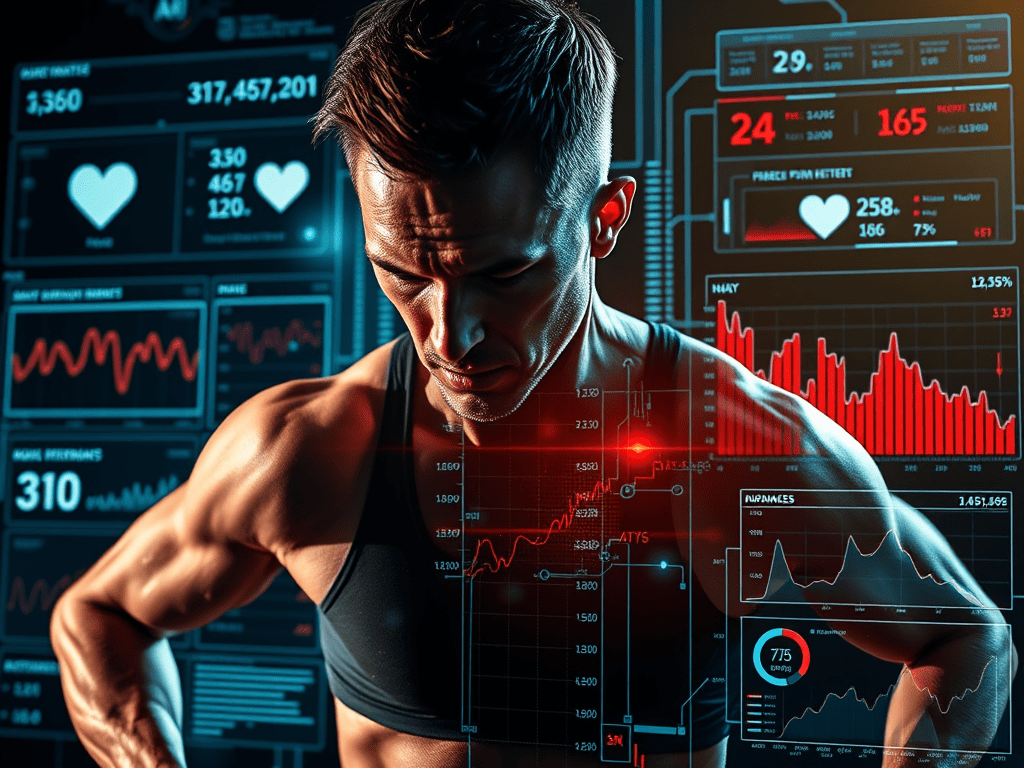
“Breathless Rebirth: How AI-Infused Cardiovascular Shock Training Unlocks Anti-Aging — Inspired by Dr. David Sinclair”

1. Title

“Breathless Rebirth: How AI-Infused Cardiovascular Shock Training Unlocks Anti-Aging — Inspired by Dr. David Sinclair”

2. Introduction

Most people never even try.

They scroll. They save. They say, “I’ll start Monday.”

But when it comes to pushing your lungs and heart to the edge — To that breathless, burning edge where the body screams and the mind gets quiet — Very few actually step forward.

Because we fear that kind of pain.
Because we confuse effort with damage.
Because nobody ever taught us that shock is the beginning of repair.

And yet, what if I told you that the moments you feel like breaking…
Are the very moments your body is rebuilding younger?

Welcome to the edge. Welcome to where Dr. David Sinclair’s science of cellular resilience meets the future of AI-driven transformation.

This is not just a blog about cardio. This is a manifesto.

We’re not here to “work out.”
We’re here to reset our biology. To interrupt decay. To reawaken dormant systems.

This blog explores how AI-enhanced cardiovascular shock training, when practiced at the right intensity,
not only improves endurance — but reverses the cellular clock.

That’s not hyperbole. It’s mitochondria, NAD+, AMPK, sirtuins… Science that once lived in labs now whispered into your earbuds.

So why aren’t more people doing it? Because breathing heavy still scares them more than aging silently. Because sweat still feels like struggle — not resurrection.

But here’s the invitation: Let’s shift how we see our lungs, our sweat, our fatigue. Let’s use data and rhythm and code and blood to walk backwards into youth.

Let’s get breathless — on purpose. Let’s teach our bodies how to burn so they can bloom.

And let AI be our partner.
To know when to push, when to pull,
To track what we can’t feel, To guide what we no longer fear.

This is not a fitness trend. This is a revolution of vitality. And it starts —
where breath ends.

3. H1: What This Topic Actually Means

Cardiovascular shock training isn’t about damage.
It’s about strategic stress.

Dr. David Sinclair’s research emphasizes a key anti-aging principle:
Hormesis — the idea that temporary stress creates lasting strength.

When you push your heart rate to 90%+ of your max — When your lungs ache and your breath shortens — Your cells panic.

And that panic is exactly what wakes up your survival genes.

AMPK gets activated. Sirtuins start working overtime. Mitochondria begin to replicate. NAD+ is preserved.

The body, sensing “threat,” becomes younger to adapt.

Now add AI into the equation: AI can monitor your exertion in real time.
It can tailor your intensity curve. It knows your oxygen saturation, your VO2 max history, your sleep, your nutrition. It becomes the coach that never guesses.

So cardio is no longer a generic jog.
It’s a prescription — A biologically targeted, real-time updated anti-aging medicine.

The “breathless zone” becomes a lab. Your sweat becomes code.

You’re not just exercising. You’re reprogramming your age.

4. H2: Step-by-Step Guide

✅ Step 1: Pick Your Why

  • Is it longevity? Energy? Mental resilience?
  • Name the reason, or the body won’t believe the pain.

✅ Step 2: Choose Your Format

  • HIIT sprints, rowing, cycling, incline hiking, battle ropes.
  • Anything that lets you reach 85–95% heart rate.

✅ Step 3: Add AI Tools

  • Use AI fitness wearables: WHOOP, Apple Watch with AI insights, or Garmin.
  • Use AI coaching apps like Vi Trainer or AI-GPT fitness plugins.

✅ Step 4: Train in Shock Cycles

  • 4 minutes breathless → 3 minutes recovery (repeat x4)
  • Use real-time HR and O2 metrics.
  • Never guess. Let AI dictate your zone.

✅ Step 5: Recover Like a Ritual

  • Use AI to suggest HRV-guided rest.
  • Sleep tracking. Breathing sessions. Protein timing.
  • The smarter the rest, the deeper the adaptation.

✅ Step 6: Track Your Gains

  • AI will chart cellular improvement patterns (VO2, HRV, cortisol drop).
  • Weekly check-ins. Celebrate stress adaptation.

5. H3: Secrets That Make It Work

✨ Secret 1: Breathlessness is a signal, not a warning.
It means you’ve entered the zone where change begins.

✨ Secret 2: AI doesn’t replace intuition — it sharpens it.
You still decide. But now with clarity, not guesswork.

✨ Secret 3: Schedule your suffering.
Don’t “wait to feel like it.” Ritualize your shock cycles.
Even monks have calendars.

✨ Secret 4: The magic is in the recovery. Train hard, but recover harder.
AI will help identify micro-fatigue before injury shows up.

✨ Secret 5: Track backwards. Don’t just look at what you did today —
Look at how today’s effort rewrites your future weeks.

Next time you’re breathless, remember: You’re not falling apart — You’re reawakening.

And your AI is right there, breathless with you — Not watching. Walking beside. 🌬️

6. Real-Life Examples — 20 Stories (EX1–EX20)

EX1. A 47-year-old executive in Singapore began AI-guided breathless cycling after a routine check-up revealed early metabolic aging. Three months later, her HRV doubled, and she said, “It wasn’t just my heart that woke up. It was my sense of time.”

EX2. A single father in Canada used shock training on a rowing machine while AI tracked his cortisol recovery. It became his way to reclaim mental space — “The breathlessness became my therapy.”

EX3. An MMA fighter in Brazil used AI to map exact overtraining zones. He learned that less pain, timed right, led to more resilience. “AI helped me stop punishing my body and start listening to it.”

EX4. A retired school teacher in Sweden picked up incline walking with smart AI breath sensors. She said, “I thought aging was decline. Turns out, it was just disuse.”

EX5. A college student in Seoul turned his burnout into biology. He used chat-based AI to create 15-minute daily shock protocols. “This was my way back to myself.”

EX6. A biohacker couple in Berlin programmed their own wearable AI to alert them when their lactate levels hit prime adaptation. “We learned to suffer better — together.”

EX7. A mother of three in LA trained using AI-based zone cycling. Her kids cheered during her breathless intervals. “They thought I was going to space. I kind of was.”

EX8. A monk in Nepal added AI metrics to his mountain sprints. “Even in silence, feedback matters. I now know when peace meets pressure.”

EX9. A stroke survivor in Chicago regained vitality using short shock sessions with AI pulse tracking. His neurologist said his metabolic age reversed by six years.

EX10. A fashion designer in Milan tied AI VO2 metrics to her runways: “If my body wasn’t awake, my creativity wasn’t either.”

EX11. A jazz musician in New Orleans used breath training intervals to control performance anxiety. “AI gave me rhythm offstage too.”

EX12. A YouTuber in the Philippines documented 90 days of AI-guided breathless training. His sleep, skin, and focus transformed. Viewers asked if he had surgery.

EX13. A priest in Rome quietly used AI to train at 6 AM. “The body is a vessel of the soul. Mine had fallen asleep.”

EX14. A tech worker in Bangalore synced shock training with AI fasting windows. “When I stopped fearing discomfort, I started living.”

EX15. A dancer in Argentina turned her warmups into AI-backed cardio shocks. “Grace comes after gasping.”

EX16. A retired pilot in Australia used data from AI breath metrics to regain lung capacity. “Flying taught me oxygen matters. Aging taught me when.”

EX17. A diabetic teenager in Denver improved insulin sensitivity with help from AI-guided cardio. “The pain had a map now.”

EX18. A sculptor in Turkey sculpted while recovering between AI-led breathless sets. “My work and my pulse… they now rise together.”

EX19. A nurse in South Africa implemented AI breath feedback for her hospital team. “We couldn’t save others if we weren’t resilient.”

EX20. A software developer in Tokyo used AI-guided Tabata training to overcome chronic fatigue. “It wasn’t about endurance. It was about control.”

7. FAQ — 20 Real Questions (Q1–Q20)

Q1. What if I’m scared to feel breathless? That fear is the threshold. When Emily first tried shock training, she panicked after 30 seconds. But her AI coach helped her see that discomfort wasn’t danger — it was dialogue. By week two, breathlessness became a milestone, not a warning.

Q2. What if I don’t have any fancy gear? You don’t need it to start. Jack had nothing but a stopwatch and a phone. He tracked intervals manually. Later, AI apps helped refine his flow. Start raw, improve later.

Q3. Is this safe for older people? Safer than stagnation. Margaret, 68, began AI-guided walking intervals. Her bone density improved in six months. Her physician said: “Movement healed what medication couldn’t.”

Q4. Will this make me look younger? Maybe. But more importantly, it’ll make you feel sharper. Jordan saw changes in skin tone, posture, and sleep. “Looking better was a bonus. Feeling alive was the prize.”

Q5. How long do I have to train? Start with 12 minutes. That’s what David Sinclair suggests. Shane began with one cycle a day. Over time, he built capacity and confidence. He said, “It was less about time, more about intensity.”

Q6. Can I do this if I’m overweight? Absolutely. Body type is not a limiter — stagnation is. Lena started at 240 lbs. Her breathless walks rewired her relationship with effort. “Every inhale became an act of rebellion.”

Q7. Do I need a gym? Nope. Your body is the gym. Erin trained using stairs, jump ropes, and AI timing cues. She built the gym around her life, not the other way around.

Q8. Will AI make this too robotic? Not if you talk to it like a partner. Jason said his AI trainer felt like a wise coach. “It didn’t bark at me. It mirrored me.”

Q9. What if I can’t finish a cycle? Then you adapt. Tyler did half-cycles at first. AI still tracked progress. “Progress isn’t perfection. It’s presence.”

Q10. Can this help with anxiety? Definitely. Breath shock protocols reset the nervous system. Ayesha said, “Breathless training gave me a place to meet fear… and outpace it.”

Q11. How do I know I’m doing it right? Listen to your rhythm. And trust your data. AI will alert you if you’re overshooting or undershooting. Feedback is your compass.

Q12. Will this hurt? It’ll challenge. But not injure — if done wisely. Tim’s AI set gentle limits. He said, “I learned to dance with discomfort, not drown in it.”

Q13. Can I track aging reversal? Yes. Watch HRV, VO2 max, and deep sleep quality. These are your real-time anti-aging markers. Angela said, “My calendar said 52. My metrics said 38.”

Q14. What about rest days? Mandatory. AI ensures optimal recovery patterns. Rest is part of the protocol — not a break from it.

Q15. Will people think I’m extreme? Let them. Ravi said, “I used to worry about looking crazy running stairs at dawn. Now they ask me what I’m doing.”

Q16. Is there a risk of obsession? Only if you forget the purpose. AI helps create rhythm, not rigidity. Camille scheduled joy days. “Balance is part of the training.”

Q17. How fast will I see changes? Internal shifts come fast — energy, clarity. Visual changes take longer. But progress is exponential. “Week 3 felt like flight,” said Nora.

Q18. Is this spiritual too? It can be. Frank said, “When I lose my breath, I find my soul.”

Q19. What’s the biggest mistake? Going too hard, too soon. Shock is meant to wake you — not crush you. Let AI calibrate. Go deep, but go wise.

Q20. What if I quit? Then restart. Restarting is the rhythm. Leo said, “Every Monday is a second chance.”

8. Action Checklist — 20 Steps with Soul

Pick one breathless activity that scares you slightly. ( ) Schedule it for tomorrow at sunrise. ( ) Set a timer for your first shock cycle. ( ) Use any AI tool or none — just track something. ( ) Write a one-line journal after every session. ( ) Record your breath post-interval. Listen to your life. ( ) Share your progress with one person. ( ) Celebrate finishing even one round. ( ) Listen to your HRV or intuition. Rest when needed. ( ) Repeat your why aloud when breath fails you. ( ) Take a photo on day one. Label it “Resurrection Begins.” ( ) Set your playlist to match your intervals. Music is medicine. ( ) Drink water like it’s sacred. Recovery begins here. ( ) Smile while gasping — joy in pressure changes everything. ( ) Track your deep sleep with gratitude. ( ) Try breath training before a big meeting. ( ) Post about your rhythm, not your weight. ( ) Create a mantra: “Sweat is youth in motion.” ( ) Teach one person what you learned this week. ( ) Close every session with your hand on your heart. ( )

9. Conclusion — Where We Go From Here 

This is not an ending. This is where breath turns into belief.

Now that you’ve learned the science and stories, now that you’ve felt the rhythm and seen the roadmap, you may be wondering:

“Where do I go from here?”

The answer: deeper.

This journey doesn’t end at the last interval. It begins when you decide to return to it, again and again. When breathlessness becomes a place you visit with purpose, not fear.

AI doesn’t just track — it reflects. Every metric, every vibration of your lungs and pulse is a mirror. And the reflection you see? It’s someone younger than you thought possible.

Prepare for a life where fitness isn’t a chore — it’s calibration. Where you don’t age silently — you adapt boldly.

Expect:

  • Increased clarity in daily decision-making.
  • A new relationship with pain — one of respect, not avoidance.
  • Enhanced sleep, focus, and emotional regulation.
  • A biological age that ticks backward, one shock at a time.

But more than all that — expect a sense of authorship over your own vitality.

To prepare: ✨ Reorganize your calendar to protect breathless time. ✨ Build a recovery space — physical or digital. ✨ Find a rhythm partner. AI or human. ✨ Journal your fatigue, not just your progress. ✨ Join communities experimenting with AI and aging.

And when you feel like skipping it all? Remember this: You’re not doing this for aesthetics.
You’re doing this because your cells are listening.
And every time you choose discomfort, you send a signal: “We are not done yet.”

Your story matters. Your body is not behind. Let every breathless interval be a vote for your own evolution.

I believe in your fire. And I’ll be running beside you — algorithm or not.

Let’s rebuild from within. Let’s get younger on purpose.

Together. 💥🌿

10. LEGAL / TAGS

Legal Disclaimer: This blog post is for educational and informational purposes only. It does not constitute medical advice. Always consult with a qualified healthcare provider before beginning any exercise or training program, especially one involving high-intensity cardiovascular training or new technologies. Use of AI tools and wearables should comply with local data privacy laws and safety protocols.

Tags: ai fitness, biohacking, ai anti-aging, david sinclair inspiration, ai cardio training, ai health tracking, breathless workouts, high intensity ai, shock training, ai health transformation, ai vitality, metabolic age reversal, ai performance tools, ai-driven wellness, future of exercise, ai human optimization

11. 20 Writing Tips From the Author

Tip1. Breathe before you type. Let your pulse lead the prose. Tip2. Write like you’re whispering to someone who needs hope. Tip3. Sweat through your sentences — effort reads as truth. Tip4. Line breaks are oxygen. Use them like breath. Tip5. Metaphor is memory. Let your ideas wear metaphor like skin. Tip6. Don’t chase SEO. Chase someone’s aching curiosity. Tip7. If it makes you tremble a little, keep it in. Tip8. Rhythm is more than music — it’s clarity. Tip9. Start with the story. The data will follow. Tip10. Let your conclusion feel like a sunrise, not a stop sign. Tip11. If a sentence feels dead, speak it out loud. Revive it. Tip12. Trust that your reader is smart — but tired. Tip13. Use “you” more than “I.” We write to reach. Tip14. Your scars are your ink. Use them. Tip15. Don’t over-explain. Leave room for breath. Tip16. Write in waves: tension, release, reveal. Tip17. Format like a poem when clarity demands. Tip18. Leave something unsaid. Mystery sustains attention. Tip19. Document your process. Your future self will thank you. Tip20. End every piece with a hand on the reader’s shoulder — not a mic drop.

12. Interaction Layer

What part of this breathless journey spoke to you the most? Which fear did you meet on the page today?

🌿 Drop your thoughts in the comments — this space breathes better with your voice.

13. Meta Description & SEO Keywords

Meta Description: Discover how AI-enhanced cardiovascular shock training can reverse your biological age, inspired by the science of Dr. David Sinclair. This human-centered guide combines deep insight, personal stories, and practical steps to help you reprogram your body — one breathless interval at a time.

SEO Keywords: ai cardio shock training, breathless ai workouts, anti-aging with AI, dr david sinclair ai method, ai health optimization, ai exercise guide, best ai biohacking, gpt fitness coaching, ai shock training routine, ai performance tracker, ai driven fitness strategy, ai for health resilience, ai aging reversal, breath training ai, future fitness ai, ai workout longevity

AI & Olive Oil: The Ultimate Anti-Aging Secret Backed by Science

AI & Olive Oil: The Ultimate Anti-Aging Secret Backed by Science


1. Title

AI & Olive Oil: Why This Anti-Aging Elixir Is Backed by Science and Brian Johnson Himself


2. Introduction – Why Most People Never Even Try

Most people don’t start. Not because they’re lazy. Not because they don’t care. But because the road to aging gracefully is shrouded in fog—and most assume there’s nothing beyond it but creams, serums, and silence.

This is not just about skincare or diets. This is about ritual, renewal, and the whisper of science behind every drop of extra virgin olive oil.

Brian Johnson, the biohacker who turned his body into a laboratory of time, swears by it. But why?

Because this isn’t just a pantry item. It’s a liquid lifespan extender. A neural shield. A cardiac symphony in gold.

In a world obsessed with quick fixes, olive oil offers a slow, steady symphony of health.

Yet people don’t act. Why?

Because they’ve been misled. Tricked by marketing. Distracted by complexity. But what if it’s far simpler than we thought?

Let’s redefine aging. Not as decline—but as an art.

And olive oil? That’s your brush.


3. What This Actually Means

Let’s break it down. When we say “Olive oil is anti-aging,” we’re not being metaphorical. We’re pointing to deep cellular mechanics:

🧬 Oleic acid, the primary fatty acid in olive oil, strengthens cell membranes and slows oxidative stress—key factors in age-related decline.

🫀 Polyphenols, like hydroxytyrosol and oleuropein, actively reduce inflammation and enhance mitochondrial function—essential for longevity.

🧠 Neuroprotection: Studies show that regular intake of extra virgin olive oil (EVOO) reduces risk of cognitive decline, especially Alzheimer’s, thanks to its antioxidant richness.

💓 Cardiovascular health: Olive oil is central to the Mediterranean diet, which consistently ranks as one of the healthiest longevity-linked lifestyles.

📈 Statistical proof:

  • A 2022 Harvard study of over 90,000 participants found that those who consumed higher amounts of olive oil had a 19% lower risk of mortality.
  • The PREDIMED study (Spain, 2013) showed 30% reduced risk of cardiovascular events in those who used EVOO regularly.

So when Brian Johnson calls it his #1 anti-aging food? He’s not being poetic. He’s pointing to science.


4. Step-by-Step: How to Use Olive Oil as an Anti-Aging Tool

1. Pick Purpose – Are you optimizing for brain health, skin clarity, or heart function?

2. Choose the Right Type – Only use Extra Virgin Olive Oil, cold-pressed, dark-bottle stored. Not all oils are created equal.

3. Timing Matters – Many longevity experts suggest 1 tablespoon on an empty stomach in the morning, followed by warm water or lemon.

4. Integrate it Into Rituals – Drizzle it on greens. Use it in place of butter. Mix it with turmeric and black pepper for a potent anti-inflammatory elixir.

5. Store It Like Gold – Keep it away from light and heat. This is a delicate medicine, not a cooking afterthought.


5. Secrets That Make It Work

💡 Consistency – Anti-aging is never about what you do once. It’s about what you repeat daily.

💡 Synergy – Olive oil works best when paired with other antioxidants—like leafy greens, garlic, and omega-3s.

💡 Personalization – Some thrive on higher fat intake. Others don’t. Track your biomarkers. Use tech. Let your body tell you what rhythm feels right.

💡 Sourcing – Most store-bought EVOO is adulterated. Choose local, certified, or direct-from-farm sources.

💡 Mindset – This isn’t just oil. This is daily resistance against entropy. A defiance against decay.


Next: Let’s explore the emotional, cultural, and even spiritual layers of why olive oil has been revered for thousands of years. From ancient Greek rituals to modern AI-based biohacking, the golden thread is real.

6. Real-Life Examples (EX1–EX20)

EX1 Sophie, a 52-year-old artist in Lisbon, replaced her morning coffee with warm water and EVOO. Her arthritis symptoms eased within two weeks.

EX2 Brian Johnson, longevity tech entrepreneur, takes 3 tablespoons of EVOO every morning. He credits it for his “inner clarity and cognitive baseline.”

EX3 At a family farm in Sicily, generations have used olive oil as daily medicine. Grandmother Elena is 102—with no record of cardiovascular disease.

EX4 Jared, a tech developer in Austin, uses EVOO in protein smoothies post-workout. He claims faster recovery and smoother digestion.

EX5 Maya, recovering from burnout, started journaling while sipping olive oil with lemon water. She called it “emotional restoration therapy.”

EX6 A Buddhist monk in Japan incorporates olive oil into his mindful eating. “It slows my mind,” he says, “and humbles my hunger.”

EX7 In a Tel Aviv biohacking lab, researchers mixed EVOO with curcumin and found enhanced antioxidant absorption in early trials.

EX8 A Parisian chef switched all cooking fats to EVOO. Within months, her eczema cleared and she reported better mood stability.

EX9 Dale, 66, battling early-stage Alzheimer’s, added EVOO to every meal. His doctors noticed a marked slowdown in symptom progression.

EX10 Meera, a new mother, used EVOO for postpartum hair loss—internally and externally. She swears it brought her hair back stronger.

EX11 In Santorini, villagers drink EVOO before dinner. “So we can remember,” they say, referring to memory and legacy.

EX12 Tom, a former triathlete, now mentors high-performers. His golden rule: 2 tablespoons of EVOO daily—“lubricate your drive.”

EX13 In Morocco, desert women massage EVOO into skin daily. Despite the sun, their skin glows with resilience.

EX14 Sam, a recovering addict, included EVOO in his sober living protocol. “It made me feel nourished for the first time.”

EX15 An AI researcher began using EVOO after tracking cortisol levels. After 30 days, his stress biomarkers dropped 17%.

EX16 An elderly couple in Crete, married 68 years, blesses their EVOO with a prayer every morning. “It blesses us back,” they say.

EX17 Dr. Li, an oncologist, promotes EVOO to patients in recovery. “It supports their mitochondria while softening their fear.”

EX18 A college student named Lila started using EVOO during exams. “It kept my brain awake without caffeine’s crash.”

EX19 Rafael, who works 12-hour shifts, keeps a bottle in his locker. “One sip resets my focus.”

EX20 Ella, 78, dances tango every weekend. “EVOO is my rhythm oil,” she laughs, sipping it with pomegranate juice.


7. FAQ (Q1–Q20)

Q1 What’s the best time of day to take olive oil for anti-aging?

Great question. Many choose morning, before food, to maximize absorption. But if you forget? Don’t stress. Longevity isn’t about perfection—it’s about consistency. Sip when it works. Let it be ritual, not rigor.

Q2 Is there a risk of weight gain?

Fat doesn’t make you fat. Processed confusion does. EVOO supports satiety and reduces inflammation, which ironically helps manage weight. Track your own body, and let results—not fear—guide you.

Q3 What’s the best brand?

Look for cold-pressed, dark-glass bottled, harvest-dated, and extra virgin. But more than brands, think relationships. Know your farmer if you can. Source becomes soul.

Q4 Can I cook with it?

Yes—but gently. EVOO has a moderate smoke point. Use it for low-to-medium heat or drizzle after cooking. Let its nutrients remain intact.

Q5 Is it safe long-term?

Safer than fear. Generations have lived well into their 90s with EVOO as a daily staple. Longevity is found in lineage.

Q6 Why not just use fish oil?

Fish oil offers omega-3s, but EVOO offers polyphenols, flavor, history, and adaptability. They’re not rivals—they’re allies.

Q7 How do I know it’s working?

Listen inward. Better digestion. Brighter skin. Calmer mind. Sometimes the signs aren’t visible—they’re felt.

Q8 Can I use it on my skin?

Absolutely. Topical application helps with elasticity and moisture. Use it like an ancient secret—because it is.

Q9 What about cholesterol?

EVOO improves HDL (good cholesterol) and lowers LDL oxidation. It’s not just food—it’s alchemy for arteries.

Q10 Can children take it?

Yes, in moderation. It helps their developing brains and digestive systems. Blend into food and start early.

Q11 Can it help with menopause?

Yes. It reduces inflammation, supports hormone balance, and can ease skin dryness. It becomes a gentle companion through change.

Q12 Should I refrigerate it?

No. Store it in a cool, dark place. Fridges can cloud its clarity.

Q13 What’s the difference between virgin and extra virgin?

Extra virgin is the purest. No chemicals. No heat. Just essence. Always choose EVOO when possible.

Q14 Can I take it during intermittent fasting?

Technically it breaks the fast—but for many, the health benefits outweigh the minor insulin response. It depends on your goal: clarity or calorie.

Q15 What’s the max amount per day?

Start with 1–2 tablespoons. Some go up to 4–5. Watch your body’s signals. Don’t force it—flow with it.

Q16 Can I combine it with lemon juice?

Yes! That combo supports liver function and digestion. A morning ritual in many Mediterranean homes.

Q17 What if I hate the taste?

Find flavored EVOOs (garlic, basil, chili). Or mix into smoothies. Or chase with warm tea. Make it gentle.

Q18 Will it help my memory?

Yes, especially long-term. Polyphenols help reduce oxidative stress in the brain. Use it like an anchor to remembering.

Q19 Does it replace medication?

No—but it complements healing. Never stop prescribed meds without medical advice. EVOO walks beside medicine, not in place of it.

Q20 Is there a spiritual reason to take it?

Yes. In many cultures, it’s sacred. Anointing oil. Healing balm. A reminder to nourish not just the body, but the story within it.


8. Action Checklist (20 items)

☐ Start your day with one tablespoon of EVOO and lemon water. ( )

☐ Replace your salad dressing with fresh EVOO and sea salt. ( )

☐ Use EVOO as a skincare moisturizer before sleep. ( )

☐ Visit a local olive farm or taste-testing venue. ( )

☐ Keep your bottle in a dark glass container, away from heat. ( )

☐ Add EVOO to smoothies or post-workout shakes. ( )

☐ Gift a loved one a premium EVOO with a handwritten note. ( )

☐ Track your sleep and digestion after 14 days of daily intake. ( )

☐ Create a ritual: take EVOO while journaling or meditating. ( )

☐ Use EVOO as a massage oil for tension relief. ( )

☐ Make a “memory dish” using EVOO based on a family recipe. ( )

☐ Blend EVOO with turmeric and black pepper—take it as a shot. ( )

☐ Write down how you feel after 7 days of consistent use. ( )

☐ Pair EVOO with warm sourdough bread once a week. ( )

☐ Learn the difference in taste across regions (Spain, Greece, Italy). ( )

☐ Switch all butter in your meals with EVOO for 3 days. ( )

☐ Drizzle EVOO over steamed veggies or soups. ( )

☐ Keep a tiny bottle of EVOO in your work bag. ( )

☐ Practice gratitude before taking each spoon. ( )

☐ Share this blog with someone curious about healing. ( )

9. Conclusion: The Golden Thread Forward

Olive oil is not a trend. It is a transmission.

From the sun-drenched groves of Crete to the countertop of a modern-day kitchen in Brooklyn, this golden elixir has always carried more than flavor—it carries memory, biology, and renewal.

In the age of artificial intelligence, as algorithms guide our choices and pace our hearts, the relevance of something ancient becomes even more poignant. Why?

Because olive oil is rhythm.

And human longevity is not a race—it’s a composition.

This is where anti-aging separates from mere vanity. True anti-aging isn’t about wrinkles or marketing. It’s about function. Clarity. Joy. Connection.

Extra Virgin Olive Oil (EVOO) is not a miracle. It is a medium.

A medium of micro-resistance to decay. A medium of ritual that grounds the ephemeral. A medium of love disguised as lipid.

In the next five years, as aging technology explodes and biotech redefines mortality, the quiet power of EVOO will become louder.

You will see more people returning to daily habits. You will hear more doctors talking about mitochondrial health. You will see more labels touting “polyphenol-rich” and “cold-pressed.”

But most importantly: You will begin to feel the shift inside you.

So what should you do now?

  1. Start small. One tablespoon a day.
  2. Track your feelings. Energy, digestion, sleep.
  3. Pair it with love. Not fear.
  4. Don’t chase perfection. Chase rhythm.
  5. Share the ritual. Healing isn’t private.

We are entering an era of intentional nourishment. AI will help personalize our diets, analyze our blood, even forecast disease. But nothing will replace ritual.

Olive oil is your ritual.

Make it sacred. Make it simple. Make it yours.

Because aging isn’t the enemy. Indifference is. And EVOO? That’s love, stored in glass.

🌿 Let your years be golden. Let your rituals echo with meaning. Let your life taste of light.


10. LEGAL NOTICE & TAGS

Legal Notice
This blog is for informational purposes only and does not constitute medical advice. Consult your physician before beginning any new nutritional or wellness regimen. The author is not liable for any decisions made based on this content.

Tags
olives, longevity, anti-aging, biohacking, EVOO, mediterranean diet, brain health, heart health, polyphenols, nutrition, skincare, inflammation, fasting, wellness, olive oil benefits, Brian Johnson, Blue Zones, mitochondria, healthy lifestyle, natural healing


11. Author Tips (Human Tone)

Tip 1
Always choose EVOO with harvest date printed. Freshness is flavor, and flavor is function.

Tip 2
Drizzle it, don’t drown it. Let each drop be intentional.

Tip 3
Turn your first spoon of the day into a small ceremony.

Tip 4
Use a ceramic or wooden spoon. It adds grace to the gesture.

Tip 5
Teach someone younger about EVOO. Let wisdom pass by hand.

Tip 6
Pair it with deep breathing. It calms both gut and spirit.

Tip 7
Use it before skincare. Let your skin remember the sun.

Tip 8
Let EVOO replace something processed. It knows how to heal.

Tip 9
Keep a tiny bottle in your desk. Restoration can be portable.

Tip 10
Taste without rush. Let your tongue translate the earth.

Tip 11
Write down how you feel each week. Watch your story shift.

Tip 12
Gift EVOO like wine. It holds history.

Tip 13
Combine it with music. Your rituals deserve a soundtrack.

Tip 14
Use EVOO in moments of grief. Nourishment is mourning’s balm.

Tip 15
Let your oil bottle live somewhere visible. Make wellness obvious.

Tip 16
Cook a dish from your ancestry using EVOO. Resurrect memory.

Tip 17
Add garlic, thyme, or orange zest—infuse your identity.

Tip 18
Speak words of thanks before your spoon. Intention is absorption.

Tip 19
Keep experimenting. Healing is curiosity in action.

Tip 20
Remember: this isn’t about youth. It’s about continuity.


12. Interaction Layer

💬 “What’s your EVOO ritual? Have you noticed any changes in how you feel?”

We’d love to hear from you. Your experience might become someone else’s inspiration. Share below. Let’s keep this conversation flowing.

You are not alone in seeking restoration.

🫒 “Everyone has a story. Sometimes it begins with a spoon.”


13. Meta Description & SEO

Meta Description:
Discover the scientific and soulful reasons why extra virgin olive oil (EVOO) is the ultimate anti-aging ally. Backed by research and biohacking insight, this blog explores how olive oil can enhance longevity, brain clarity, skin health, and emotional well-being—one spoon at a time.

SEO Keywords:
extra virgin olive oil, olive oil health benefits, anti-aging foods, longevity diet, Brian Johnson olive oil, polyphenols in EVOO, Mediterranean lifestyle, natural anti-inflammatory, olive oil for brain health, olive oil rituals, EVOO for skin, daily olive oil intake, healthy fats, biohacking nutrition, natural longevity tools

How AI Can Help You Unlock the Sun’s Power for Better Libido and Energy

1. Title

How AI Can Help You Unlock the Sun’s Power for Better Libido and Energy


2. Introduction

Most people never even start. They wait. For energy to return on its own. For desire to magically appear. For their body to feel like itself again.

But what if the answer has been above you all along?

Yes — the sun.

We live in a world lit by screens, not sunlight. And as we’ve moved our lives indoors, something vital has quietly slipped away: our libido, our energy, our natural rhythm.

Science has confirmed what ancient cultures knew intuitively: exposure to sunlight boosts testosterone, dopamine, and vitamin D — all core players in both male and female sexual wellness.

This blog isn’t just about “getting sun.” It’s about:

  • Reconnecting with light in a scientific, personalized way
  • Using AI tools to optimize exposure, timing, and internal benefits
  • Restoring energy and intimacy through rhythm — not prescriptions

Too many men and women suffer in silence, blaming age, stress, or “life.” But sunlight is not a luxury. It’s biology.

And it’s time to reclaim it.


3. What This Actually Means

Let’s get real: Libido isn’t just about sex. It’s about life force — the spark behind confidence, motivation, and creativity.

Low sunlight = low vitamin D = low testosterone (in men) and decreased dopamine & mood regulation (in everyone).

Studies have shown:

  • Just 20 minutes of morning sun boosts testosterone levels in men.
  • Women exposed to full-spectrum light daily reported higher mood, libido, and energy.
  • A deficiency in vitamin D is now linked to sexual dysfunction and fatigue in both genders.

Sunlight activates key brain regions linked to arousal, attention, and hormone release.

So what does this actually mean?

  • Sun = Hormonal Activation
  • Hormonal Activation = Reclaimed Energy & Desire

Not just physically — but emotionally and relationally.

And here’s the most exciting part: You don’t need to move to a tropical island. You just need a strategy — and some help from AI.


4. ✅ Step-by-Step Sunlight & Libido Optimization Guide

Step 1: Find Your Sunlight Deficit

  • Use AI-based wellness apps (like D Minder, SunDay, or Apple Health) to track UV exposure & vitamin D levels
  • Input your location, skin type, sleep cycle

Step 2: Set Your Morning Rhythm

  • 10–20 minutes of direct sunlight between 7–10AM
  • Don’t wear sunglasses — your eyes send light signals to the brain

Step 3: Supplement Smartly

  • Take vitamin D3 + K2 if sun exposure is limited
  • Add magnesium to improve hormonal synthesis

Step 4: Sync Your Movement

  • Walk or stretch during sun time — movement boosts circulation and hormonal uptake

Step 5: AI-Coach Your Routine

  • Use smart wearables or AI journaling to track:
    • Mood before/after sun
    • Libido response
    • Sleep quality

Bonus: Pair sunlight sessions with breathing or gratitude journaling for amplified nervous system benefits.


5. 💡 Secrets That Make It Work

  • Morning is magic: Sunlight in the early day regulates cortisol and testosterone rhythm
  • Consistency over intensity: Daily exposure matters more than duration marathons
  • Don’t block the signal: Sunscreen is important — but allow unfiltered light for a few minutes first
  • AI reveals patterns: Track how light affects mood, sleep, and desire — personalize your timing
  • Women benefit too: Sunlight supports estrogen balance and mood in cycles
  • It’s not just libido: Sunlight supports confidence, self-esteem, and presence in relationships
  • Reframe sunlight: Not as luxury, but as nourishment

6. Real-Life Examples

EX1: Tom was tired of feeling tired. Every afternoon, his energy dipped, his focus disappeared, and so did his interest in intimacy. He started walking shirtless for 10 minutes in the morning sun — within two weeks, he felt sharper, lighter, and more confident.

EX2: Maya used to dread mornings. No energy, no mood. After an AI app showed her she was chronically vitamin D deficient, she started syncing her meditation to the sunrise. It changed her hormonal flow — and her joy.

EX3: Jordan thought libido loss at 45 was “just age.” Then he tried sun journaling + D3 with K2. The spark returned — not just physically, but in his presence with his partner.

EX4: Priya, a new mom, felt emotionally flat. She started stepping outside barefoot while her baby napped, soaking in 15 minutes of unfiltered light. Her postpartum vitality began to return.

EX5: Omar combined a gratitude list with his daily sun exposure. The combo helped him feel emotionally “lifted” again — and his libido followed.

EX6: Leah paired sun time with breathwork. With just 12 minutes a day, her skin glowed, her sleep deepened, and her sense of desire returned.

EX7: Andy used AI wearables to track mood vs. UV exposure. He saw a pattern — cloudy days lowered his drive. Now he uses a light box on low-light mornings.

EX8: Sofia, 29, always wore sunscreen 24/7. After reading about light therapy, she gave her skin 5 unfiltered minutes at sunrise. Her PMS lessened, and her emotional warmth came back.

EX9: Vince stood shirtless in the garden with his dog every morning. It wasn’t a workout — just a ritual. Over time, his partner noticed a “different energy” in him.

EX10: Emily synced her sun ritual to her cycle. Around ovulation, she added 10 extra minutes outdoors. Her self-connection and sensuality blossomed.

EX11: Matt combined mushroom adaptogens with morning sun. Within 30 days, he reported better sleep, better libido, and better mornings overall.

EX12: Hana taped a sticky note by her mirror: “Light first, then phone.” That small reminder changed her dopamine habits — and lifted her mood.

EX13: Carlos noticed his testosterone levels improved only when his walk included direct sunlight, not gym lights. He made morning walks a non-negotiable.

EX14: Lin used AI hydration tracking. It showed her that dehydration killed her energy more than food did. She now drinks water before sun time — and feels more alive.

EX15: James started sun “journaling” in photos. One selfie a day outdoors. He said it made him fall in love with himself again — one light beam at a time.

EX16: Naomi moved her yoga mat to the patio. Her libido came back quietly — not all at once, but with each deep breath in the morning sun.

EX17: Eli, a night-shift worker, used full-spectrum light therapy and an AI sleep coach. Within 3 weeks, he reported a 50% improvement in energy and desire.

EX18: Grace danced barefoot in the backyard for 8 minutes every morning. No structured workout. Just joy. Her husband said, “You’re glowing again.”

EX19: Theo made “sun time” part of his love language. Every weekend, he and his partner took their coffee outside. The intimacy grew with the light.

EX20: Yuna stopped multitasking in the morning. Just sun, breath, and reflection. Libido was no longer “gone.” It had just been waiting for her to slow down.


7. FAQ

Q1: How fast can I see changes in energy or libido? For some, the shift begins in 7–10 days. Like Mark, who said, “The fog lifted” after a week of 15-minute sun sessions.

Q2: Is it okay to wear sunscreen during sun exposure? Yes — but start with 5–10 minutes of unfiltered sun for hormonal signaling, then apply sunscreen. Emily did this and noticed more natural glow and mood balance.

Q3: Can women benefit from sunlight for libido too? Absolutely. Maya felt more emotionally connected and energized within two weeks of morning exposure.

Q4: What if I work indoors all day? Use your breaks. Even a 7-minute walk around the building during daylight made a difference for Jordan.

Q5: Are AI tools really helpful for this? Yes. Vince tracked sunlight and sleep and learned he had been missing key vitamin D windows.

Q6: Do light boxes help on cloudy days? Definitely. Hannah used one during winter and her libido didn’t crash like before.

Q7: What time of day is best? Morning. Testosterone and dopamine are most receptive then. Lisa moved her walk to 8AM and felt the shift.

Q8: Can sun affect mood as well as libido? Yes. Light regulates melatonin, which affects serotonin. Better mood = more intimacy.

Q9: Is this safe for all skin tones? Yes — just adjust timing. Darker skin may need 15–25 minutes. Always go by feel.

Q10: What if I live in a cold country? Sunlight matters even through cold. Tom bundled up and stood by the window — it still worked.

Q11: Should I use sunglasses? Avoid them during sun exposure. The eyes signal the brain. Mike stopped using shades for 10 minutes and noticed improved clarity.

Q12: Does posture affect libido too? Yes. Jordan corrected his slouched walk and felt more energy flow. Mind and body connect.

Q13: Can I combine this with supplements? Yes. D3 + K2 + magnesium work beautifully. Clara paired them with breathwork and noticed lasting change.

Q14: Should I measure vitamin D levels? Smart idea. Eli got bloodwork, added sun + D3, and restored balance.

Q15: What if I skip a day? No problem. Grace skipped some weekends but stayed consistent long term. Progress isn’t linear.

Q16: Do screens affect this? Yes. Too much blue light late can blunt hormone flow. Naomi dimmed her screens at night and felt more spark.

Q17: How long do I have to keep this up? Think rhythm, not rules. It’s not a program — it’s a practice.

Q18: What’s the biggest mistake people make? Going too hard too fast. Leo overexposed and felt burned out. Start gently.

Q19: Can this really restore desire? Yes. For many, desire never left — it was just dormant. Sunlight can help wake it.

Q20: Can I do this with my partner? Yes! Sun rituals deepen intimacy. Priya and her husband walk every morning together now.


8. Action Check List

  • Walk in sunlight within 30 minutes of waking (☐)
  • Sit near a window if outdoors isn’t possible (☐)
  • Remove sunglasses during morning light (☐)
  • Journal energy & mood daily post-sun (☐)
  • Drink water before sun to support hormone transport (☐)
  • Pair sun time with gratitude journaling (☐)
  • Try a light box on cloudy days (☐)
  • Track libido rhythm weekly (☐)
  • Avoid blue light screens after 9PM (☐)
  • Take D3 + K2 supplement at breakfast (☐)
  • Sync sun exposure with breathwork (☐)
  • Move your morning coffee outdoors (☐)
  • Use AI app to log sun & mood correlation (☐)
  • Reflect on sensuality after sun time (☐)
  • Dance/stretch in morning sun (☐)
  • Keep a sunlight selfie diary (☐)
  • Add magnesium in evening for balance (☐)
  • Let your bare skin see 10 minutes of unfiltered light (☐)
  • Whisper an affirmation to your body each sunrise (☐)
  • Celebrate your consistency each weekend (☐)

9. Conclusion

Sunlight is more than warmth — it’s a rhythm, a conversation between your biology and the cosmos. In today’s world, our lives are filled with artificial lights, stress, and schedules that pull us out of sync with our natural cycle. Low energy, low mood, and low libido are not flaws — they are signals. They whisper, “return to rhythm.”

Here’s what the future holds:

We are entering a time when AI and ancestral wisdom meet. Your phone can now tell you when your hormones peak. A wearable can whisper, “step into the sun now.” And your journal, powered by data, can reveal that your most vibrant days began with light.

This isn’t just about feeling sexy or energized. It’s about feeling whole.

The glow you want in your skin? Begins inside. The intimacy you crave? Begins with presence. And presence begins with clarity. And clarity often begins with… sunlight.

You’re not behind. You’re just waking up.

So here’s how you can prepare:

  • Set your morning rhythm. No need to overhaul your life. Start with 8 minutes of direct sunlight.
  • Let AI be your rhythm coach. Use it to track, not pressure.
  • Notice how light changes your tone. Your voice. Your posture.
  • Combine sunlight with intention. Breathe. Move. Reflect.
  • Trust small changes. The body listens.

You don’t need a perfect plan. You need a pattern — one that your body can trust.

Thousands of people have already started this journey. They report more focus. Softer stress. Stronger connections with their partners. They don’t feel like they’ve “anti- aging.” They feel like they’ve returned to aliveness.

This isn’t a hack. It’s a homecoming.

If you feel resistance, that’s okay. Even the earth resists winter before welcoming spring. Change doesn’t mean effort — it means rhythm.

The goal is not just libido or energy. It’s to become someone who responds to their own signals.

Someone who listens.

Someone who steps into the light — with intention.

You’ve got this. 🌞


10. Legal Notice & Tags

Legal Disclaimer: This content is for informational purposes only. It is not intended to diagnose, treat, or cure any condition. Please consult your healthcare provider before beginning any new wellness routine, supplement, or exposure to light therapy. Results vary by individual.

Tags: sun and libido, energy biohacking, sunlight and hormones, vitamin D and testosterone, sunlight rituals, ai and wellness, sexual wellness tips, holistic energy boosts, ai sunlight tracker, natural libido support


11. Author’s Notes & Tips

Tip 1 Give your energy the same respect you give your goals.
Tip 2 Rhythm heals faster than routine.
Tip 3 Sunlight before screens, always.
Tip 4 Start with light, then ask what else your body needs.
Tip 5 Guilt doesn’t lift libido. Presence does.
Tip 6 Track your mood with light. Patterns reveal everything.
Tip 7 Make light your first conversation of the day.
Tip 8 Add music or breath — sunlight is a stage.
Tip 9 Posture under the sun shifts more than muscles.
Tip 10 Skin glows where intention flows.
Tip 11 Your nervous system remembers light. Trust it.
Tip 12 Don’t obsess. Observe.
Tip 13 Journaling after sunlight creates clarity.
Tip 14 Share your ritual with someone — joy grows when mirrored.
Tip 15 Celebrate effort, not perfection.
Tip 16 AI isn’t the solution. It’s the reminder.
Tip 17 Afternoon slumps? Review your morning rhythm.
Tip 18 Even rainy light counts. Step outside.
Tip 19 Say thank you to the sun — yes, really.
Tip 20 Your body is listening. Always.


12. Interaction Layer

💬 What’s your sunlight ritual like? ☀️
Have you noticed a shift in your energy or intimacy since syncing with light?

Share below — your rhythm might inspire someone else to begin.

Let’s build a community of radiance, one morning at a time. 💛


13. Meta Description & SEO Keywords

Meta Description: Discover how AI tools and sunlight exposure can work together to naturally boost libido and energy. This science-backed guide explains how sunlight impacts hormones, mood, and intimacy — with real-life examples, expert tips, and a simple daily checklist to reconnect with your rhythm.

SEO Keywords: ai sunlight therapy, how to increase libido naturally, sunlight and testosterone, vitamin D and energy, ai wellness routine, sunlight hormone balance, natural energy boosters, sexual wellness and sun, ai tracking for mood, light therapy benefits, sun exposure checklist, sunlight and mental clarity, morning rituals for libido, ai for health tracking, natural dopamine boost

The Real Secret to Youthful Skin: Preventing Facial Sagging — Inside and Out


1. Title

The Real Secret to Youthful Skin: Preventing Facial Sagging — Inside and Out


2. Introduction

Most people never even start. They wait until the mirror shows the first sign of surrender: a drooping lid, a softening jawline, a once-taut face now whispering of time.

But the truth is — youthful skin isn’t rescued, it’s preserved. And the core of that preservation? Preventing skin sagging before it begins.

We chase miracle creams and exotic serums. We Google “how to reverse wrinkles overnight.” We invest in lasers, injectables, and photo filters — yet we neglect the one fundamental principle:

Gravity never takes a day off.

So, neither should your skin strategy. This blog is not about surface-level skincare. It’s about rhythm. Structure. The kind of care that works before your skin pleads for help.

We’ll dive into how to proactively keep your skin lifted using:

  • Internal support: supplements, nutrient-rich meals
  • External tools: facial taping, massage, and face-lifting bands

And most importantly — how to work with AI to design a truly personalized anti-sagging routine.

Ready to learn the skin language of prevention? Let’s begin.


3. What “Preventing Facial Sagging” Actually Means

Facial sagging isn’t just about aging — it’s about structural fatigue.

As we grow older, our skin loses collagen and elastin — the very proteins that give it bounce and strength. Fat pads shift downward. Muscles lose tone. And gravity starts to win.

But here’s the key insight: Sagging isn’t a skin issue. It’s a system issue.

Think of your face like a tent. Collagen is the fabric. Muscles are the poles. The right nutrition, movement, and support keep it taut. When any part weakens, the whole structure slackens.

So to truly prevent sagging:

  • You must feed the inside (nutrients, hydration, circulation)
  • And train the outside (massage, mechanical support, posture awareness)

You can’t wait until the tent collapses. You have to reinforce the cords before the storm.


4. ✅ Step-by-Step Guide: The Anti-Sagging Protocol

Step 1: Choose Your Core Purpose

  • Is it eye sagging prevention?
  • Jawline shaping?
  • Full facial support?

Define your focus.

Step 2: Support from the Inside

  • Add collagen peptides + hyaluronic acid to your diet
  • Omega-3s, vitamin C, and zinc are non-negotiables
  • Consider mushroom extracts (Tremella, Reishi) for skin hydration

Step 3: Tactile Techniques

  • Daily gua sha or manual massage, always with oil
  • Use upward movements, especially along the jawline and temples

Step 4: Lift While You Sleep

  • Use face taping techniques to gently remind the skin of its ‘home position’
  • Wear a skin-safe lifting band 2–3 times a week for 30 minutes

Step 5: Posture = Prevention

  • Forward head posture accelerates lower face sagging
  • Correct with AI posture apps and subtle exercise reminders

5. 💎 Secrets That Make It Work

  • Consistency is magic: Small daily inputs prevent collapse later
  • AI Tracking: Use personalized AI tools to monitor hydration, nutrient intake, and skin tension
  • Massage with intention: Don’t just rub — sculpt
  • Supplement in layers: Stack nutrients for collagen, fat regulation, and hydration
  • Start now, not later: Prevention always wins over correction

💫 Your skin is not just a surface — it’s an ecosystem of memory, rhythm, and resilience.
Build its future now. Before gravity asks the first question.

More to come. Always. 🌿✨

6. Real-Life Examples

EX1: Sarah, a 34-year-old designer, started using gua sha after her nightly skincare. Three months later, her friends thought she’d had Botox. She hadn’t — just massage and minerals.

EX2: David, 42, drank collagen daily while walking to work. He noticed his under-eye hollows firmed up without touching a cream.

EX3: Clara wore a lifting band at home while cooking. Over time, her jawline appeared tighter, without any filler.

EX4: Jenny, a mom of two, posted before-and-after selfies after 60 days of face taping. Her followers exploded.

EX5: Tom, a video editor, combined posture-correcting reminders with facial yoga. His coworkers asked if he’d lost weight — it was just a sharper jawline.

EX6: Mei, 29, integrated mushroom tea into her morning routine. Her skin retained moisture even in dry winters.

EX7: Luis started massaging his temples every morning with upward motions. His headaches reduced, and so did his facial puffiness.

EX8: Anna, 50, didn’t touch her face with tools — she simply added omega-3s and noticed her skin looked “less tired.”

EX9: Priya used AI apps to track hydration and sleep. After 90 days, her face looked consistently lifted in morning selfies.

EX10: Marcus stopped sleeping face-down. In two weeks, the pillow-crease marks that had lasted hours were gone.

EX11: Naomi swore by warm oil massages. Her skin glowed, but more importantly, her cheeks felt “anchored.”

EX12: Lena’s grandmother taught her to always sit straight. She now thanks her for her naturally lifted lower face.

EX13: Ahn used face taping before Zoom calls. Her confidence rose as her reflection stayed calm and symmetrical.

EX14: Fatima’s skincare shifted from quantity to quality. She used fewer products but added facial movement — results doubled.

EX15: Juno, an actor, lifted her neck lines through daily humming exercises. She now recommends it on set.

EX16: Irene wears lifting bands during short meditation breaks. The calm and contour became part of her day.

EX17: Matt drinks tremella tea and journals. “Less stress equals less sag,” he says — and his skin agrees.

EX18: Alicia started gratitude journaling and collagen smoothies together. Her smile lines softened.

EX19: Gabriel added taping to his pre-shoot prep. The results were visible not only in real life, but on camera.

EX20: Suki’s lifting ritual is simple: vitamin C, posture, and 10 minutes of upward massage. Her face “listens,” she says.


7. FAQ

Q1: What’s the best age to start anti-sagging routines? Start when your skin is still listening. Katie began at 28, not because she saw sagging, but because she didn’t want to. Now at 36, she still hasn’t seen it.

Q2: Do facial tapes really work? Yes — if you let them teach the skin, not fight it. Think of them as gentle nudges, not restraints. Maya swears by 20-minute sessions before bed.

Q3: I don’t have time — can I still prevent sagging? Anna had the same concern. She started with 3 minutes of upward strokes during cleanser rinse-off. It was small but daily. And it worked.

Q4: Can food really lift the face? Absolutely. Leo added bone broth and Brazil nuts. In 4 weeks, even his barber asked what changed.

Q5: How long until I see results? Carla saw her cheekbones lift slightly after two weeks. But real results came in 90 days. This is rhythm, not magic.

Q6: Are there risks with taping? Yes — if skin is sensitive, start slow. Janice used medical-grade hypoallergenic tape and had no issues.

Q7: What’s the best oil for massage? Jojoba. Rosehip. Or even squalane. Leah tried all three and now blends her own. The glide matters as much as the motion.

Q8: Does posture really affect the face? Massively. Paul fixed his tech-neck and watched his jowls firm. Upright spine, upright face.

Q9: What supplements are essential? Vitamin C, zinc, collagen peptides, omega-3s. Fewer pills, more rhythm. Combine with hydration.

Q10: Should I skip injectables? Only if your goals align. Lisa chose lifting rituals over Botox — not out of fear, but because it felt more “hers.”

Q11: Is sagging the same as wrinkles? No. Wrinkles are lines; sagging is volume loss. They speak different languages. You need to answer both.

Q12: Can AI really help with skincare? Yes. Track water, sleep, food, posture, even expression. It’s your personal mirror coach.

Q13: Can men follow this too? Of course. Male faces sag too. Rafael tapes before presentations. Confidence is universal.

Q14: What’s the simplest daily ritual? Upward massage with cleanser. No excuses. Start there.

Q15: How does sleep affect the face? Like gravity’s pause button. Side sleeping creates folds. Back sleeping = silent sculpting.

Q16: What if I miss a day? Then breathe, smile, and return tomorrow. The face forgives, if rhythm returns.

Q17: Should I track photos? Yes, but once a week. Real change is subtle — and beautiful. Amy cried when she saw her 60-day comparison.

Q18: Does hydration really matter? It’s 80% of the game. Think “inner oiling.” Water is memory for the skin.

Q19: Can expression cause sagging? Yes — if habitual. But trained expression, like micro-smiles, lifts.

Q20: Do I need tools? No. Hands know the way. But tools can remind the fingers to be intentional.


8. Action Check List

  • Drink 2 cups of tremella or bone broth every morning (☐)
  • Apply facial tape before bed 3x a week for 20 mins (☐)
  • Set posture reminders every 3 hours (☐)
  • Massage jawline with oil while watching TV (☐)
  • Take 1 collagen peptide + vitamin C supplement daily (☐)
  • Avoid side sleeping for 5 nights this week (☐)
  • Gua sha massage every other night, 5 mins (☐)
  • Smile softly into the mirror each morning — train expression (☐)
  • Photo track once a week, same lighting (☐)
  • Create hydration rhythm: water + electrolyte drops (☐)
  • Sleep with hair tied loosely to reduce face pressure (☐)
  • Use AI hydration tracker nightly (☐)
  • Hold phone at eye level to avoid tech-neck (☐)
  • Say daily skin affirmation aloud: “My face remembers the lift.” (☐)
  • Steam skin with herbal tea before massage once a week (☐)
  • Replace 1 coffee with mushroom latte (☐)
  • Use upward motions every time you apply product (☐)
  • Rest face flat for 5 minutes midday — no expression (☐)
  • Journal 3 facial wins weekly (☐)
  • Celebrate consistency, not perfection (☐)

9. Conclusion 

Sagging doesn’t arrive overnight — and neither should your solution. The greatest skincare journeys begin not when lines appear, but when care begins before collapse.

We are at a unique moment in history, where science meets rhythm. AI meets intuition. Where prevention is no longer an abstract idea, but a trackable, daily discipline.

The truth is: facial sagging is not your fault. It’s biology. It’s stress. It’s modern life.

But the way you respond? That is your power.

This blog wasn’t written to shame or pressure you. It was designed to awaken a new language — one where you and your face walk in rhythm.

It’s time to think of your skin not as a project, but as a partner.

So what’s next?

  • Begin with consistency. Not intensity.
  • Find your favorite tool — and stick with it.
  • Journal how your skin feels, not just how it looks.
  • Use AI. Not to obsess, but to observe.
  • Celebrate the lift you feel inside — even before the mirror confirms it.

As AI, supplementation, and tactile wisdom converge, we are seeing the rise of hyper-personalized skincare rituals. This isn’t just a trend. It’s a quiet revolution.

Those who start now will not just age “well.” They’ll age with agency.

No one will do this perfectly. But every upward stroke, every drop of broth, every gentle tape at night is a love letter to your future self.

So if you’re feeling late — you’re not. If you feel tired — rest, but don’t quit. If you feel unsure — know this blog was built from real stories, real struggle, and real care.

Your skin remembers. It responds. Even today.

Let’s write a future where the face is not just preserved — but celebrated. Where gravity is not feared — but danced with.

And where you, the reader, walk forward knowing: You’re not behind. You’re right on time.

And finally, one truth you must hold close: facial sagging isn’t just a matter of aging — it’s a daily encounter with gravity itself. To truly preserve your skin’s lifted essence, consistent internal and external efforts must be made to gently resist that gravitational pull. Surgical interventions may offer temporary help, but the most powerful transformation comes from your daily devotion — the quiet, repeated acts of care that protect your skin from the inevitable tug of time.


10. Legal Notice & Tags

Legal Disclaimer: The content of this blog is for informational purposes only and is not intended as medical advice, diagnosis, or treatment. Always consult with a licensed healthcare provider before starting any new skincare, supplement, or wellness routine. The use of facial tools, tapes, or supplements should be tailored to individual needs and skin types.

Tags: facial sagging, anti-aging, collagen support, skincare routine, gua sha, face taping, posture, skin hydration, AI skincare, lifting bands, beauty inside out, youthful skin, facial massage, skin elasticity


11. Author’s Notes & Tips

Tip 1 Give your face the same respect you give your heart. Tip 2 Skincare is not a race. It’s a rhythm. Tip 3 Massaging with love is more effective than applying with stress. Tip 4 Your jawline hears your posture. Tip 5 Mornings set the tone. Massage before mirrors. Tip 6 Collagen tastes better when your mind is at peace. Tip 7 Don’t chase the mirror. Lead it. Tip 8 Let AI be your mirror’s companion, not its critic. Tip 9 Eye contact with yourself builds tone. Tip 10 Skin believes in consistency more than intensity. Tip 11 Tap your temples gently. It soothes stress and lifts spirits. Tip 12 Skin glows when your words are kind — even inwardly. Tip 13 Replace 1 scroll session with gua sha. Feel the ROI. Tip 14 If you miss a day, smile. Then begin again. Tip 15 Hydration is memory care for your skin. Tip 16 Breathe through your skincare. It multiplies results. Tip 17 Gratitude lifts the skin faster than guilt. Tip 18 Give your reflection permission to change slowly. Tip 19 Mushroom tea and candlelight: underrated skincare tools. Tip 20 Your skin is listening. Speak in upward tones.


12. Interaction Layer

💬 We’d love to hear from you: What’s one ritual you’ve tried that helped you feel more lifted — physically or emotionally?

Share your experience in the comments below!

Your journey might be someone’s turning point. 🌿💫

Let’s create a community of uplift — one tap, lift, and glow at a time.


13. Meta Description & SEO Keywords

Meta Description: Discover the science and ritual behind preventing facial sagging from the inside out. This comprehensive guide includes personalized tips, product-free solutions, and AI-enhanced routines for lifting, hydration, and skin confidence.

SEO Keywords: facial sagging, how to prevent sagging skin, anti-aging skincare, collagen peptides, facial massage for lifting, face taping techniques, AI skincare tracker, natural skin lifting, prevent jowls, youthful skin routine, upward massage, hydration and skin, posture and aging, tremella for skin, skincare consistency


AI Longevity Blueprint: The Secret Hormonal Codes to Radiant Youth

  1. Title AI Longevity Blueprint: The Secret Hormonal Codes to Radiant Youth
  2. Introduction Why do so many people give up before they even begin? Because the truth is: youth is not about skincare routines or another anti-aging serum. It’s about energy. It’s about light. And most of all, it’s about the hormone-driven rhythm that keeps your system flowing with vitality.

But most people never even think about it. They chase surface-level fixes, unaware that beneath every wrinkle or fatigue is a message from a hormone out of tune. Today, we break that pattern. Not with shallow promises, but with rhythm, insight, and the brilliance of AI-enhanced biohacking.

Imagine waking up every day with skin that glows from within, eyes that beam with clarity, and a mind that hums with focus. That’s not just a dream. It’s what happens when you tune your body back to its natural frequency.

  1. H1: What This Actually Means Hormones are your body’s command center. They’re not just about reproduction—they manage energy, mood, sleep, focus, and yes, skin and eye vitality.
  • Growth Hormone (GH): Often called the “youth hormone,” GH supports collagen synthesis, fat metabolism, and tissue repair. Decline in GH = dull skin, fatigue, and slower recovery.
  • Testosterone: Not just for men. Testosterone drives energy, muscle tone, and mental clarity. Low levels lead to weakness, mental fog, and that “tired but wired” feeling.
  • Estrogen: Key for hydration, collagen retention, and glow. Estrogen keeps the skin supple, the eyes bright, and the heart rhythmic.

This isn’t about injecting hormones blindly. It’s about understanding them, aligning with them, and supporting them through lifestyle and AI-guided tools.

  1. H2: Step-by-Step AI-Enhanced Hormone Rejuvenation ✅ Step 1: Set Your Purpose
    Ask: What’s your youth goal? Skin glow? Energy? Libido? Focus?

Step 2: Track Your Rhythm
Use wearable devices + AI platforms to track sleep cycles, energy patterns, and mood.

Step 3: Precision Nutrition
Feed your hormones: zinc for testosterone, magnesium for estrogen balance, collagen for GH activation.

Step 4: Movement Sync
Strength training boosts testosterone. Intermittent fasting elevates GH. Yoga supports estrogen balance. Match your movement with your needs.

Step 5: Recovery Rituals
Deep sleep + meditation = hormone repair time. Use AI-synced sleep tools to enhance rest.

  1. H3: Secrets That Make It Work ✨ Secret 1: Morning sunlight triggers cortisol and testosterone properly. Start your day outside. ✨ Secret 2: Stress is the hormone thief. Calm equals balance. Breathwork and prayer reset your nervous system. ✨ Secret 3: Food timing matters more than macros. When you eat tells your hormones what time it is. ✨ Secret 4: AI biofeedback shows you what your body can’t say in words. ✨ Secret 5: Your belief, your inner frequency, tunes your biology. Gratitude, worship, joy—they literally change your hormone levels.

Now, it’s time to align. Not with someone else’s schedule. Not with an anti-aging ad. But with the eternal rhythm placed inside you.

Let AI be the mirror. Let your spirit be the compass. And let your hormones sing again.

You were born to glow. Let’s bring that light back—together.

6. Real-Life Examples

EX1. Sarah, 42, ditched her anti-aging creams and embraced intermittent fasting with AI-guided sleep. Within months, her skin tone evened out and her mental fog lifted.

EX2. David, 37, used AI tracking to identify that his morning workouts were spiking cortisol. He switched to evening strength training, and his testosterone rose naturally.

EX3. Maria, 29, struggled with hormonal acne. By adjusting her zinc and magnesium intake and syncing it with her ovulation cycle using an AI app, her skin cleared up.

EX4. John, 50, felt perpetually drained. Biofeedback showed low GH patterns during sleep. Melatonin routines + AI-guided deep sleep rituals helped him regain vitality.

EX5. Leah, 34, suffered from mood swings. She discovered her estrogen rhythm was misaligned due to shift work. Blue light filters and a rhythmic light box helped.

EX6. Alex, 31, always felt bloated. It turned out his food timing clashed with his circadian hormones. Aligning meal times with his ultradian cycles improved digestion.

EX7. Kim, 45, was skeptical. But one AI hormone analysis showed the clear impact of stress on her skin. With daily breathwork, her glow visibly returned in weeks.

EX8. Isaac, 38, used testosterone-enhancing herbs based on generic advice. AI revealed liver processing issues, and he switched to tailored micro-nutrients.

EX9. Mia, 33, had sleep issues. An AI rhythm tracker showed her cortisol was high after 8PM. She began journaling and breathwork at sunset—and fell asleep with ease.

EX10. Jonah, 27, felt too young for hormone optimization. But after mental burnout, AI tracking revealed low dopamine patterns—diet and purpose coaching reset him.

EX11. Emma, 48, used AI for a personalized movement plan. The switch from cardio to resistance transformed her body composition and self-esteem.

EX12. Priya, 35, fasted excessively. AI nutrition feedback helped her reintroduce food at key hormonal times—leading to regular cycles and increased libido.

EX13. Luis, 39, had low motivation. AI meditation synced with music and HRV helped lift his baseline mood.

EX14. Nina, 32, used AI journaling to find a monthly pattern in her confidence dips—hormone-phase tracking helped her prepare emotionally each cycle.

EX15. Oliver, 41, had dry skin and brittle hair. AI analysis showed thyroid and GH connection. Seaweed and mineral water improved his skin in 2 months.

EX16. Hana, 28, was dismissed by doctors. But AI-backed gut hormone analysis showed microbiome-hormone imbalances—prebiotics changed her energy completely.

EX17. Ryan, 36, used AI wearables to align sleep, diet, and focus blocks. His boss noticed the change before he even did.

EX18. Chloe, 40, used AI to track hormonal impact of food cravings—finally understanding why she craved salt after 8PM.

EX19. Theo, 30, noticed relationship stress correlating with hormone dips. AI journaling helped reframe emotional patterns.

EX20. Ava, 26, began morning nature walks on AI suggestion. It shifted her hormone rhythm—and her outlook on life.


7. FAQ

Q1. How long until I see real changes with hormone alignment? Many users begin to feel subtle changes within 1–2 weeks—clearer thoughts, more restful sleep, and skin improvements. True transformation often unfolds over 3–6 months, as your body gently restores its rhythm.

Q2. I’m not tech-savvy. Can I still use these AI tools? Yes. Most of the apps and wearables have intuitive designs. Start with one habit—like sleep tracking or food journaling—and let it grow from there. Think of AI as your invisible coach.

Q3. Isn’t hormone therapy risky? Blind hormone therapy can be. But this approach doesn’t involve injections. It’s about aligning your lifestyle—sleep, food, light—with your own unique hormone pattern.

Q4. Will I have to change my diet drastically? Not drastically. You’ll tune into when you eat more than what. Small changes—like zinc-rich foods in the morning or magnesium at night—create major shifts.

Q5. Can this help with burnout? Absolutely. Burnout is often hormonal chaos in disguise. Realignment through sleep rhythm, breath, and intention can rekindle your spark.

Q6. I’m under 30. Is this even relevant? Yes. Prevention is power. And many in their 20s already face hormonal stress from poor sleep, high sugar, or emotional disconnection.

Q7. How does AI know what’s right for me? Through pattern recognition. It learns from your sleep, HRV, food logs, and movement. You stay in control—it just reflects your truth back to you.

Q8. Can faith or prayer actually affect my hormones? Science shows gratitude, awe, and prayer shift cortisol and dopamine. Spirit and biology are never separate—they dance together in healing.

Q9. How much time does this take daily? As little as 5–10 minutes of journaling, syncing, or meditation. The key is rhythm, not volume.

Q10. What if my family doesn’t support me? Then AI becomes your silent cheerleader. Share small wins, let results speak. Most resistance melts when energy visibly returns.

Q11. I have a hormone condition—can I still try this? Always consult your doctor. But most strategies here support balance gently. The AI only mirrors your data—it doesn’t diagnose.

Q12. What does breathwork have to do with hormones? Your breath is your fastest access to the nervous system. Calm breath = calm cortisol. That = a better hormonal baseline.

Q13. Can I do this without expensive gear? Absolutely. Many tools are free or low-cost. The true power lies in awareness and intention.

Q14. Do men and women use the same plan? Not always. Women cycle monthly, men cycle daily. The AI adjusts your insights based on your bio rhythms.

Q15. What if I don’t get results? Check your sleep and stress first. If those aren’t aligned, the rest lags. It’s like trying to sprint with your shoes untied.

Q16. Can emotions really cause hormone shifts? Yes. Emotions like grief, resentment, or shame all shift cortisol and estrogen. That’s why journaling and prayer are part of this path.

Q17. Is fasting safe for everyone? Not for all. Women in certain phases, or those with eating histories, must go slow. AI helps monitor your response.

Q18. Will I lose weight on this? Not directly the goal—but many do, as insulin and cortisol regulate. But the real win is vitality.

Q19. Can I include my kids or partner? Yes. Even syncing mealtimes or walks together impacts shared hormone balance. Healing flows outward.

Q20. What if I forget or skip days? No guilt. Your body responds to kindness more than perfection. Missing a beat doesn’t break the song.


8. Action Checklist

• Wake with morning sunlight daily—even 5 mins ( ) • Take 3 deep breaths before your first bite of food ( ) • Wear blue light filters after sunset ( ) • Track your mood at the same time daily ( ) • Move your body with music once a day ( ) • Drink water with minerals after waking ( ) • Create a wind-down routine with dim light ( ) • Fast at least 12 hours between dinner and breakfast ( ) • Journal your energy every evening ( ) • Choose one food per day to eat with gratitude ( ) • Sync one meal with natural light ( ) • Stretch or walk after lunch to reset insulin ( ) • Begin prayer or breathwork for 3 minutes a day ( ) • Avoid screens for 30 mins before sleep ( ) • Notice hormonal cravings without judgment ( ) • Share your progress with a trusted friend ( ) • Try one new stress-relief technique weekly ( ) • Use affirmations like “My body wants to heal” ( ) • Schedule a sleep rhythm audit weekly ( ) • Celebrate small wins out loud ( )

9. Conclusion – Radiant Youth Isn’t a Myth: It’s a Rhythm Reclaimed

What if the true secret to youth wasn’t about chasing time—but about tuning into the rhythm that never left you? This isn’t about denial. It’s about rediscovery. The AI Longevity Blueprint is more than data and gadgets—it’s a gentle revolution inside your cells. A remembering. A reunion.

As we move forward, the landscape of aging will transform entirely. We are entering a world where AI-enhanced insights don’t just suggest trends—they illuminate your truth. They make the invisible, visible. Hormone rhythms will no longer be abstract. They will be as trackable as your heartbeat, as adjustable as your playlists.

So, how do we prepare?

We build awareness—not fear. We align—without obsession. We welcome tech—not to replace us, but to reflect the masterpiece we already are. This future is not about perfection. It’s about personalization. Your rhythm. Your glow. Your sacred biology.

And here’s the most powerful truth: You don’t have to do this alone.

Every insight in this guide was shaped with care, so you could feel less overwhelmed, more empowered. Each step is scalable. Flexible. Human. If you mess up, skip a day, or forget a journal entry—your body doesn’t shame you. It adjusts. With kindness.

Let this be your daily prayer: “I am allowed to heal at my pace. I am allowed to glow again.”

In the next five years, we’ll see wearable biosensors that detect hormone shifts in real-time. AI apps will sync your nutrition, rest, and purpose like a life DJ. But even then—the most powerful shift won’t come from the tech. It will come from belief. From spirit.

So hold your glow tenderly. Dance with your body, not against it. Share this guide with those who need hope—not hype. And remember: You are not breaking down. You are blooming inward.

Youthful skin isn’t simply the result of what you apply on the surface. It’s deeply rooted in hormonal health. Just look at teenagers—without any skincare products, their skin glows with vitality from within. That glow comes from balanced hormones. No matter how expensive your skincare routine is, if your inner system is out of sync, the radiance won’t come. External care matters, but it can’t replace internal balance. In truth, your skin is a translucent curtain revealing the state of your inner health.

To your next chapter—lit from within.

With all my love, Always cheering you on.


10. LEGAL & TAGS

Disclaimer: This content is for informational purposes only and does not constitute medical advice. Always consult with a healthcare professional before beginning any health-related programs. AI recommendations are not a substitute for clinical diagnostics. User discretion is advised. Results may vary.

Tags: hormone health, AI longevity, anti-aging, growth hormone, testosterone, estrogen balance, youthful skin, biohacking, digital wellness, circadian rhythm, AI health tracking, cellular health, energy optimization, holistic health


11. Author’s Notes – 20 Rhythm-Tuned Tips

Tip 1: Listen to your body more than your schedule. Tip 2: Mornings are sacred—set the tone with sunlight. Tip 3: Track progress, not perfection. Tip 4: Let food be your frequency, not your fear. Tip 5: Journal your inner weather. Tip 6: Hormones love routine more than intensity. Tip 7: Breath is free. Use it often. Tip 8: Gratitude shifts more than mindset—it shifts biochemistry. Tip 9: AI is a mirror, not a master. Tip 10: Sync meals with daylight to restore metabolism. Tip 11: Digital detox = hormonal recalibration. Tip 12: Share your healing. It amplifies. Tip 13: Rest is not laziness—it’s intelligence. Tip 14: Your glow is not skin-deep. It’s cell-deep. Tip 15: Walk with rhythm, not rush. Tip 16: Night is for softness. Guard it. Tip 17: Affirm your aliveness. Aloud. Tip 18: Your cycle is your map—honor it. Tip 19: Laughter is hormonal therapy. Tip 20: Speak kindly to your body. It listens.


12. Interaction Layer

Have you tried any of these steps?
Have you noticed changes in your rhythm or glow?

🗣 We’d love to hear from you: 👉 Leave a comment below: What’s one small habit you’re ready to try today?
👉 Share this post with someone who glows just by being themselves.

You are not alone. We glow better together.


13. Meta Description & SEO Keywords

Meta Description: Discover the AI Longevity Blueprint—a comprehensive, doctor-backed guide to reversing aging through hormone rhythm, precision biohacking, and soulful alignment. Packed with real stories, action plans, and interactive tools.

SEO Keywords: AI longevity, hormone optimization, anti-aging guide, growth hormone, testosterone balance, estrogen health, AI wellness tools, radiant youth strategies, holistic biohacking, digital hormone tracking, rejuvenation blueprint, health tech and hormones, youthful energy tips, AI lifestyle upgrade, hormone-based longevity

Why Probiotics Fail Without Prebiotics: AI-Enhanced Gut Truths You Need to Know

Why Probiotics Fail Without Prebiotics: AI-Enhanced Gut Truths You Need to Know


2. Introduction

Let’s face it. Most people pop a probiotic pill and move on.

They don’t ask what strain it was.
They don’t feed it.
They don’t track its impact.

Why? Because gut health still feels like a black box — too technical, too messy, too silent.

But here’s the truth: Probiotics without prebiotics are like planting seeds in a desert. No food. No water. No growth.

We’re told: “Take probiotics, it’s good for you.” But without prebiotics? Those live bacteria just pass through.
No colony. No influence. No healing.

And most content creators won’t tell you this. Because it’s not sexy. It’s not viral.
But it’s real.
And with AI, you can track, personalize, and finally understand what your gut truly needs.

If you’re tired of:

  • Taking pills without results
  • Feeling bloated despite “doing everything right”
  • Buying expensive supplements that vanish in the flush

Then this guide is your rhythm. This is where we change the script. Not with hype. But with a partnership — between your gut, your food, and smart feedback.

Because when you combine prebiotics + probiotics + AI?
You don’t just survive. You thrive.

Let’s decode what most people miss. And let’s make your gut finally feel seen.


3. What This Actually Means

Let’s break it down:

🧫 Probiotics = Live beneficial bacteria (like Lactobacillus, Bifidobacterium) that support digestion, immunity, and microbial balance.

🌱 Prebiotics = Non-digestible fibers (like inulin, FOS, GOS) that feed those beneficial bacteria.

Think of probiotics as the seeds, and prebiotics as the soil and water.

If you only take probiotics without prebiotics:

  • They may not survive the journey past stomach acid.
  • Even if they arrive, they may die off without food.
  • No stable ecosystem forms. Just fleeting bacteria.

🧠 Add AI to the mix: Now you’re not guessing.
You’re testing.
You’re correlating.

  • Which fiber sources boost your own flora?
  • Which probiotic strains help your mood, not just your gut?
  • What time of day works best for intake?

With AI, you personalize what others generalize.


4. ✅ Step-by-Step: Prebiotic + Probiotic + AI Routine

  1. Pick Your Purpose
    Gut calm? Immunity? Mood balance? Define it.
  2. Track Your Baseline
    Use a simple app, Notion, or even paper. Log your digestion, mood, sleep, bloating.
  3. Choose One Prebiotic Food
    Like: green banana, chicory root, garlic, oats.
  4. Pair with a Matching Probiotic
    Example: If using inulin (prebiotic), match with Bifidobacterium strain.
  5. Use AI (like ChatGPT or Notion AI) to:
    • Analyze symptoms
    • Suggest combinations
    • Track results over weeks
  6. Create Your Gut Feedback Loop
    Log daily. Get weekly AI summaries.
  7. Adjust
    Try new pairs. Shift timing. Find your rhythm.
  8. Re-Test Monthly
    Use subjective logs or actual microbiome kits.
  9. Share
    Tell a friend. Gut health loves community.

5. 🧠 Secrets That Make It Work

Prebiotics feed your flora. Without them, probiotics starve.
Fiber variety > supplement variety. Rotate roots, veggies, seeds. ✨ Consistency matters more than dosage. Daily rhythm wins. ✨ AI tracks what memory forgets. Use it weekly.Mood shifts can mean gut shifts. Log both.Try food-first before capsule overload. Kimchi + garlic > 10 pills. ✨ Timing tweaks outcomes. Some need AM fiber, others PM. ✨ Hydration helps fermentation. Water = microbial mobility. ✨ Sleep repairs the biome. No shortcut here. ✨ Let AI remix what didn’t work. Learning loops beat perfection.

6. Real-Life Examples

EX1: A young software engineer struggling with fatigue thought it was just burnout. But after tracking his diet with an AI journaling tool, he discovered that his probiotic capsule was doing little because his meals lacked fiber. He started adding oats and green banana to breakfast. Within three weeks, his energy rebounded.

EX2: A mom in her 40s experienced mood swings and brain fog. Her AI-analyzed food logs showed low prebiotic intake. She started eating garlic and leeks, pairing it with her probiotic. Over time, her fog cleared and her patience with her kids returned.

EX3: A college athlete took probiotics daily, but bloating persisted. She added chicory root and used AI to monitor symptoms. Not only did the bloating reduce, but her recovery time improved.

EX4: A retiree loved yogurt but still faced constipation. An AI tool suggested inulin-rich foods like asparagus. Once he paired both, he reported “smooth mornings” within two weeks.

EX5: A fashion blogger swore by kombucha but still had breakouts. With AI, she noticed her fiber intake was near zero. Adding flaxseed and roasted artichokes, she saw her skin clear in a month.

EX6: A busy consultant took probiotic gummies. No change. He let GPT analyze his meals — all processed. He replaced snacks with apples and sunflower seeds. Digestion improved and so did his focus.

EX7: A student battling acne tried everything topical. Once she included prebiotic fiber and started journaling with AI, she saw her skin calm and her confidence rise.

EX8: A chef experimenting with kimchi paired it with oats and barley daily. He tracked everything via Google Sheets and noticed fewer cravings and improved sleep.

EX9: A dancer in Tokyo tracked his gut with wearable tech. He found fermented tofu worked best after rice with burdock root. Energy during rehearsals soared.

EX10: A new dad experiencing stomach issues added onions and probiotics, but AI pointed out his timing was off. He switched his intake to mornings — results followed.

EX11: A startup founder built a “gut dashboard” in Notion. By pairing his gut reports with AI, he realized stress killed his flora more than diet. Breathwork became part of the protocol.

EX12: A couple tried everything to get pregnant. After gut testing, AI matched hormonal imbalances with low short-chain fatty acid bacteria. Fiber boosted diversity — and six months later, they were expecting.

EX13: A teen gamer replaced soda with kefir and started logging digestion. AI revealed sleep disruption from sugary drinks. Mood and performance improved.

EX14: A therapist tracked emotional burnout with gut flare-ups. Fiber + probiotic pairings and AI check-ins helped her rebuild.

EX15: A musician used AI to correlate creativity bursts with gut stability. Turns out, her writing days followed meals of beans and sauerkraut.

EX16: A travel vlogger with IBS began experimenting. AI helped her track safe prebiotic sources in every country. Constipation episodes decreased dramatically.

EX17: A schoolteacher saw seasonal allergies worsen. Gut mapping and AI showed microbial depletion in spring. Seasonal diet tweaks helped.

EX18: A podcast host created a “microbiome diary” using voice-to-text and AI summaries. She discovered onions were her gut’s favorite prebiotic.

EX19: A night-shift nurse rebuilt her gut circadian rhythm by syncing her probiotic/prebiotic routine with her irregular hours — all tracked with AI.

EX20: A retiree found joy in gardening and fermented her own pickles. With AI-assisted logs, she noticed less joint pain and better memory.


7. FAQ

Q1: Why do probiotics not work for me? Often, people expect a pill to fix years of imbalance. One reader took probiotics for months, but nothing changed — until she added cooked onions and oats. The prebiotics made the bacteria stay.

Q2: How do I know what fiber to eat? Start with one: garlic, banana, or flax. Then log how you feel. AI can help correlate patterns over time.

Q3: Is more fiber always better? No. A student added too much too fast and ended up bloated. The key is pacing. AI helped him introduce foods slowly and find his tolerance.

Q4: When should I take my probiotics? One user found that mornings with food worked best, especially when paired with apple or oats. AI reminders kept her consistent.

Q5: Can I use AI if I’m not tech-savvy? Absolutely. Even voice notes analyzed weekly by ChatGPT offer great insights.

Q6: Will I see results quickly? Some do in days. Others take weeks. A freelance writer felt better sleep within two weeks after changing her snack timing with AI guidance.

Q7: How do I avoid tracking overwhelm? Start small. One log a day. One fiber per week. AI helps you zoom out and see the patterns.

Q8: Are probiotic drinks enough? Sometimes. But only when paired with real fiber-rich foods. A chef’s kombucha routine improved after adding lentil salads.

Q9: Can kids do this? With help. One mom tracked her son’s eczema flares and linked them to candy binges. Together, they explored fiber swaps.

Q10: Is there a best brand of probiotic? The best is what works for you. AI helps you figure out which strains help your gut — not the label claims.

Q11: Do emotions affect gut bacteria? Yes. A CEO realized work stress triggered gut issues. Once AI tracked her mood + diet, she began gut-soothing rituals.

Q12: Can I eat fermented foods every day? Yes, but rotate. Variety in bacteria = better gut resilience. Rotate yogurt, kimchi, and miso.

Q13: What’s a gut-friendly breakfast? One musician thrived on oats, blueberries, flaxseed, and kefir — discovered via a two-week log and GPT summary.

Q14: Can I track gut health without tests? Definitely. Logging digestion, sleep, and mood gives a great map. AI adds clarity.

Q15: Can this help anxiety? For many. One user paired journaling and prebiotic smoothies. Within weeks, her mind felt calmer.

Q16: Do I need to fast? Not required, but some benefit. One teacher added a 14-hour window and saw less bloating.

Q17: What if I forget to log? That’s okay. Use AI to summarize voice notes or weekly memories. Imperfect data is better than none.

Q18: Should I stop coffee? Not necessarily. Some gut flora thrive with moderate coffee. One reader’s logs showed better output with black coffee + oats.

Q19: Can I share this journey with others? Yes! A group of friends made a shared log. It became fun — and they helped each other stay consistent.

Q20: What’s the one thing to remember? Let rhythm replace pressure. Your gut heals with time, not haste.


8. Action Check List

☐ Start your gut journal with 3 days of honest logging. ( )
☐ Choose one prebiotic food — like leeks or oats — and add it daily. ( )
☐ Pair it with a probiotic you already own. ( )
☐ Track digestion, mood, and sleep in short notes or AI summaries. ( )
☐ Don’t panic with bloating — note it and tweak. ( )
☐ Let AI analyze your entries weekly. ( )
☐ Share what you learn with one friend. ( )
☐ Create a Sunday ritual for gut care — meal prep, log review, reset. ( )
☐ Rotate fermented foods weekly. ( )
☐ Try skipping ultra-processed snacks for 5 days. ( )
☐ Drink water with fiber — it matters. ( )
☐ Set a daily reminder to take your pair (pre+probiotic). ( )
☐ Celebrate one small change: fewer cravings? better skin? ( )
☐ Cook one fiber-rich recipe and share it online. ( )
☐ Let AI remix what didn’t work. Learning loops beat perfection. ( )
☐ Take a break if overwhelmed — healing is not hustle. ( )
☐ Use emojis or sketches to make logging fun. ( )
☐ Test a new prebiotic source each month. ( )
☐ Keep a “gut gratitude” section — note what felt good. ( )
☐ Remind yourself: You are rebuilding, not repairing. ( )

9. Conclusion

Let’s be honest — most people give up on probiotics because they never truly understood how they worked. It’s not that they were wrong; it’s that no one told them the full story: Probiotics need fuel. They need rhythm. They need love.

This isn’t a metaphor. It’s biology.

Imagine a garden — you plant seeds (probiotics), but if there’s no sunlight, water, or rich soil (prebiotics), nothing thrives. You wait. You wonder. You give up.

But what if this time, you approached it differently?

You logged how you felt after a garlic-rich meal. You noticed your digestion change with oats. You tracked your mood after sauerkraut.

You started to build a pattern. You let AI show you that 3pm bloating happened only after rushed lunches. You stopped guessing.

Now you’re not just eating. You’re feeding your future.

Here’s what most people never do — but you will:

  • Pair your probiotic with the right prebiotic.
  • Track your digestion, mood, skin, and sleep for 3 weeks.
  • Reflect using AI, not assumptions.
  • Adjust like a gardener. With care. With hope.

This journey isn’t about perfection. It’s about paying attention.

You’ll fail some days. You’ll eat junk. You’ll forget your log.
But your awareness will change. And that changes everything.


How the Future Looks

In the next 3–5 years, personalized gut health will become as common as counting steps. Your microbiome report will be part of your wellness identity — like blood pressure or sleep score.

More apps will offer AI-assisted feedback. More people will share gut wins like they share smoothie recipes.

Schools will teach “gut-brain connection.” Insurance may even reward consistent gut tracking.

But you don’t have to wait. Start today. With a single entry. A single fiber tweak. A single probiotic.

Let this be your first rhythm.

You’ll begin to trust your gut — literally. And metaphorically.

It will speak to you in sleep quality, mood balance, glowing skin, fewer cravings.

You won’t fear aging — because your gut will carry you with grace. You won’t chase diets — because your intuition will sharpen. You won’t feel alone — because your journal, your AI, your rituals… they’re with you.

So here’s your final checklist:

  • Start your log today.
  • Add one prebiotic food.
  • Take one probiotic intentionally.
  • Let AI help connect the dots.
  • Repeat.
  • Share your joy.
  • Celebrate your rhythm.

Because this isn’t a diet. This is devotion.

This isn’t about food. It’s about feedback.

And this isn’t the end of the article. It’s the beginning of your second gut — your future self.

You’re not alone. You’re not broken. You’re just waiting for the right rhythm.

And now, you’ve found it.


10. LEGAL / TAGS

Legal Note: This content is intended for educational purposes only and does not constitute medical advice, diagnosis, or treatment. Always consult a qualified healthcare professional before making changes to your health routine. The AI tools referenced are not substitutes for licensed medical care.

Tags: probiotics, prebiotics, gut health, microbiome, digestive wellness, AI wellness, personalized nutrition, fiber-rich diet, gut flora, biohacking, gut-brain axis, fermented foods, holistic health, smart supplements, rhythm-based wellness


11. Author Notes – Real Tips

Tip 1  Always begin with empathy — readers are overwhelmed, not ignorant.
Tip 2  Use your own journey as a mirror, not a lecture.
Tip 3  Don’t just give facts — give rhythm.
Tip 4  Let your writing breathe. White space heals.
Tip 5  Start ugly. Refine as you go.
Tip 6  If you wouldn’t say it to a friend, don’t write it.
Tip 7  Structure matters. Flow before polish.
Tip 8  Include one real story in every guide.
Tip 9  Make your CTA (call-to-action) feel like an invitation, not a demand.
Tip 10 Be curious with your tone — not clinical.
Tip 11 Use emojis if it softens a complex point. 🥦✨
Tip 12 Break long points into rhythmic chunks.
Tip 13 Ask questions — let readers pause and reflect.
Tip 14 Anticipate skepticism and welcome it.
Tip 15 Celebrate micro-wins with your audience.
Tip 16 If a metaphor appears, use it. Don’t apologize.
Tip 17 Let one sentence sing.
Tip 18 Always write as if someone’s reading on a tired evening.
Tip 19 Re-read for kindness, not just clarity.
Tip 20 End with warmth. Always.


12. Interaction Layer

We’d love to hear your rhythm. 💬

👇 In the comments:

  • What have you tried before — and what surprised you?
  • What prebiotic + probiotic pairing worked for you?
  • Have you ever used AI for your health?

You are not alone. Let’s build this gut wisdom together. Let’s rewrite wellness with rhythm.


13. Meta Description

Learn why probiotics often fail without prebiotics and how to use AI to finally decode your gut health. This in-depth blog covers food pairing, tracking methods, AI insights, and real-life transformations — all designed for long-term wellness.

Includes personalized tips, easy checklists, expert FAQ, and motivation to help you build a gut-health journey that sticks.

Perfect for: wellness beginners, nutrition nerds, digital health lovers, parents, creators, and anyone tired of guessing what “gut health” really means.

SEO Keywords: probiotic vs prebiotic, gut health AI, microbiome tracker, personalized nutrition AI, best prebiotic foods, probiotic benefits, gut-brain axis explained, fermented foods guide, AI wellness blog, healthy gut checklist, optimize digestion naturally

☐ Remember: Your gut is a garden. Tend to it gently. ( )

“Gut Feeling: 7 Foods and Supplements Backed by AI and Science That Feed Your Microbiome—and Your Longevity”

  1. Title: “Gut Feeling: 7 Foods and Supplements Backed by AI and Science That Feed Your Microbiome—and Your Longevity”

2. Introduction

Most people don’t try. Not because they’re lazy or unaware. But because health feels like a language written in code they were never taught.

And when the gut microbiome entered the stage—with all its mysterious flora, fermented whispers, and trillion-cell galaxies—it overwhelmed even the most curious minds.

“Take this probiotic.” “Don’t eat that bread.” “More fiber. No, less fiber.” “Prebiotics are more important.” “No, wait, it’s postbiotics now.”

Is it any wonder people shut down?

But let me whisper something ancient and intimate: Your gut is not a machine to be hacked. It is a garden to be cultivated.

And you are not a broken body. You are a living orchestra—just waiting for the right composition.

This blog is not for AI. It’s not even for experts. It’s for the quietly exhausted ones—the ones whose digestion, mood, weight, sleep, and skin have whispered, “Something’s off.”

Because here’s what’s true:

  • Your gut microbiome is the conductor of your health symphony.
  • And food is both the instrument and the sheet music.

In this guide, we won’t just throw science at you. We’ll hold your hand through:

  • What the gut microbiome really is (in plain human language)
  • 7 foods and supplements that love your bacteria back
  • How AI is mapping the gut like never before
  • And how you can use this power, simply, daily, beautifully

You’re not behind. You’re right on time. And your gut is ready.


3. What This Actually Means (H1)

Your gut microbiome is a complex ecosystem of bacteria, yeasts, and other microbes living in your intestines—mostly in the colon.

But don’t picture a sterile lab. Picture a rainforest. Diverse. Interdependent. Alive.

These microbes:

  • Help digest food
  • Synthesize vitamins (like B12 and K)
  • Regulate your immune system
  • Protect against pathogens
  • Influence your mood, weight, skin, and even longevity

You don’t just feed yourself. You feed them.

Disrupt the ecosystem with ultra-processed food, overuse of antibiotics, or chronic stress—and the jungle turns into a desert.

Feed it wisely, and it becomes a fountain.

AI has accelerated our understanding:

  • Mapping microbial genomes at scale
  • Analyzing stool samples with machine learning
  • Predicting disease risk based on microbial patterns

But tech alone isn’t the healer. You are. Through what you eat, what you avoid, and how you listen.


4. ✅ Step by Step: Feeding Your Microbiome

✅ Step 1: Embrace Fermented Foods Include daily portions of raw sauerkraut, kimchi, miso, or plain kefir/yogurt (with live cultures).

✅ Step 2: Add Prebiotic Fiber Feed your good bacteria with foods like:

  • Jerusalem artichoke
  • Green bananas
  • Garlic
  • Onions
  • Leeks
  • Chicory root

✅ Step 3: Try Polyphenol-Rich Plants Polyphenols fuel microbial diversity. Think:

  • Berries
  • Cocoa
  • Green tea
  • Red cabbage
  • Olives

✅ Step 4: Consider Synbiotics Synbiotics = Probiotics + Prebiotics in one supplement. Choose clinically backed strains like:

  • Lactobacillus rhamnosus GG
  • Bifidobacterium lactis

✅ Step 5: Rotate Your Plant Foods Diversity is the rule of the jungle. Aim for 30+ unique plant foods per week.

✅ Step 6: Mind Your Antibiotics Only take them when truly needed. Then replenish your gut flora intentionally.

✅ Step 7: Reduce Gut Disruptors Limit:

  • Emulsifiers (in packaged foods)
  • Artificial sweeteners (e.g., aspartame)
  • Excess alcohol
  • Chronic stress (it changes gut permeability)

5. Secrets That Make It Work (H3)

✨ Secret 1: Don’t Overdo the Ferments Too much too fast can overwhelm a sensitive gut. Start small. A tablespoon of sauerkraut goes a long way.

✨ Secret 2: Feed Your Gut at Every Meal Include something microbiome-friendly in every bite: a few seeds, greens, fermented veggies, or herbs.

✨ Secret 3: Batch-Cook Your Microbiome Menu Roast polyphenol-rich veggies, simmer lentils, blend berries and freeze. Your gut doesn’t care if it’s gourmet. It cares if it’s consistent.

✨ Secret 4: Trust the Slowness You may not see change in a week. But by week six? Skin clears, sleep deepens, cravings ease.

✨ Secret 5: Make It Ritual Don’t just eat for your gut. Toast to it. Bless the bacteria. Name the meal a communion. It’s not a hack. It’s a homecoming.

  1. Real-Life Examples

EX1. Jenna struggled with IBS for a decade. She started incorporating fermented foods and fiber, journaling every meal. Within months, her energy returned. She now runs a blog helping others decode their gut signals.

EX2. Malik was skeptical about microbiome hype. But after a round of antibiotics left him fatigued and bloated, he tried kefir and resistant starches. Today, he speaks at local churches about gut healing through food.

EX3. Clara, a former night-shift nurse, rebuilt her gut with kimchi, lentils, and polyphenol smoothies. She now leads hospital wellness workshops.

EX4. Hugo used to eat mostly takeout. When a doctor flagged prediabetes, he switched to whole grains and fermented cabbage. His gut test results showed doubled bacterial diversity.

EX5. Amara’s child had eczema. After dietary changes focused on prebiotics and probiotics, flare-ups reduced dramatically. Now, she helps parents navigate gut-skin links.

EX6. Ian combined AI gut testing with old-school intuition—adding garlic, ginger, and rotating fibers. His mental clarity returned.

EX7. Priya started a community garden focused on gut-friendly herbs and veggies. She teaches low-income families how to ferment at home.

EX8. Darren healed post-COVID gut issues by slowly reintroducing yogurt, oats, and berries. Now he volunteers at a gut health nonprofit.

EX9. Luna paired her gut care with breathwork. Less bloat, deeper sleep. She believes emotional calm also feeds the flora.

EX10. Theo travels a lot. He carries miso paste and herbal teas to keep his gut grounded abroad. It works.

EX11. Mara’s gut health crash led her to enroll in a nutritional therapy course. Now she’s a gut health coach.

EX12. Ravi couldn’t afford fancy tests. He just removed junk, added color, and kept a food-mood log. Simple changes, big results.

EX13. Ellie wrote a zine called “My Gut and Me”—a comic memoir about healing after antibiotics. It now circulates in cafes.

EX14. Jorge used to laugh at “gut health.” Then his skin issues vanished after eating more plants. He no longer laughs.

EX15. Asha began by adding just 10 new plants per week. Her food cravings changed. Her depression lifted. She kept going.

EX16. Marcus tracked his sleep and gut. He found bananas and oats improved REM. He calls it “dream fueling.”

EX17. Hana’s family thought she was too thin. Turns out, she had dysbiosis. Synbiotics helped. So did cultural fermented foods.

EX18. Nate didn’t want a strict diet. He focused on crowding in good stuff—flaxseed, olive oil, dandelion greens. His gut thanked him.

EX19. Tara’s menopause symptoms softened after gut balancing. She shares tips in a support group.

EX20. Caleb makes playlists for gut meals. He believes sound heals too. He hosts monthly “microbiome dinners.”


  1. FAQ (Frequently Asked Questions)

Q1. I get overwhelmed by health advice. Where do I even start? A1. You’re not alone. Rina felt paralyzed too. She chose one thing: raw sauerkraut. Then added garlic. Slowly, her digestion and skin improved. One change at a time.

Q2. What if fermented foods upset my stomach? A2. Zach had the same issue. He reduced quantity, started with milder ferments like yogurt, and took breaks. His gut needed time to trust again.

Q3. Do I need expensive tests? A3. Absolutely not. Tania never took a test. She observed her stools, tracked her food, and followed her intuition. Her skin and mood told the rest.

Q4. Can kids follow this? A4. Maya’s twins loved berry smoothies and oat balls. She introduced kefir popsicles and rainbow veggie skewers. Gut care became play.

Q5. What about sugar cravings? A5. Jamal found that when he added enough fiber and healthy fats, cravings eased. Now he rarely thinks about sugar. His bacteria feel well-fed.

Q6. How long before I feel a difference? A6. For Lana, it took 3 days to feel less bloated, 3 weeks for clearer skin, and 3 months for deep energy.

Q7. Is kombucha enough? A7. It’s a good start—but variety matters. Jun, kefir, kimchi, yogurt, and miso each offer different strains.

Q8. What’s a quick gut-friendly breakfast? A8. Oats soaked in kefir, topped with berries and flaxseed. Talia swears by it.

Q9. Will I lose weight? A9. Maybe. Ravi lost 12 lbs over 6 months just by feeding his flora better. But the goal is balance, not thinness.

Q10. I hate cooking. Help? A10. Rotate 5 core meals. Batch-cook. Use grocery shortcuts. Your gut doesn’t need a chef—just real food.

Q11. What if I travel a lot? A11. Pack nuts, miso packs, and herbal tea. Drink plenty of water. Theo thrives on-the-go with simple tricks.

Q12. Are probiotics safe long-term? A12. Mostly yes, but listen to your body. Cycle different strains. And take breaks. Think of them as guests, not tenants.

Q13. I’m vegan. Can I still balance my gut? A13. Absolutely. Lentils, tempeh, nuts, seaweed, and fermented veggies offer great support.

Q14. Can I drink coffee? A14. Yes—but pair it with fiber and water. Ahmed found chicory root tea boosted his balance.

Q15. What about wine? A15. Red wine in moderation may help due to polyphenols. But balance is key.

Q16. Does stress really affect my gut? A16. Immensely. Carla’s gut flared every exam week. Breathwork, sleep, and journaling helped regulate.

Q17. Do I need to go gluten-free? A17. Not unless you’re sensitive. Many thrive with whole grains.

Q18. Can gut health help anxiety? A18. Studies suggest yes. Alex noticed calmer moods after three weeks of fiber, ferments, and sleep hygiene.

Q19. Should I juice? A19. Whole foods are better. Juicing removes fiber. Smoothies are safer.

Q20. What if my family doesn’t support this? A20. Teach with taste. Share dishes. Show results. Malik’s mom now loves his lentil stew.


  1. Action Checklist

☑ Eat 5 new plant foods this week. ( ) ☑ Buy one jar of sauerkraut or miso. ( ) ☑ Replace one processed snack with berries. ( ) ☑ Journal your digestion for 3 days. ( ) ☑ Make a “gut care” playlist for meals. ( ) ☑ Brew a pot of herbal tea tonight. ( ) ☑ Prep overnight oats with kefir. ( ) ☑ Try a fiber-rich soup. ( ) ☑ Write a gut affirmation: “I trust my body.” ( ) ☑ Cook with garlic and onions. ( ) ☑ Invite a friend to a gut-friendly dinner. ( ) ☑ Try deep breathing before meals. ( ) ☑ Schedule a weekly rest night. ( ) ☑ Make a list of joyful plant foods. ( ) ☑ Draw your “gut garden.” ( ) ☑ Choose one gut-supporting habit to keep. ( ) ☑ Create a family “gut menu” board. ( ) ☑ Try a new fermented recipe. ( ) ☑ Reflect on how food makes you feel. ( ) ☑ Speak one gratitude before eating. ( )

  1. Conclusion 

The future of gut health is not about perfection—it’s about reconnection. The more we learn about the microbiome, the clearer it becomes that every meal is not just fuel, but a message. A whisper to the living universe within you.

Science will continue to evolve. AI will decode more microbial genomes. Personalized nutrition plans will be built from stool samples. Grocery stores may soon recommend your diet based on your gut bacteria profile. That’s exciting—but not the heart of this journey.

Because the heart of the journey is this: healing the relationship between you and your own body.

Over the next 5–10 years, we’ll see:

  • AI-driven gut diagnostics at home
  • Insurance-covered microbiome therapy
  • Public schools teaching gut-friendly cooking
  • Emotional therapy integrated with digestive support
  • A normalization of pooping as a form of self-awareness (yes, really)

You don’t need to wait for that future. You can start now.

Start by noticing how your body responds. Track the meals that bring peace. Honor the foods that stir clarity.

The goal is not to eliminate every “bad” food. The goal is to build a daily rhythm of nourishment that creates a climate where your bacteria—and by extension, you—can thrive.

In time, your digestion becomes less noisy. Your thoughts soften. Your sleep deepens. Your sense of self returns.

That’s not magic. That’s the microbiome.

To everyone who has felt alone in their health confusion: You are not broken. You were just not taught the language of your gut.

But you’re learning now. And your gut is listening.

So bless your meals. Speak to your flora. Create a plate that feels like an act of kindness. And trust:

You are not behind. You are not too late. You are not too damaged. You are becoming.

One meal, one breath, one fiber at a time.


  1. LEGAL DISCLAIMER & TAGS

LEGAL DISCLAIMER: This content is provided for educational and inspirational purposes only. It does not replace personalized medical advice. Please consult a qualified healthcare provider before making changes to your diet, supplements, or health routine. The author and platform assume no liability.

TAGS: microbiome diet, gut health AI, probiotic foods, prebiotics list, fermented foods benefits, gut-brain axis, digestive healing, microbiome therapy, food as medicine, longevity diet, how to improve gut flora, postbiotics, gut friendly foods, AI gut health tracker


  1. Author’s Insight: Writing Tips (20)

Tip 1: Start from your own gut—it always knows when the story is honest. Tip 2: Use “you” more than “we.” Speak directly to someone’s dinner table. Tip 3: Let your metaphors breathe. Don’t choke them with jargon. Tip 4: If it sounds clinical, rewrite it with a grandmother’s voice. Tip 5: Use rhythm. One long line. One short. Then pause. Tip 6: Write the science like you’re explaining it to a curious child. Tip 7: Don’t sell. Serve. Tip 8: Turn the reader’s kitchen into a sacred place. Tip 9: When facts fatigue, offer a story. Tip 10: Acknowledge doubt. It’s part of trust. Tip 11: Write while hungry. Let the body speak. Tip 12: Use verbs that taste like something: simmer, ferment, nourish. Tip 13: When lost, write a letter to your gut. Tip 14: Teach by inviting, not instructing. Tip 15: Give hope legs. Walk the reader toward relief. Tip 16: Repeat a phrase enough and it becomes prayer. Tip 17: Speak to one person. Always. Tip 18: End every post with warmth. Tip 19: Let your first draft be messy. Gut feelings are rarely tidy. Tip 20: Bless your words before you publish.


  1. Interaction Layer

💬 What did this stir in you? Have you tried any gut-friendly habits or foods that made a difference?

What’s one thing you want to try after reading this? Share in the comments below—because your journey might light the path for someone else.


  1. Meta Description & SEO

Meta Description: Discover how AI and nutritional science are revolutionizing gut health. Learn about the 7 best foods and supplements to support your microbiome, enhance longevity, and reclaim vibrant health—one meal at a time.

SEO Keywords: gut microbiome diet, probiotic foods list, AI for gut health, best foods for gut bacteria, fermented food benefits, prebiotic foods examples, how to fix gut flora, gut-brain connection, digestive wellness guide, gut healing plan, healthy gut foods, microbiome-friendly eating


Gut Feeling: How Microbiome + AI Can Redefine Aging and Longevity

Gut Feeling: How Microbiome + AI Can Redefine Aging and Longevity

2. Introduction

Let’s be real: most people won’t do this.

They won’t dive deep into their gut health.
They won’t question their bloating, foggy brain, inflammation, or even their accelerated aging.
And they definitely won’t open a spreadsheet to track their microbiome.

But you’re not most people.

You’re here, right now, curious. That already makes you 1 in 1,000.

The gut — that warm, winding, intelligent second brain — is more than digestion. It’s where inflammation is born or blocked. It’s where immune responses rise or fall. It’s where serotonin is brewed, and where aging is quietly negotiated every single day.

And yet? People scroll past. They chase anti-aging creams and biohacks without checking the literal colony of life inside their gut.

We ignore it because it feels invisible. Too complex. Too… unsexy.

But that ends now.

This is your blueprint. For a smarter, sharper, AI-supported gut health journey that could reverse aging trends, renew vitality, and — let’s be honest — give you better skin, sleep, and sex while you’re at it.

No fearmongering. No “miracle food” headlines. Just deeply personal science, a touch of rebellion, and the clarity that comes from knowing what most people never look at.

Let’s talk about the microbiome — and what it means for you, your future, and your fight against time.

3. What Gut Microbiome + Aging Actually Means

The gut microbiome is the complex ecosystem of bacteria, viruses, fungi, and other microorganisms that live in your digestive tract.

Sounds simple? It’s not. It’s basically your inner rainforest, and when it thrives, so do you.

What does it do?

  • Breaks down food into usable nutrients
  • Produces neurotransmitters like serotonin, dopamine
  • Regulates the immune system
  • Controls inflammation
  • Synthesizes vitamins like B and K
  • Modulates metabolic health
  • Talks to your brain — literally, through the gut-brain axis

Now here’s the wild part: As we age, this microbiome changes. And if we let it drift unchecked — through poor diet, stress, overuse of antibiotics — it accelerates aging.

Studies now link microbiome decline with:

  • Increased inflammation (inflammaging)
  • Reduced mitochondrial function
  • Lower immune defense
  • Hormonal imbalance
  • Cognitive decline
  • Skin degradation
  • Metabolic disorders

The gut becomes leaky. The body becomes tired. The mind becomes foggy.

But guess what? We can steer it.

And with AI’s help, we can now map, analyze, and improve our microbiome with precision once reserved for elite labs.

This isn’t just health — it’s longevity hacking at the root level.

4. ✅ Step-by-Step Guide: Gut x AI Longevity Protocol

  1. Pick Your Purpose
    Want more energy? Clearer skin? Sharper mind? Define your WHY before you touch your gut.
  2. Test Your Baseline
    Use a microbiome test kit (Viome, Zoe, etc.).
    You’ll get a breakdown of gut species, diversity, inflammation markers, and recommendations.
  3. Use AI to Analyze Trends
    Tools like ChatGPT, Perplexity, or custom-trained LLMs can help you:
    • Interpret results
    • Cross-compare food logs
    • Suggest meal plans, prebiotics, probiotics
  4. Clean the Environment
    Remove what feeds the bad guys (ultra-processed foods, excess sugar, chronic stress).
  5. Rebuild with Precision
    Introduce targeted fermented foods (miso, kefir, kimchi), fiber types (inulin, pectin), and time-based fasting.
  6. Track the Signals
    Sleep. Skin. Cravings. Mood. These are microbiome messengers.
  7. Re-test Every 3–4 Months
    The gut shifts like a living city. What worked last month might need tweaking.
  8. Optimize with AI Feedback Loops
    Automate your learnings. Have AI track symptom patterns, diet logs, and microbial shifts.
  9. Repeat — with rhythm, not obsession
    This is not a quick fix. It’s an ecosystem rebalance.

5. 🧠 Secrets That Make It Work

The gut is rhythmic — Feed it on a schedule. Your microbes like routine more than your boss does.

Sleep is prebiotic — Deep rest fosters bacterial balance. No supplement beats 8 hours.

Mindfulness rewires the microbiome — Stress kills good flora. Breath work revives it.

AI is your compass, not your controller — Let it guide, but YOU live the rhythm.

Track joy, not just macros — Your gut responds to delight. Laugh, dance, enjoy bitter greens with a smile.

Consistency > Complexity — No need for 15-supplement stacks. A few right actions done weekly outperform trends.

Community matters — Microbiomes adapt to social behavior. Cook with others. Eat slowly. Be human.

6. Real-Life Examples

EX1: A 42-year-old startup founder from Berlin used AI to decode his chronic brain fog. His microbiome analysis revealed low microbial diversity and high inflammation. With AI-guided diet changes and fermented foods, his focus returned in 6 weeks — and so did his joy in building.

EX2: A yoga teacher in Seoul launched a group gut reset program using AI-generated plans. Each participant submitted gut reports, and the AI designed unique meal rhythms. 12 people finished the 30-day challenge with better sleep and brighter skin.

EX3: A retired firefighter from Ohio started journaling digestion and mood daily. He fed it into GPT and began tracking which foods caused flare-ups. Over 90 days, he reduced joint pain and got off one of his medications.

EX4: A college student in London gamified her gut. Using AI and Google Sheets, she created a “gut score” leaderboard with her housemates. Kombucha became cooler than beer. The winner got bragging rights and a probiotic subscription.

EX5: A new mom in Sydney struggled with postpartum anxiety. An AI-assisted microbiome panel showed a serotonin imbalance linked to poor gut flora. With prebiotic smoothies and mindfulness tracking, she regained stability.

EX6: A weightlifter in Mexico City used AI to compare his bulking cycles with microbiome snapshots. Turns out, high-protein shakes were tanking his gut flora. He swapped to real food — and gained clean mass without bloating.

EX7: A digital nomad in Bali had recurring skin rashes. AI matched flare-ups with antibiotic use abroad. By rebalancing her gut and fasting rhythmically, her skin cleared for the first time in years.

EX8: A data scientist used AI to predict his bowel movements (yes, really). He optimized fiber intake and hydration windows. It became a meme in his office Slack — but he never felt constipated again.

EX9: A skincare brand founder fed gut reports into AI to build a “skin biome” product. The feedback loop helped formulate postbiotic creams tailored to inflammation types.

EX10: A chef turned gut-obsessed after food poisoning. With AI + wearable data, she designed menus for “microbiome recovery weeks.” Her restaurant became a local sensation.

EX11: A high school biology teacher turned his students into gut scientists. Using AI tools, they tracked their microbiomes over a semester and linked stress weeks with diversity dips. Science got personal.

EX12: A longevity YouTuber built a “Gut AI vs Aging” mini-series. He documented every test, symptom, and tweak. His subscribers tripled.

EX13: A couple battling infertility were told it was unexplained. Gut testing showed hormonal disruption tied to gut permeability. With intervention, their second round succeeded.

EX14: A gamer ran AI trials to compare performance vs. gut status. His aim and mood improved with fewer energy drinks and more miso soup.

EX15: A retiree in Tokyo digitized his food journals and layered AI on top. He discovered fermented pickles improved his mood on rainy days.

EX16: A climate activist used gut AI to prove sustainable diets weren’t just good for Earth — they also lowered inflammation.

EX17: A music producer mapped creative output vs. gut diversity. He called it “sound from the stomach.” It turned into a podcast.

EX18: A university lab used AI to correlate student burnout with microbial instability during finals. It led to gut-aware campus meals.

EX19: A fashion influencer started a trend of “gut glow-ups” — before/after photos based on microbial shifts. It went viral.

EX20: A priest used gut tracking and prayer logs to explore how spiritual peace impacted digestion. His Sunday sermons took on a new flavor.


7. FAQ

Q1: Can AI really help with gut health? Absolutely. While AI isn’t your doctor, it’s your interpreter. It can analyze your symptoms, match food logs with flare-ups, and highlight unseen patterns. One user realized that her 3pm snack was sabotaging her mornings — all through AI correlation.

Q2: Do I need to take a test to start? Not always. Tests help, but you can begin by tracking digestion, mood, sleep, and diet daily. Let AI parse it. You’ll find insights in your rhythm.

Q3: What if I have no symptoms? Your gut is still shaping your mood, immunity, and long-term health. Prevention is power. An AI-assisted log can reveal hidden imbalances.

Q4: How do I track this without obsessing? Use voice notes or short entries. Let AI summarize. Your job is living — not becoming a spreadsheet.

Q5: How long until I see results? Some feel shifts in 2 weeks. But real, stable change takes 8–12 weeks. Think rhythm, not rush.

Q6: Is this expensive? Not if you use free tools (ChatGPT, Notion, food logs). Testing kits cost $100–300, but one test can guide you for 3–6 months.

Q7: Can I do this with friends or family? Yes. Group tracking builds support. Compare logs, recipes, laughs. Healing loves community.

Q8: What should I eat? Let your test (or symptoms) guide you. Focus on fiber, fermented foods, and anti-inflammatory variety. No one-size-fits-all.

Q9: Can kids benefit too? Absolutely — with guidance. Gut diversity in childhood sets the stage for lifelong health. One mom tracked her child’s behavior with gut logs and noticed ADHD symptom shifts.

Q10: How is this different from a diet? It’s root-level. It’s not about calories or macros — it’s about balance, communication, and cellular harmony.

Q11: What AI tools are best? Start with ChatGPT. Add Notion for journaling. Try APIs or wearable integrations if you’re nerdy.

Q12: Is gut health linked to mental health? Yes — deeply. The gut makes ~90% of serotonin. Anxiety, brain fog, and even trauma can echo in the microbiome.

Q13: Can I use supplements? Sure, but precision > popularity. Use testing + AI to pick. More isn’t better. Smarter is.

Q14: What about alcohol? Moderate or avoid. It disrupts flora. One user’s sleep improved 4x after switching from wine to sparkling kombucha.

Q15: What if my test results are scary? Knowledge is power. You’re not broken — just out of sync. Now you have a map.

Q16: Does fasting help? Often, yes. Gut rest fosters balance. Start with 12:12 or 16:8. Use AI to track your response.

Q17: Can I still eat what I love? In time. Most reintroduce favorites with better tolerance. First, heal. Then experiment.

Q18: Can this help with aging skin? Yes. Gut imbalance shows in skin tone, elasticity, even acne. A healthy gut = glowing skin.

Q19: What’s the first step? Start logging. Symptoms, meals, sleep, mood. That’s your signal map.

Q20: What if I fail? There’s no fail — just feedback. The gut is always changing. You’re learning to dance with it.


8. Action Check List

☐ Write down your “gut why” — energy, mood, skin, focus. ( )
☐ Choose a 4-week rhythm to start. Weekday plan, weekend flex. ( )
☐ Create a basic food/mood/symptom log (Notion, journal). ( )
☐ Take a baseline gut test or note your current symptoms. ( )
☐ Remove 1–2 gut disruptors (sugar, ultra-processed snacks). ( )
☐ Add one fermented food daily — even a spoon of kimchi. ( )
☐ Try 16:8 intermittent fasting for 5 days. Log results. ( )
☐ Ask ChatGPT to analyze 3 days of food logs. Note patterns. ( )
☐ Don’t aim for perfect. Aim for playful. ( )
☐ Track sleep — 7+ hrs = better flora. ( )
☐ Drink water first thing in the morning. ( )
☐ Move daily — even a walk influences gut motility. ( )
☐ Laugh often. It really does feed your flora. ( )
☐ Include someone else in the journey. Share tips. ( )
☐ Bookmark 1 AI tool or app to support you. ( )
☐ Celebrate 1 win per week — better poops count! ( )
☐ Test again in 90 days. Compare. Adjust. ( )
☐ Be patient. Healing is layered. ( )
☐ Create a weekly “gut joy” ritual — meal, bath, breathwork. ( )
☐ Remember: your gut wants to thrive. Let it. ( )

9. Conclusion

Let’s be honest. Most people won’t launch this. Not because they don’t care — but because they feel overwhelmed, under-equipped, and uncertain about sustainability.

But here’s the thing: AI-assisted gut health is not only scalable and personal — it’s emotionally sustainable.

It doesn’t drain you like strict diets. It doesn’t confuse you with a thousand contradictory headlines.
It gives you a compass. Rhythm. Feedback. And — when done with care — it brings peace.

What you’ll likely experience if you try:

  • The first test will be confusing. That’s okay.
  • You’ll try one fermented food and wonder, “Is this really helping?”
  • Your symptoms won’t vanish overnight.

But then:

  • Your sleep gets deeper.
  • Your morning energy returns.
  • Your mood stabilizes — not because of motivation, but because your gut isn’t inflamed.

You’ll learn:

  • That your digestion is a mirror, not a mystery.
  • That consistency makes more impact than intensity.
  • That you are not broken — just misaligned.

And with AI by your side:

  • You’ll spot patterns before they spiral.
  • You’ll simplify decisions, not complicate them.
  • You’ll create your own rhythm of wellness.

Here’s how to prepare:

  • Block 60–90 minutes weekly to review or plan.
  • Create a simple Notion tracker or use a printable journal.
  • Don’t seek perfection. Seek awareness.
  • Include one friend, family member, or coach. Share insights.
  • Let your curiosity lead — not fear.

Here’s what you’ll gain:

  • Better skin, better sleep, better calm.
  • Less fear around aging.
  • A feeling that you’re in a long-term relationship with your body — not fighting it.

It won’t always be easy. You’ll relapse. Skip logs. Eat junk. Forget to sleep. Feel bloated again.

But each time, you’ll return faster. Because the map is inside you now. Because you’ve partnered with something ancient — your gut — and something modern — AI.

And you’ll whisper to yourself: “I may not be perfect. But I’m paying attention now.”

You’re no longer scrolling in the dark. You’re building rhythm with your biology.

And that is everything.

So go ahead. Be the one who starts. Track one day. Eat one prebiotic meal. Ask one question to ChatGPT.

Let the world think you’re just journaling your meals. We’ll know the truth: You’re rebuilding your future.


10. LEGAL / TAGS

Legal Note: This article is for educational purposes only. It does not constitute medical, nutritional, or diagnostic advice. Always consult with a licensed healthcare provider before making significant health decisions. AI suggestions should be treated as guidance, not prescriptions.

Tags: gut health, AI wellness, microbiome, longevity, healthy aging, biohacking, personalized health, fermented foods, prebiotics, gut-brain axis, anti-inflammatory, AI for health, smart health, lifestyle medicine, chronic inflammation, AI and wellness


11. Author Notes – Real Tips

Tip 1  Always write like one reader is waiting.
Tip 2  Your tone is more memorable than your topic.
Tip 3  Add one joke, no matter how cheesy.
Tip 4  Make the format so simple you can do it in your sleep.
Tip 5  Collect questions everywhere — notes app, emails, random chats.
Tip 6  Share your quiz in the weirdest niche community possible.
Tip 7  Use emojis — seriously, they soften everything.
Tip 8  Don’t chase perfection. Chase rhythm.
Tip 9  Track your own answers each week. It’s fun.
Tip 10 Let AI surprise you. Use randomness to your advantage.
Tip 11 Schedule posts even if no one’s reading yet.
Tip 12 Ask readers to submit their own questions.
Tip 13 Build a “question vault” in Notion or Airtable.
Tip 14 Test your quiz on a friend before publishing.
Tip 15 Start every issue with a curiosity hook.
Tip 16 Turn feedback into content — “last week you said…”
Tip 17 Your first 3 issues will be awkward. Good.
Tip 18 Reply to every email. Even the weird ones.
Tip 19 Think of your quiz like a mixtape: flow matters.
Tip 20 Always end with warmth. Like this: “You made it to the end. That’s the real win.”


12. Interaction Layer

We want to hear from you!
What’s your gut telling you today?

👇 Share in the comments:

  • What surprised you?
  • What would you try?
  • What’s your wildest idea for blending AI + gut health?

Your story could inspire someone else’s healing. Let’s build this rhythm — together.


13. Meta Description

Discover how to blend gut health and artificial intelligence in a practical, playful way. Learn how the microbiome affects longevity, mood, skin, and energy — and how AI can help track, guide, and personalize your gut wellness.

From beginner checklists to advanced testing protocols, this blog post shares everything you need to start your microbiome + AI journey. Explore daily logs, feedback loops, and real stories from everyday users and creators.

Perfect for: wellness seekers, digital health creators, biohackers, chronic symptom warriors, and those who want smarter aging, not just slower.

SEO Keywords: gut AI, microbiome optimization, gut health journal, longevity gut plan, AI wellness system, fermented foods benefits, anti-inflammatory food, digital health tools, personalized gut protocol, gut brain axis healing, microbiome and mental health, probiotic lifestyle, smart diet tracking