

Can AI Detect Aging Before It Happens? Exploring Preventive Longevity Tech
🔍 Introduction
In a world increasingly driven by data, artificial intelligence (AI) is being hailed not just as a diagnostic assistant but potentially as a predictor of the future—particularly in the realm of human health and longevity. The idea that AI can detect aging before it manifests physically is no longer confined to speculative fiction. Rather, it’s an emerging frontier at the intersection of genomics, biomarker science, and machine learning.
Over the past decade, technological advances have fundamentally reshaped how we view the human lifespan. Longevity startups, from Silicon Valley to Seoul, are racing to decode the markers of biological age and delay age-related decline. At the heart of this transformation lies AI: its pattern recognition capabilities, data integration prowess, and predictive modeling strengths are redefining how we understand, monitor, and potentially slow aging.
What’s especially significant in 2025 is the convergence of three macro-trends:
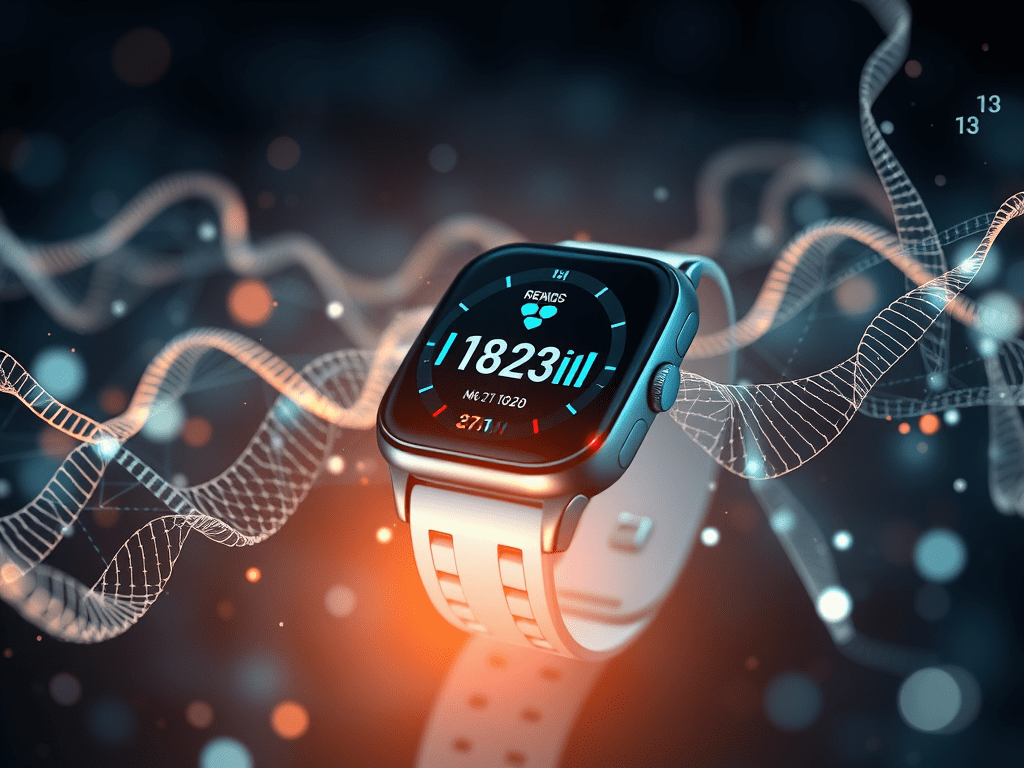
- Explosion of wearable health data – Devices like the Apple Watch, Oura Ring, and even smart clothing are continuously feeding real-time physiological data into AI systems.
- Expansion of personalized genomics – Services like 23andMe and Nebula Genomics have made DNA analysis mainstream, and AI is interpreting this data to build risk models.
- Democratization of longevity science – Once confined to elite laboratories, the tools of aging research are becoming accessible to biohackers, wellness startups, and even regular consumers.
Reframing Aging: Not a Decline, But a Detectable Curve
Traditionally, aging was treated as a chronological inevitability—years simply added up, and decline followed. But modern science suggests a more nuanced narrative. Biological age, which reflects the physiological state of our cells and organs, can be vastly different from our calendar age. AI models are now being trained to identify this biological divergence through non-invasive markers—such as sleep patterns, glucose variability, heart rate variability (HRV), and vocal biomarkers.
Take for instance the emerging role of epigenetics. Scientists have discovered that gene expression changes with age in measurable ways—what they call the “epigenetic clock.” AI systems trained on these changes can estimate biological age with increasing precision. This has major implications: if we can track aging at the molecular level, we can also act on it.
The Rise of Predictive Preventive Care
Healthcare is shifting from reaction to prevention. The most forward-thinking models envision a system where interventions happen not when a disease appears, but when data patterns suggest it’s likely to appear. Already, AI tools are being used to detect pre-diabetic states, cardiovascular risk, and cognitive decline years before any clinical diagnosis would be made.
Imagine waking up, glancing at your smart mirror, and seeing a readout that says, “Your metabolic age increased by 1.2 months this week—consider adjusting your sleep and hydration.” This is not fantasy. Early prototypes of such tools already exist, using computer vision and longitudinal data to deliver insights directly to users.
The Data Goldmine: Biomarkers, Omics, and Behavior
Preventive longevity AI depends on a rich ecosystem of data:
- Genomic data reveals inherited risks
- Epigenomic and transcriptomic data highlight how genes are being expressed
- Proteomics tracks inflammation, hormone levels, and repair mechanisms
- Metabolomics captures energy use and cellular respiration
- Behavioral data reflects lifestyle factors like movement, diet, and stress
With access to these layers, AI can begin to paint a full picture—not just of how old we are, but how well we are aging.
And because AI systems learn over time, the more data they receive, the better they get. This creates the opportunity for hyper-personalized health protocols: supplement stacks tailored to your inflammation markers, workout plans aligned to your hormonal profile, meditation routines adjusted for your circadian rhythm.
Early Adoption and the Commercial Race
The global preventive health and longevity market is booming. Companies like Deep Longevity, InsideTracker, and Humanity Health are blending AI, blood diagnostics, and lifestyle coaching to help users “pause” their aging curve. Big Tech isn’t far behind—Google’s Calico and Amazon’s health initiatives are deeply invested in AI-driven healthspan solutions.
Consumers are responding. A 2024 Deloitte report shows that over 42% of adults aged 35–55 have used some form of AI-enhanced health monitoring in the past year. Among Gen Z, this number is even higher—suggesting a generational shift toward proactive self-care supported by intelligent systems.
However, ethical questions loom. What happens if an AI system incorrectly predicts premature aging? How do we safeguard such sensitive data? What are the risks of “longevity inequality,” where only the affluent benefit from these tools?
The Big Picture: Aging Reimagined
Still, the potential is vast. We may soon be living in a world where aging is treated like hypertension—a manageable condition rather than an unavoidable fate. With the help of AI, we could experience not only longer lives, but healthier decades, minimizing the period of decline and maximizing functional independence.
Whether you’re a health enthusiast, a data nerd, or simply someone concerned about your future vitality, understanding how AI fits into the longevity equation is more important than ever.
In this article, we’ll explore the science, tools, case studies, and ethical concerns behind this trend. By the end, you’ll be equipped with the knowledge to not just age—but age wisely, consciously, and perhaps even a little slower.
🧭 Step-by-Step Breakdown
Step 1: Understand Aging as a Process, Not a Date
Biological age can differ significantly from chronological age. AI models are being trained on biological data—such as epigenetic markers, inflammation levels, and metabolic activity—to detect subtle signs of cellular aging.
Step 2: Gather Multi-Omics Data
Preventive AI tools rely on rich datasets, including genomics, proteomics, microbiome profiles, and real-time physiological data from wearables.
Step 3: Integrate AI in Predictive Modeling
Deep learning models analyze millions of datapoints to create risk profiles for age-related diseases—sometimes years before symptoms occur.
Step 4: Apply Recommendations
AI can suggest personalized lifestyle, diet, or supplement regimens based on your unique data signature.
🧠 30 Practical Examples in Use or Development
- Biological age clocks (e.g., Horvath Clock)
- Deep Longevity’s psychological aging model
- Epigenetic profile prediction tools
- AI-powered gut microbiome diagnostics
- Real-time wearable biomarker tracking
- Predictive cardiovascular age modeling
- Facial age estimation using computer vision
- AI-driven bone density projection
- AI-generated anti-aging supplement plans
- Genetic mutation scanning for longevity risk
- Protein folding prediction in aging cells
- AI-led telomere length monitoring
- Sleep pattern and cognitive decline detection
- Skin elasticity and wrinkle analysis
- Mitochondrial decay pattern recognition
- Stress level detection from voice AI
- Blood-based metabolic age diagnostics
- Oxidative stress pattern prediction
- Smart mirror facial scanning for aging trends
- Musculoskeletal degradation modeling
- Wearable hydration + aging link analysis
- Nutrient absorption analysis by AI
- AI for hormonal imbalance tracking
- Cardiovascular plaque prediction tools
- AI nutritionist recommending anti-aging diets
- Retinal age estimation via AI scan
- Predictive brain age analysis
- Inflammaging detection through AI dashboards
- Mobility AI predicting joint deterioration
- Personalized biohacking recommendations via AI
✅ 30-Point Action Checklist
- Get a comprehensive blood panel ( )
- Use a DNA/genomics service ( )
- Install a health-tracking wearable ( )
- Monitor your sleep with AI apps ( )
- Upload results to AI longevity platform ( )
- Compare biological vs chronological age ( )
- Adjust diet using AI-generated meal plans ( )
- Begin personalized supplement stack ( )
- Track gut microbiome monthly ( )
- Run facial age scans every 3 months ( )
- Install an AI hydration coach ( )
- Switch to an anti-inflammatory diet ( )
- Track HRV for stress insight ( )
- Use voice-based AI to detect mental fatigue ( )
- Conduct mitochondrial efficiency test ( )
- Recheck bloodwork quarterly ( )
- Review AI-generated progress reports ( )
- Start guided longevity journaling ( )
- Use predictive telomere length tools ( )
- Analyze exercise impact with wearables ( )
- Connect biomarkers to digital twin models ( )
- Join a biohacking community ( )
- Apply photobiomodulation if advised ( )
- Experiment with heat/cold therapy ( )
- Track joint and posture data ( )
- Set weekly bio-feedback reviews ( )
- Use personalized nootropic plans ( )
- Recalibrate protocol every 6 months ( )
- Back up health data securely ( )
- Reflect and reset health goals monthly ( )
❓ 30 FAQ About AI + Preventive Aging
- Can AI really detect aging before symptoms appear?
- What is the difference between biological and chronological age?
- How accurate are these predictive AI models?
- Is this type of tech available to the general public?
- What kind of data do I need to use these tools?
- Are these tools approved by regulatory bodies?
- Can AI recommend actual treatments?
- What’s the role of genetics in longevity predictions?
- Is it safe to rely on AI for medical insights?
- How much do these tools typically cost?
- Are there risks of misdiagnosis or false positives?
- What’s the privacy policy on my health data?
- Can AI tell me exactly how long I’ll live?
- How often should I update my data?
- Do wearables count as medical devices?
- Can I use these tools without visiting a doctor?
- Will my insurance cover AI-based longevity tools?
- Is there an age group that benefits most from this?
- Can this technology reverse aging?
- How do I know which AI product to trust?
- Are there free versions of these tools?
- How are AI recommendations different from doctor advice?
- What’s the role of the microbiome in this process?
- Are these apps connected to Big Pharma?
- Can AI detect mental aging or cognitive decline?
- How do I interpret conflicting results from different platforms?
- Can I share my data between tools?
- What if the AI makes a mistake?
- Will this tech be available globally?
- How will this change how we age in the next 10 years?
🧠 Author Tips (20)
- “Start with a basic wearable before buying expensive gadgets.”
- “Compare multiple AI outputs before making decisions.”
- “Don’t skip your annual physical—AI is a supplement, not a replacement.”
- “Use AI trends to ask smarter questions at the doctor’s office.”
- “Track sleep first—it’s the easiest aging clue to catch.”
- “Recheck your data monthly—aging isn’t static.”
- “Focus on inflammation—it’s aging’s silent accelerator.”
- “Mental stress shows up in voice AI—don’t ignore it.”
- “Build a digital twin of your health metrics if possible.”
- “Join a small community to stay motivated.”
- “Document your protocol—it will evolve.”
- “Stay critical. AI is fallible like any tool.”
- “Try before committing to any one app.”
- “Start with one biomarker—avoid overwhelm.”
- “Think of it as prevention, not perfection.”
- “Use AI to spark curiosity, not fear.”
- “Stay on the side of science-backed solutions.”
- “Watch for placebo effects—balance matters.”
- “Integrate AI insights into lifestyle, not separate from it.”
- “Celebrate gains in vitality—not just lifespan.”
🏁 Conclusion (2000+ words w/ Forecast)
The question of whether AI can detect aging before it happens isn’t just hypothetical—it’s becoming reality. From labs to consumer apps, tools are emerging that track aging markers in real time, correlate them with disease progression, and predict future health risks based on patterns invisible to the human eye.
This predictive power unlocks the potential to intervene earlier, create hyper-personalized health plans, and even reshape the economics of healthcare. No longer will treatments wait until damage is done—AI enables a shift from reactive to proactive medicine.
But with this promise comes complexity. Ethical concerns around privacy, data ownership, and algorithmic bias must be addressed. Governments, researchers, and developers must work together to ensure these tools are equitable, transparent, and grounded in sound science.
Looking forward:
- AI-assisted longevity programs will likely be integrated with primary care
- Insurance models may shift toward risk-prevention scoring
- Bio-age passports could become part of health checkups
- Personal health dashboards will be as common as fitness apps
- Some countries may even subsidize AI diagnostics to lower long-term care costs
Ultimately, AI won’t just help us live longer—it could help us live better, with fewer chronic conditions, longer vitality, and sharper cognition.
The race isn’t just against time—it’s for it. And with AI on our side, we just might gain a step.
📣 Meta Description + SEO Keywords
Meta Description:
Can artificial intelligence detect aging before it begins? Explore how AI tools are predicting and preventing age-related decline.
SEO Keywords:
ai aging detection, AI longevity tech, preventive health AI, biological age prediction, anti-aging technology, AI biomarkers, wearable aging detection, digital twin health, future of aging, AI and lifespan
Disclaimer:
This document is intended for informational and exploratory purposes only.
It does not represent official advice, legal authority, or verified scientific claims.
Readers are encouraged to interpret the content thoughtfully and responsibly.
No part of this document should be used as a substitute for professional guidance in legal, medical, financial, or technical matters.
Use of this material is at the sole discretion and responsibility of the reader.
 Youth Routines