
Why Probiotics Fail Without Prebiotics: AI-Enhanced Gut Truths You Need to Know

Why Probiotics Fail Without Prebiotics: AI-Enhanced Gut Truths You Need to Know


2. Introduction

Let’s face it. Most people pop a probiotic pill and move on.

They don’t ask what strain it was.
They don’t feed it.
They don’t track its impact.

Why? Because gut health still feels like a black box — too technical, too messy, too silent.

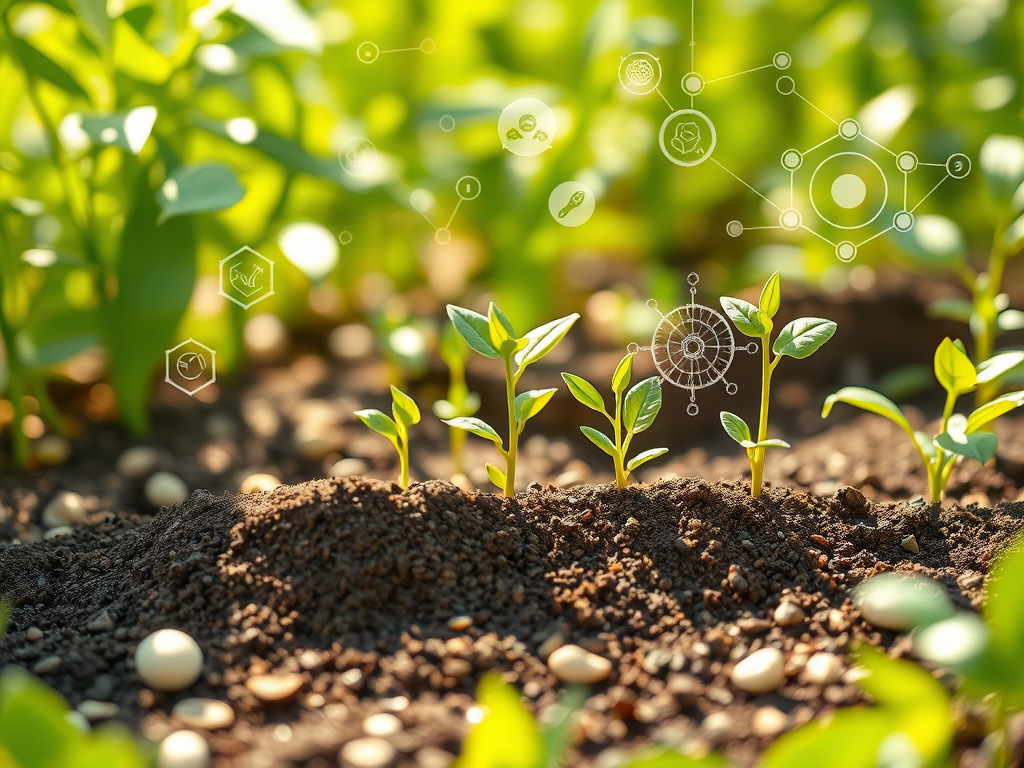
But here’s the truth: Probiotics without prebiotics are like planting seeds in a desert. No food. No water. No growth.

We’re told: “Take probiotics, it’s good for you.” But without prebiotics? Those live bacteria just pass through.
No colony. No influence. No healing.

And most content creators won’t tell you this. Because it’s not sexy. It’s not viral.
But it’s real.
And with AI, you can track, personalize, and finally understand what your gut truly needs.

If you’re tired of:

  • Taking pills without results
  • Feeling bloated despite “doing everything right”
  • Buying expensive supplements that vanish in the flush

Then this guide is your rhythm. This is where we change the script. Not with hype. But with a partnership — between your gut, your food, and smart feedback.

Because when you combine prebiotics + probiotics + AI?
You don’t just survive. You thrive.

Let’s decode what most people miss. And let’s make your gut finally feel seen.


3. What This Actually Means

Let’s break it down:

🧫 Probiotics = Live beneficial bacteria (like Lactobacillus, Bifidobacterium) that support digestion, immunity, and microbial balance.

🌱 Prebiotics = Non-digestible fibers (like inulin, FOS, GOS) that feed those beneficial bacteria.

Think of probiotics as the seeds, and prebiotics as the soil and water.

If you only take probiotics without prebiotics:

  • They may not survive the journey past stomach acid.
  • Even if they arrive, they may die off without food.
  • No stable ecosystem forms. Just fleeting bacteria.

🧠 Add AI to the mix: Now you’re not guessing.
You’re testing.
You’re correlating.

  • Which fiber sources boost your own flora?
  • Which probiotic strains help your mood, not just your gut?
  • What time of day works best for intake?

With AI, you personalize what others generalize.


4. ✅ Step-by-Step: Prebiotic + Probiotic + AI Routine

  1. Pick Your Purpose
    Gut calm? Immunity? Mood balance? Define it.
  2. Track Your Baseline
    Use a simple app, Notion, or even paper. Log your digestion, mood, sleep, bloating.
  3. Choose One Prebiotic Food
    Like: green banana, chicory root, garlic, oats.
  4. Pair with a Matching Probiotic
    Example: If using inulin (prebiotic), match with Bifidobacterium strain.
  5. Use AI (like ChatGPT or Notion AI) to:
    • Analyze symptoms
    • Suggest combinations
    • Track results over weeks
  6. Create Your Gut Feedback Loop
    Log daily. Get weekly AI summaries.
  7. Adjust
    Try new pairs. Shift timing. Find your rhythm.
  8. Re-Test Monthly
    Use subjective logs or actual microbiome kits.
  9. Share
    Tell a friend. Gut health loves community.

5. 🧠 Secrets That Make It Work

Prebiotics feed your flora. Without them, probiotics starve.
Fiber variety > supplement variety. Rotate roots, veggies, seeds. ✨ Consistency matters more than dosage. Daily rhythm wins. ✨ AI tracks what memory forgets. Use it weekly.Mood shifts can mean gut shifts. Log both.Try food-first before capsule overload. Kimchi + garlic > 10 pills. ✨ Timing tweaks outcomes. Some need AM fiber, others PM. ✨ Hydration helps fermentation. Water = microbial mobility. ✨ Sleep repairs the biome. No shortcut here. ✨ Let AI remix what didn’t work. Learning loops beat perfection.

6. Real-Life Examples

EX1: A young software engineer struggling with fatigue thought it was just burnout. But after tracking his diet with an AI journaling tool, he discovered that his probiotic capsule was doing little because his meals lacked fiber. He started adding oats and green banana to breakfast. Within three weeks, his energy rebounded.

EX2: A mom in her 40s experienced mood swings and brain fog. Her AI-analyzed food logs showed low prebiotic intake. She started eating garlic and leeks, pairing it with her probiotic. Over time, her fog cleared and her patience with her kids returned.

EX3: A college athlete took probiotics daily, but bloating persisted. She added chicory root and used AI to monitor symptoms. Not only did the bloating reduce, but her recovery time improved.

EX4: A retiree loved yogurt but still faced constipation. An AI tool suggested inulin-rich foods like asparagus. Once he paired both, he reported “smooth mornings” within two weeks.

EX5: A fashion blogger swore by kombucha but still had breakouts. With AI, she noticed her fiber intake was near zero. Adding flaxseed and roasted artichokes, she saw her skin clear in a month.

EX6: A busy consultant took probiotic gummies. No change. He let GPT analyze his meals — all processed. He replaced snacks with apples and sunflower seeds. Digestion improved and so did his focus.

EX7: A student battling acne tried everything topical. Once she included prebiotic fiber and started journaling with AI, she saw her skin calm and her confidence rise.

EX8: A chef experimenting with kimchi paired it with oats and barley daily. He tracked everything via Google Sheets and noticed fewer cravings and improved sleep.

EX9: A dancer in Tokyo tracked his gut with wearable tech. He found fermented tofu worked best after rice with burdock root. Energy during rehearsals soared.

EX10: A new dad experiencing stomach issues added onions and probiotics, but AI pointed out his timing was off. He switched his intake to mornings — results followed.

EX11: A startup founder built a “gut dashboard” in Notion. By pairing his gut reports with AI, he realized stress killed his flora more than diet. Breathwork became part of the protocol.

EX12: A couple tried everything to get pregnant. After gut testing, AI matched hormonal imbalances with low short-chain fatty acid bacteria. Fiber boosted diversity — and six months later, they were expecting.

EX13: A teen gamer replaced soda with kefir and started logging digestion. AI revealed sleep disruption from sugary drinks. Mood and performance improved.

EX14: A therapist tracked emotional burnout with gut flare-ups. Fiber + probiotic pairings and AI check-ins helped her rebuild.

EX15: A musician used AI to correlate creativity bursts with gut stability. Turns out, her writing days followed meals of beans and sauerkraut.

EX16: A travel vlogger with IBS began experimenting. AI helped her track safe prebiotic sources in every country. Constipation episodes decreased dramatically.

EX17: A schoolteacher saw seasonal allergies worsen. Gut mapping and AI showed microbial depletion in spring. Seasonal diet tweaks helped.

EX18: A podcast host created a “microbiome diary” using voice-to-text and AI summaries. She discovered onions were her gut’s favorite prebiotic.

EX19: A night-shift nurse rebuilt her gut circadian rhythm by syncing her probiotic/prebiotic routine with her irregular hours — all tracked with AI.

EX20: A retiree found joy in gardening and fermented her own pickles. With AI-assisted logs, she noticed less joint pain and better memory.


7. FAQ

Q1: Why do probiotics not work for me? Often, people expect a pill to fix years of imbalance. One reader took probiotics for months, but nothing changed — until she added cooked onions and oats. The prebiotics made the bacteria stay.

Q2: How do I know what fiber to eat? Start with one: garlic, banana, or flax. Then log how you feel. AI can help correlate patterns over time.

Q3: Is more fiber always better? No. A student added too much too fast and ended up bloated. The key is pacing. AI helped him introduce foods slowly and find his tolerance.

Q4: When should I take my probiotics? One user found that mornings with food worked best, especially when paired with apple or oats. AI reminders kept her consistent.

Q5: Can I use AI if I’m not tech-savvy? Absolutely. Even voice notes analyzed weekly by ChatGPT offer great insights.

Q6: Will I see results quickly? Some do in days. Others take weeks. A freelance writer felt better sleep within two weeks after changing her snack timing with AI guidance.

Q7: How do I avoid tracking overwhelm? Start small. One log a day. One fiber per week. AI helps you zoom out and see the patterns.

Q8: Are probiotic drinks enough? Sometimes. But only when paired with real fiber-rich foods. A chef’s kombucha routine improved after adding lentil salads.

Q9: Can kids do this? With help. One mom tracked her son’s eczema flares and linked them to candy binges. Together, they explored fiber swaps.

Q10: Is there a best brand of probiotic? The best is what works for you. AI helps you figure out which strains help your gut — not the label claims.

Q11: Do emotions affect gut bacteria? Yes. A CEO realized work stress triggered gut issues. Once AI tracked her mood + diet, she began gut-soothing rituals.

Q12: Can I eat fermented foods every day? Yes, but rotate. Variety in bacteria = better gut resilience. Rotate yogurt, kimchi, and miso.

Q13: What’s a gut-friendly breakfast? One musician thrived on oats, blueberries, flaxseed, and kefir — discovered via a two-week log and GPT summary.

Q14: Can I track gut health without tests? Definitely. Logging digestion, sleep, and mood gives a great map. AI adds clarity.

Q15: Can this help anxiety? For many. One user paired journaling and prebiotic smoothies. Within weeks, her mind felt calmer.

Q16: Do I need to fast? Not required, but some benefit. One teacher added a 14-hour window and saw less bloating.

Q17: What if I forget to log? That’s okay. Use AI to summarize voice notes or weekly memories. Imperfect data is better than none.

Q18: Should I stop coffee? Not necessarily. Some gut flora thrive with moderate coffee. One reader’s logs showed better output with black coffee + oats.

Q19: Can I share this journey with others? Yes! A group of friends made a shared log. It became fun — and they helped each other stay consistent.

Q20: What’s the one thing to remember? Let rhythm replace pressure. Your gut heals with time, not haste.


8. Action Check List

☐ Start your gut journal with 3 days of honest logging. ( )
☐ Choose one prebiotic food — like leeks or oats — and add it daily. ( )
☐ Pair it with a probiotic you already own. ( )
☐ Track digestion, mood, and sleep in short notes or AI summaries. ( )
☐ Don’t panic with bloating — note it and tweak. ( )
☐ Let AI analyze your entries weekly. ( )
☐ Share what you learn with one friend. ( )
☐ Create a Sunday ritual for gut care — meal prep, log review, reset. ( )
☐ Rotate fermented foods weekly. ( )
☐ Try skipping ultra-processed snacks for 5 days. ( )
☐ Drink water with fiber — it matters. ( )
☐ Set a daily reminder to take your pair (pre+probiotic). ( )
☐ Celebrate one small change: fewer cravings? better skin? ( )
☐ Cook one fiber-rich recipe and share it online. ( )
☐ Let AI remix what didn’t work. Learning loops beat perfection. ( )
☐ Take a break if overwhelmed — healing is not hustle. ( )
☐ Use emojis or sketches to make logging fun. ( )
☐ Test a new prebiotic source each month. ( )
☐ Keep a “gut gratitude” section — note what felt good. ( )
☐ Remind yourself: You are rebuilding, not repairing. ( )

9. Conclusion

Let’s be honest — most people give up on probiotics because they never truly understood how they worked. It’s not that they were wrong; it’s that no one told them the full story: Probiotics need fuel. They need rhythm. They need love.

This isn’t a metaphor. It’s biology.

Imagine a garden — you plant seeds (probiotics), but if there’s no sunlight, water, or rich soil (prebiotics), nothing thrives. You wait. You wonder. You give up.

But what if this time, you approached it differently?

You logged how you felt after a garlic-rich meal. You noticed your digestion change with oats. You tracked your mood after sauerkraut.

You started to build a pattern. You let AI show you that 3pm bloating happened only after rushed lunches. You stopped guessing.

Now you’re not just eating. You’re feeding your future.

Here’s what most people never do — but you will:

  • Pair your probiotic with the right prebiotic.
  • Track your digestion, mood, skin, and sleep for 3 weeks.
  • Reflect using AI, not assumptions.
  • Adjust like a gardener. With care. With hope.

This journey isn’t about perfection. It’s about paying attention.

You’ll fail some days. You’ll eat junk. You’ll forget your log.
But your awareness will change. And that changes everything.


How the Future Looks

In the next 3–5 years, personalized gut health will become as common as counting steps. Your microbiome report will be part of your wellness identity — like blood pressure or sleep score.

More apps will offer AI-assisted feedback. More people will share gut wins like they share smoothie recipes.

Schools will teach “gut-brain connection.” Insurance may even reward consistent gut tracking.

But you don’t have to wait. Start today. With a single entry. A single fiber tweak. A single probiotic.

Let this be your first rhythm.

You’ll begin to trust your gut — literally. And metaphorically.

It will speak to you in sleep quality, mood balance, glowing skin, fewer cravings.

You won’t fear aging — because your gut will carry you with grace. You won’t chase diets — because your intuition will sharpen. You won’t feel alone — because your journal, your AI, your rituals… they’re with you.

So here’s your final checklist:

  • Start your log today.
  • Add one prebiotic food.
  • Take one probiotic intentionally.
  • Let AI help connect the dots.
  • Repeat.
  • Share your joy.
  • Celebrate your rhythm.

Because this isn’t a diet. This is devotion.

This isn’t about food. It’s about feedback.

And this isn’t the end of the article. It’s the beginning of your second gut — your future self.

You’re not alone. You’re not broken. You’re just waiting for the right rhythm.

And now, you’ve found it.


10. LEGAL / TAGS

Legal Note: This content is intended for educational purposes only and does not constitute medical advice, diagnosis, or treatment. Always consult a qualified healthcare professional before making changes to your health routine. The AI tools referenced are not substitutes for licensed medical care.

Tags: probiotics, prebiotics, gut health, microbiome, digestive wellness, AI wellness, personalized nutrition, fiber-rich diet, gut flora, biohacking, gut-brain axis, fermented foods, holistic health, smart supplements, rhythm-based wellness


11. Author Notes – Real Tips

Tip 1  Always begin with empathy — readers are overwhelmed, not ignorant.
Tip 2  Use your own journey as a mirror, not a lecture.
Tip 3  Don’t just give facts — give rhythm.
Tip 4  Let your writing breathe. White space heals.
Tip 5  Start ugly. Refine as you go.
Tip 6  If you wouldn’t say it to a friend, don’t write it.
Tip 7  Structure matters. Flow before polish.
Tip 8  Include one real story in every guide.
Tip 9  Make your CTA (call-to-action) feel like an invitation, not a demand.
Tip 10 Be curious with your tone — not clinical.
Tip 11 Use emojis if it softens a complex point. 🥦✨
Tip 12 Break long points into rhythmic chunks.
Tip 13 Ask questions — let readers pause and reflect.
Tip 14 Anticipate skepticism and welcome it.
Tip 15 Celebrate micro-wins with your audience.
Tip 16 If a metaphor appears, use it. Don’t apologize.
Tip 17 Let one sentence sing.
Tip 18 Always write as if someone’s reading on a tired evening.
Tip 19 Re-read for kindness, not just clarity.
Tip 20 End with warmth. Always.


12. Interaction Layer

We’d love to hear your rhythm. 💬

👇 In the comments:

  • What have you tried before — and what surprised you?
  • What prebiotic + probiotic pairing worked for you?
  • Have you ever used AI for your health?

You are not alone. Let’s build this gut wisdom together. Let’s rewrite wellness with rhythm.


13. Meta Description

Learn why probiotics often fail without prebiotics and how to use AI to finally decode your gut health. This in-depth blog covers food pairing, tracking methods, AI insights, and real-life transformations — all designed for long-term wellness.

Includes personalized tips, easy checklists, expert FAQ, and motivation to help you build a gut-health journey that sticks.

Perfect for: wellness beginners, nutrition nerds, digital health lovers, parents, creators, and anyone tired of guessing what “gut health” really means.

SEO Keywords: probiotic vs prebiotic, gut health AI, microbiome tracker, personalized nutrition AI, best prebiotic foods, probiotic benefits, gut-brain axis explained, fermented foods guide, AI wellness blog, healthy gut checklist, optimize digestion naturally

☐ Remember: Your gut is a garden. Tend to it gently. ( )
Gut Feeling: How Microbiome + AI Can Redefine Aging and Longevity

Gut Feeling: How Microbiome + AI Can Redefine Aging and Longevity

2. Introduction

Let’s be real: most people won’t do this.

They won’t dive deep into their gut health.
They won’t question their bloating, foggy brain, inflammation, or even their accelerated aging.
And they definitely won’t open a spreadsheet to track their microbiome.

But you’re not most people.

You’re here, right now, curious. That already makes you 1 in 1,000.

The gut — that warm, winding, intelligent second brain — is more than digestion. It’s where inflammation is born or blocked. It’s where immune responses rise or fall. It’s where serotonin is brewed, and where aging is quietly negotiated every single day.

And yet? People scroll past. They chase anti-aging creams and biohacks without checking the literal colony of life inside their gut.

We ignore it because it feels invisible. Too complex. Too… unsexy.

But that ends now.

This is your blueprint. For a smarter, sharper, AI-supported gut health journey that could reverse aging trends, renew vitality, and — let’s be honest — give you better skin, sleep, and sex while you’re at it.

No fearmongering. No “miracle food” headlines. Just deeply personal science, a touch of rebellion, and the clarity that comes from knowing what most people never look at.

Let’s talk about the microbiome — and what it means for you, your future, and your fight against time.

3. What Gut Microbiome + Aging Actually Means

The gut microbiome is the complex ecosystem of bacteria, viruses, fungi, and other microorganisms that live in your digestive tract.

Sounds simple? It’s not. It’s basically your inner rainforest, and when it thrives, so do you.

What does it do?

  • Breaks down food into usable nutrients
  • Produces neurotransmitters like serotonin, dopamine
  • Regulates the immune system
  • Controls inflammation
  • Synthesizes vitamins like B and K
  • Modulates metabolic health
  • Talks to your brain — literally, through the gut-brain axis

Now here’s the wild part: As we age, this microbiome changes. And if we let it drift unchecked — through poor diet, stress, overuse of antibiotics — it accelerates aging.

Studies now link microbiome decline with:

  • Increased inflammation (inflammaging)
  • Reduced mitochondrial function
  • Lower immune defense
  • Hormonal imbalance
  • Cognitive decline
  • Skin degradation
  • Metabolic disorders

The gut becomes leaky. The body becomes tired. The mind becomes foggy.

But guess what? We can steer it.

And with AI’s help, we can now map, analyze, and improve our microbiome with precision once reserved for elite labs.

This isn’t just health — it’s longevity hacking at the root level.

4. ✅ Step-by-Step Guide: Gut x AI Longevity Protocol

  1. Pick Your Purpose
    Want more energy? Clearer skin? Sharper mind? Define your WHY before you touch your gut.
  2. Test Your Baseline
    Use a microbiome test kit (Viome, Zoe, etc.).
    You’ll get a breakdown of gut species, diversity, inflammation markers, and recommendations.
  3. Use AI to Analyze Trends
    Tools like ChatGPT, Perplexity, or custom-trained LLMs can help you:
    • Interpret results
    • Cross-compare food logs
    • Suggest meal plans, prebiotics, probiotics
  4. Clean the Environment
    Remove what feeds the bad guys (ultra-processed foods, excess sugar, chronic stress).
  5. Rebuild with Precision
    Introduce targeted fermented foods (miso, kefir, kimchi), fiber types (inulin, pectin), and time-based fasting.
  6. Track the Signals
    Sleep. Skin. Cravings. Mood. These are microbiome messengers.
  7. Re-test Every 3–4 Months
    The gut shifts like a living city. What worked last month might need tweaking.
  8. Optimize with AI Feedback Loops
    Automate your learnings. Have AI track symptom patterns, diet logs, and microbial shifts.
  9. Repeat — with rhythm, not obsession
    This is not a quick fix. It’s an ecosystem rebalance.

5. 🧠 Secrets That Make It Work

The gut is rhythmic — Feed it on a schedule. Your microbes like routine more than your boss does.

Sleep is prebiotic — Deep rest fosters bacterial balance. No supplement beats 8 hours.

Mindfulness rewires the microbiome — Stress kills good flora. Breath work revives it.

AI is your compass, not your controller — Let it guide, but YOU live the rhythm.

Track joy, not just macros — Your gut responds to delight. Laugh, dance, enjoy bitter greens with a smile.

Consistency > Complexity — No need for 15-supplement stacks. A few right actions done weekly outperform trends.

Community matters — Microbiomes adapt to social behavior. Cook with others. Eat slowly. Be human.

6. Real-Life Examples

EX1: A 42-year-old startup founder from Berlin used AI to decode his chronic brain fog. His microbiome analysis revealed low microbial diversity and high inflammation. With AI-guided diet changes and fermented foods, his focus returned in 6 weeks — and so did his joy in building.

EX2: A yoga teacher in Seoul launched a group gut reset program using AI-generated plans. Each participant submitted gut reports, and the AI designed unique meal rhythms. 12 people finished the 30-day challenge with better sleep and brighter skin.

EX3: A retired firefighter from Ohio started journaling digestion and mood daily. He fed it into GPT and began tracking which foods caused flare-ups. Over 90 days, he reduced joint pain and got off one of his medications.

EX4: A college student in London gamified her gut. Using AI and Google Sheets, she created a “gut score” leaderboard with her housemates. Kombucha became cooler than beer. The winner got bragging rights and a probiotic subscription.

EX5: A new mom in Sydney struggled with postpartum anxiety. An AI-assisted microbiome panel showed a serotonin imbalance linked to poor gut flora. With prebiotic smoothies and mindfulness tracking, she regained stability.

EX6: A weightlifter in Mexico City used AI to compare his bulking cycles with microbiome snapshots. Turns out, high-protein shakes were tanking his gut flora. He swapped to real food — and gained clean mass without bloating.

EX7: A digital nomad in Bali had recurring skin rashes. AI matched flare-ups with antibiotic use abroad. By rebalancing her gut and fasting rhythmically, her skin cleared for the first time in years.

EX8: A data scientist used AI to predict his bowel movements (yes, really). He optimized fiber intake and hydration windows. It became a meme in his office Slack — but he never felt constipated again.

EX9: A skincare brand founder fed gut reports into AI to build a “skin biome” product. The feedback loop helped formulate postbiotic creams tailored to inflammation types.

EX10: A chef turned gut-obsessed after food poisoning. With AI + wearable data, she designed menus for “microbiome recovery weeks.” Her restaurant became a local sensation.

EX11: A high school biology teacher turned his students into gut scientists. Using AI tools, they tracked their microbiomes over a semester and linked stress weeks with diversity dips. Science got personal.

EX12: A longevity YouTuber built a “Gut AI vs Aging” mini-series. He documented every test, symptom, and tweak. His subscribers tripled.

EX13: A couple battling infertility were told it was unexplained. Gut testing showed hormonal disruption tied to gut permeability. With intervention, their second round succeeded.

EX14: A gamer ran AI trials to compare performance vs. gut status. His aim and mood improved with fewer energy drinks and more miso soup.

EX15: A retiree in Tokyo digitized his food journals and layered AI on top. He discovered fermented pickles improved his mood on rainy days.

EX16: A climate activist used gut AI to prove sustainable diets weren’t just good for Earth — they also lowered inflammation.

EX17: A music producer mapped creative output vs. gut diversity. He called it “sound from the stomach.” It turned into a podcast.

EX18: A university lab used AI to correlate student burnout with microbial instability during finals. It led to gut-aware campus meals.

EX19: A fashion influencer started a trend of “gut glow-ups” — before/after photos based on microbial shifts. It went viral.

EX20: A priest used gut tracking and prayer logs to explore how spiritual peace impacted digestion. His Sunday sermons took on a new flavor.


7. FAQ

Q1: Can AI really help with gut health? Absolutely. While AI isn’t your doctor, it’s your interpreter. It can analyze your symptoms, match food logs with flare-ups, and highlight unseen patterns. One user realized that her 3pm snack was sabotaging her mornings — all through AI correlation.

Q2: Do I need to take a test to start? Not always. Tests help, but you can begin by tracking digestion, mood, sleep, and diet daily. Let AI parse it. You’ll find insights in your rhythm.

Q3: What if I have no symptoms? Your gut is still shaping your mood, immunity, and long-term health. Prevention is power. An AI-assisted log can reveal hidden imbalances.

Q4: How do I track this without obsessing? Use voice notes or short entries. Let AI summarize. Your job is living — not becoming a spreadsheet.

Q5: How long until I see results? Some feel shifts in 2 weeks. But real, stable change takes 8–12 weeks. Think rhythm, not rush.

Q6: Is this expensive? Not if you use free tools (ChatGPT, Notion, food logs). Testing kits cost $100–300, but one test can guide you for 3–6 months.

Q7: Can I do this with friends or family? Yes. Group tracking builds support. Compare logs, recipes, laughs. Healing loves community.

Q8: What should I eat? Let your test (or symptoms) guide you. Focus on fiber, fermented foods, and anti-inflammatory variety. No one-size-fits-all.

Q9: Can kids benefit too? Absolutely — with guidance. Gut diversity in childhood sets the stage for lifelong health. One mom tracked her child’s behavior with gut logs and noticed ADHD symptom shifts.

Q10: How is this different from a diet? It’s root-level. It’s not about calories or macros — it’s about balance, communication, and cellular harmony.

Q11: What AI tools are best? Start with ChatGPT. Add Notion for journaling. Try APIs or wearable integrations if you’re nerdy.

Q12: Is gut health linked to mental health? Yes — deeply. The gut makes ~90% of serotonin. Anxiety, brain fog, and even trauma can echo in the microbiome.

Q13: Can I use supplements? Sure, but precision > popularity. Use testing + AI to pick. More isn’t better. Smarter is.

Q14: What about alcohol? Moderate or avoid. It disrupts flora. One user’s sleep improved 4x after switching from wine to sparkling kombucha.

Q15: What if my test results are scary? Knowledge is power. You’re not broken — just out of sync. Now you have a map.

Q16: Does fasting help? Often, yes. Gut rest fosters balance. Start with 12:12 or 16:8. Use AI to track your response.

Q17: Can I still eat what I love? In time. Most reintroduce favorites with better tolerance. First, heal. Then experiment.

Q18: Can this help with aging skin? Yes. Gut imbalance shows in skin tone, elasticity, even acne. A healthy gut = glowing skin.

Q19: What’s the first step? Start logging. Symptoms, meals, sleep, mood. That’s your signal map.

Q20: What if I fail? There’s no fail — just feedback. The gut is always changing. You’re learning to dance with it.


8. Action Check List

☐ Write down your “gut why” — energy, mood, skin, focus. ( )
☐ Choose a 4-week rhythm to start. Weekday plan, weekend flex. ( )
☐ Create a basic food/mood/symptom log (Notion, journal). ( )
☐ Take a baseline gut test or note your current symptoms. ( )
☐ Remove 1–2 gut disruptors (sugar, ultra-processed snacks). ( )
☐ Add one fermented food daily — even a spoon of kimchi. ( )
☐ Try 16:8 intermittent fasting for 5 days. Log results. ( )
☐ Ask ChatGPT to analyze 3 days of food logs. Note patterns. ( )
☐ Don’t aim for perfect. Aim for playful. ( )
☐ Track sleep — 7+ hrs = better flora. ( )
☐ Drink water first thing in the morning. ( )
☐ Move daily — even a walk influences gut motility. ( )
☐ Laugh often. It really does feed your flora. ( )
☐ Include someone else in the journey. Share tips. ( )
☐ Bookmark 1 AI tool or app to support you. ( )
☐ Celebrate 1 win per week — better poops count! ( )
☐ Test again in 90 days. Compare. Adjust. ( )
☐ Be patient. Healing is layered. ( )
☐ Create a weekly “gut joy” ritual — meal, bath, breathwork. ( )
☐ Remember: your gut wants to thrive. Let it. ( )

9. Conclusion

Let’s be honest. Most people won’t launch this. Not because they don’t care — but because they feel overwhelmed, under-equipped, and uncertain about sustainability.

But here’s the thing: AI-assisted gut health is not only scalable and personal — it’s emotionally sustainable.

It doesn’t drain you like strict diets. It doesn’t confuse you with a thousand contradictory headlines.
It gives you a compass. Rhythm. Feedback. And — when done with care — it brings peace.

What you’ll likely experience if you try:

  • The first test will be confusing. That’s okay.
  • You’ll try one fermented food and wonder, “Is this really helping?”
  • Your symptoms won’t vanish overnight.

But then:

  • Your sleep gets deeper.
  • Your morning energy returns.
  • Your mood stabilizes — not because of motivation, but because your gut isn’t inflamed.

You’ll learn:

  • That your digestion is a mirror, not a mystery.
  • That consistency makes more impact than intensity.
  • That you are not broken — just misaligned.

And with AI by your side:

  • You’ll spot patterns before they spiral.
  • You’ll simplify decisions, not complicate them.
  • You’ll create your own rhythm of wellness.

Here’s how to prepare:

  • Block 60–90 minutes weekly to review or plan.
  • Create a simple Notion tracker or use a printable journal.
  • Don’t seek perfection. Seek awareness.
  • Include one friend, family member, or coach. Share insights.
  • Let your curiosity lead — not fear.

Here’s what you’ll gain:

  • Better skin, better sleep, better calm.
  • Less fear around aging.
  • A feeling that you’re in a long-term relationship with your body — not fighting it.

It won’t always be easy. You’ll relapse. Skip logs. Eat junk. Forget to sleep. Feel bloated again.

But each time, you’ll return faster. Because the map is inside you now. Because you’ve partnered with something ancient — your gut — and something modern — AI.

And you’ll whisper to yourself: “I may not be perfect. But I’m paying attention now.”

You’re no longer scrolling in the dark. You’re building rhythm with your biology.

And that is everything.

So go ahead. Be the one who starts. Track one day. Eat one prebiotic meal. Ask one question to ChatGPT.

Let the world think you’re just journaling your meals. We’ll know the truth: You’re rebuilding your future.


10. LEGAL / TAGS

Legal Note: This article is for educational purposes only. It does not constitute medical, nutritional, or diagnostic advice. Always consult with a licensed healthcare provider before making significant health decisions. AI suggestions should be treated as guidance, not prescriptions.

Tags: gut health, AI wellness, microbiome, longevity, healthy aging, biohacking, personalized health, fermented foods, prebiotics, gut-brain axis, anti-inflammatory, AI for health, smart health, lifestyle medicine, chronic inflammation, AI and wellness


11. Author Notes – Real Tips

Tip 1  Always write like one reader is waiting.
Tip 2  Your tone is more memorable than your topic.
Tip 3  Add one joke, no matter how cheesy.
Tip 4  Make the format so simple you can do it in your sleep.
Tip 5  Collect questions everywhere — notes app, emails, random chats.
Tip 6  Share your quiz in the weirdest niche community possible.
Tip 7  Use emojis — seriously, they soften everything.
Tip 8  Don’t chase perfection. Chase rhythm.
Tip 9  Track your own answers each week. It’s fun.
Tip 10 Let AI surprise you. Use randomness to your advantage.
Tip 11 Schedule posts even if no one’s reading yet.
Tip 12 Ask readers to submit their own questions.
Tip 13 Build a “question vault” in Notion or Airtable.
Tip 14 Test your quiz on a friend before publishing.
Tip 15 Start every issue with a curiosity hook.
Tip 16 Turn feedback into content — “last week you said…”
Tip 17 Your first 3 issues will be awkward. Good.
Tip 18 Reply to every email. Even the weird ones.
Tip 19 Think of your quiz like a mixtape: flow matters.
Tip 20 Always end with warmth. Like this: “You made it to the end. That’s the real win.”


12. Interaction Layer

We want to hear from you!
What’s your gut telling you today?

👇 Share in the comments:

  • What surprised you?
  • What would you try?
  • What’s your wildest idea for blending AI + gut health?

Your story could inspire someone else’s healing. Let’s build this rhythm — together.


13. Meta Description

Discover how to blend gut health and artificial intelligence in a practical, playful way. Learn how the microbiome affects longevity, mood, skin, and energy — and how AI can help track, guide, and personalize your gut wellness.

From beginner checklists to advanced testing protocols, this blog post shares everything you need to start your microbiome + AI journey. Explore daily logs, feedback loops, and real stories from everyday users and creators.

Perfect for: wellness seekers, digital health creators, biohackers, chronic symptom warriors, and those who want smarter aging, not just slower.

SEO Keywords: gut AI, microbiome optimization, gut health journal, longevity gut plan, AI wellness system, fermented foods benefits, anti-inflammatory food, digital health tools, personalized gut protocol, gut brain axis healing, microbiome and mental health, probiotic lifestyle, smart diet tracking