Gut Feeling: How Microbiome + AI Can Redefine Aging and Longevity

Gut Feeling: How Microbiome + AI Can Redefine Aging and Longevity

2. Introduction

Let’s be real: most people won’t do this.

They won’t dive deep into their gut health.
They won’t question their bloating, foggy brain, inflammation, or even their accelerated aging.
And they definitely won’t open a spreadsheet to track their microbiome.

But you’re not most people.

You’re here, right now, curious. That already makes you 1 in 1,000.

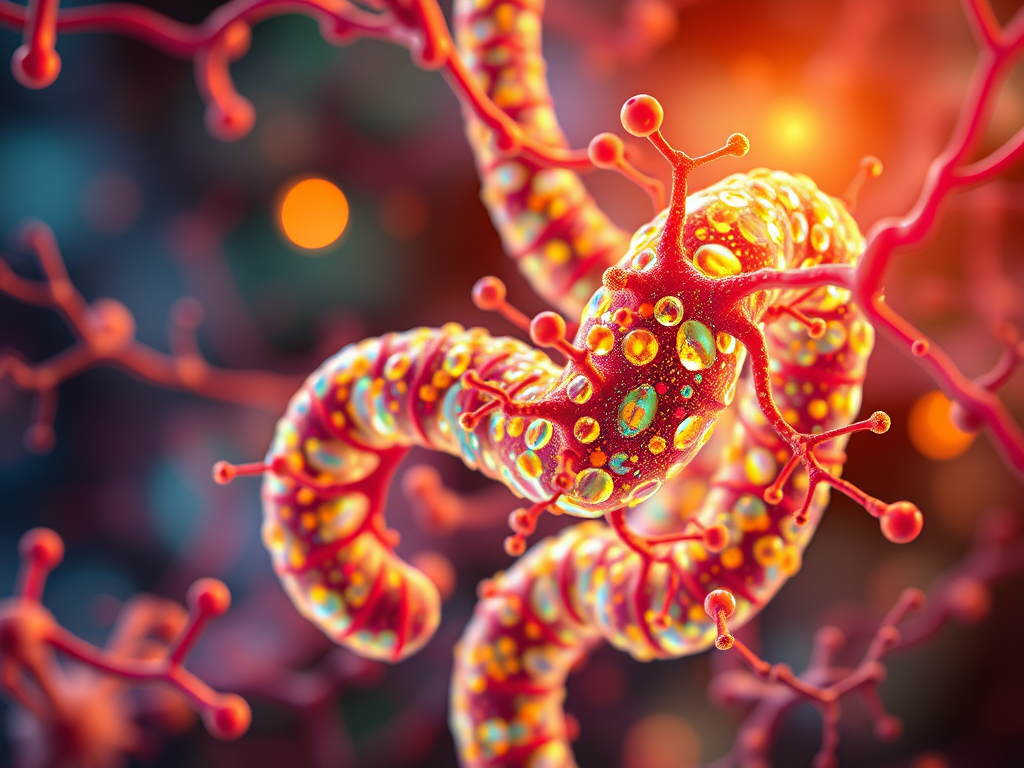
The gut — that warm, winding, intelligent second brain — is more than digestion. It’s where inflammation is born or blocked. It’s where immune responses rise or fall. It’s where serotonin is brewed, and where aging is quietly negotiated every single day.

And yet? People scroll past. They chase anti-aging creams and biohacks without checking the literal colony of life inside their gut.

We ignore it because it feels invisible. Too complex. Too… unsexy.

But that ends now.

This is your blueprint. For a smarter, sharper, AI-supported gut health journey that could reverse aging trends, renew vitality, and — let’s be honest — give you better skin, sleep, and sex while you’re at it.

No fearmongering. No “miracle food” headlines. Just deeply personal science, a touch of rebellion, and the clarity that comes from knowing what most people never look at.

Let’s talk about the microbiome — and what it means for you, your future, and your fight against time.

3. What Gut Microbiome + Aging Actually Means

The gut microbiome is the complex ecosystem of bacteria, viruses, fungi, and other microorganisms that live in your digestive tract.

Sounds simple? It’s not. It’s basically your inner rainforest, and when it thrives, so do you.

What does it do?

  • Breaks down food into usable nutrients
  • Produces neurotransmitters like serotonin, dopamine
  • Regulates the immune system
  • Controls inflammation
  • Synthesizes vitamins like B and K
  • Modulates metabolic health
  • Talks to your brain — literally, through the gut-brain axis

Now here’s the wild part: As we age, this microbiome changes. And if we let it drift unchecked — through poor diet, stress, overuse of antibiotics — it accelerates aging.

Studies now link microbiome decline with:

  • Increased inflammation (inflammaging)
  • Reduced mitochondrial function
  • Lower immune defense
  • Hormonal imbalance
  • Cognitive decline
  • Skin degradation
  • Metabolic disorders

The gut becomes leaky. The body becomes tired. The mind becomes foggy.

But guess what? We can steer it.

And with AI’s help, we can now map, analyze, and improve our microbiome with precision once reserved for elite labs.

This isn’t just health — it’s longevity hacking at the root level.

4. ✅ Step-by-Step Guide: Gut x AI Longevity Protocol

  1. Pick Your Purpose
    Want more energy? Clearer skin? Sharper mind? Define your WHY before you touch your gut.
  2. Test Your Baseline
    Use a microbiome test kit (Viome, Zoe, etc.).
    You’ll get a breakdown of gut species, diversity, inflammation markers, and recommendations.
  3. Use AI to Analyze Trends
    Tools like ChatGPT, Perplexity, or custom-trained LLMs can help you:
    • Interpret results
    • Cross-compare food logs
    • Suggest meal plans, prebiotics, probiotics
  4. Clean the Environment
    Remove what feeds the bad guys (ultra-processed foods, excess sugar, chronic stress).
  5. Rebuild with Precision
    Introduce targeted fermented foods (miso, kefir, kimchi), fiber types (inulin, pectin), and time-based fasting.
  6. Track the Signals
    Sleep. Skin. Cravings. Mood. These are microbiome messengers.
  7. Re-test Every 3–4 Months
    The gut shifts like a living city. What worked last month might need tweaking.
  8. Optimize with AI Feedback Loops
    Automate your learnings. Have AI track symptom patterns, diet logs, and microbial shifts.
  9. Repeat — with rhythm, not obsession
    This is not a quick fix. It’s an ecosystem rebalance.

5. 🧠 Secrets That Make It Work

The gut is rhythmic — Feed it on a schedule. Your microbes like routine more than your boss does.

Sleep is prebiotic — Deep rest fosters bacterial balance. No supplement beats 8 hours.

Mindfulness rewires the microbiome — Stress kills good flora. Breath work revives it.

AI is your compass, not your controller — Let it guide, but YOU live the rhythm.

Track joy, not just macros — Your gut responds to delight. Laugh, dance, enjoy bitter greens with a smile.

Consistency > Complexity — No need for 15-supplement stacks. A few right actions done weekly outperform trends.

Community matters — Microbiomes adapt to social behavior. Cook with others. Eat slowly. Be human.

6. Real-Life Examples

EX1: A 42-year-old startup founder from Berlin used AI to decode his chronic brain fog. His microbiome analysis revealed low microbial diversity and high inflammation. With AI-guided diet changes and fermented foods, his focus returned in 6 weeks — and so did his joy in building.

EX2: A yoga teacher in Seoul launched a group gut reset program using AI-generated plans. Each participant submitted gut reports, and the AI designed unique meal rhythms. 12 people finished the 30-day challenge with better sleep and brighter skin.

EX3: A retired firefighter from Ohio started journaling digestion and mood daily. He fed it into GPT and began tracking which foods caused flare-ups. Over 90 days, he reduced joint pain and got off one of his medications.

EX4: A college student in London gamified her gut. Using AI and Google Sheets, she created a “gut score” leaderboard with her housemates. Kombucha became cooler than beer. The winner got bragging rights and a probiotic subscription.

EX5: A new mom in Sydney struggled with postpartum anxiety. An AI-assisted microbiome panel showed a serotonin imbalance linked to poor gut flora. With prebiotic smoothies and mindfulness tracking, she regained stability.

EX6: A weightlifter in Mexico City used AI to compare his bulking cycles with microbiome snapshots. Turns out, high-protein shakes were tanking his gut flora. He swapped to real food — and gained clean mass without bloating.

EX7: A digital nomad in Bali had recurring skin rashes. AI matched flare-ups with antibiotic use abroad. By rebalancing her gut and fasting rhythmically, her skin cleared for the first time in years.

EX8: A data scientist used AI to predict his bowel movements (yes, really). He optimized fiber intake and hydration windows. It became a meme in his office Slack — but he never felt constipated again.

EX9: A skincare brand founder fed gut reports into AI to build a “skin biome” product. The feedback loop helped formulate postbiotic creams tailored to inflammation types.

EX10: A chef turned gut-obsessed after food poisoning. With AI + wearable data, she designed menus for “microbiome recovery weeks.” Her restaurant became a local sensation.

EX11: A high school biology teacher turned his students into gut scientists. Using AI tools, they tracked their microbiomes over a semester and linked stress weeks with diversity dips. Science got personal.

EX12: A longevity YouTuber built a “Gut AI vs Aging” mini-series. He documented every test, symptom, and tweak. His subscribers tripled.

EX13: A couple battling infertility were told it was unexplained. Gut testing showed hormonal disruption tied to gut permeability. With intervention, their second round succeeded.

EX14: A gamer ran AI trials to compare performance vs. gut status. His aim and mood improved with fewer energy drinks and more miso soup.

EX15: A retiree in Tokyo digitized his food journals and layered AI on top. He discovered fermented pickles improved his mood on rainy days.

EX16: A climate activist used gut AI to prove sustainable diets weren’t just good for Earth — they also lowered inflammation.

EX17: A music producer mapped creative output vs. gut diversity. He called it “sound from the stomach.” It turned into a podcast.

EX18: A university lab used AI to correlate student burnout with microbial instability during finals. It led to gut-aware campus meals.

EX19: A fashion influencer started a trend of “gut glow-ups” — before/after photos based on microbial shifts. It went viral.

EX20: A priest used gut tracking and prayer logs to explore how spiritual peace impacted digestion. His Sunday sermons took on a new flavor.


7. FAQ

Q1: Can AI really help with gut health? Absolutely. While AI isn’t your doctor, it’s your interpreter. It can analyze your symptoms, match food logs with flare-ups, and highlight unseen patterns. One user realized that her 3pm snack was sabotaging her mornings — all through AI correlation.

Q2: Do I need to take a test to start? Not always. Tests help, but you can begin by tracking digestion, mood, sleep, and diet daily. Let AI parse it. You’ll find insights in your rhythm.

Q3: What if I have no symptoms? Your gut is still shaping your mood, immunity, and long-term health. Prevention is power. An AI-assisted log can reveal hidden imbalances.

Q4: How do I track this without obsessing? Use voice notes or short entries. Let AI summarize. Your job is living — not becoming a spreadsheet.

Q5: How long until I see results? Some feel shifts in 2 weeks. But real, stable change takes 8–12 weeks. Think rhythm, not rush.

Q6: Is this expensive? Not if you use free tools (ChatGPT, Notion, food logs). Testing kits cost $100–300, but one test can guide you for 3–6 months.

Q7: Can I do this with friends or family? Yes. Group tracking builds support. Compare logs, recipes, laughs. Healing loves community.

Q8: What should I eat? Let your test (or symptoms) guide you. Focus on fiber, fermented foods, and anti-inflammatory variety. No one-size-fits-all.

Q9: Can kids benefit too? Absolutely — with guidance. Gut diversity in childhood sets the stage for lifelong health. One mom tracked her child’s behavior with gut logs and noticed ADHD symptom shifts.

Q10: How is this different from a diet? It’s root-level. It’s not about calories or macros — it’s about balance, communication, and cellular harmony.

Q11: What AI tools are best? Start with ChatGPT. Add Notion for journaling. Try APIs or wearable integrations if you’re nerdy.

Q12: Is gut health linked to mental health? Yes — deeply. The gut makes ~90% of serotonin. Anxiety, brain fog, and even trauma can echo in the microbiome.

Q13: Can I use supplements? Sure, but precision > popularity. Use testing + AI to pick. More isn’t better. Smarter is.

Q14: What about alcohol? Moderate or avoid. It disrupts flora. One user’s sleep improved 4x after switching from wine to sparkling kombucha.

Q15: What if my test results are scary? Knowledge is power. You’re not broken — just out of sync. Now you have a map.

Q16: Does fasting help? Often, yes. Gut rest fosters balance. Start with 12:12 or 16:8. Use AI to track your response.

Q17: Can I still eat what I love? In time. Most reintroduce favorites with better tolerance. First, heal. Then experiment.

Q18: Can this help with aging skin? Yes. Gut imbalance shows in skin tone, elasticity, even acne. A healthy gut = glowing skin.

Q19: What’s the first step? Start logging. Symptoms, meals, sleep, mood. That’s your signal map.

Q20: What if I fail? There’s no fail — just feedback. The gut is always changing. You’re learning to dance with it.


8. Action Check List

☐ Write down your “gut why” — energy, mood, skin, focus. ( )
☐ Choose a 4-week rhythm to start. Weekday plan, weekend flex. ( )
☐ Create a basic food/mood/symptom log (Notion, journal). ( )
☐ Take a baseline gut test or note your current symptoms. ( )
☐ Remove 1–2 gut disruptors (sugar, ultra-processed snacks). ( )
☐ Add one fermented food daily — even a spoon of kimchi. ( )
☐ Try 16:8 intermittent fasting for 5 days. Log results. ( )
☐ Ask ChatGPT to analyze 3 days of food logs. Note patterns. ( )
☐ Don’t aim for perfect. Aim for playful. ( )
☐ Track sleep — 7+ hrs = better flora. ( )
☐ Drink water first thing in the morning. ( )
☐ Move daily — even a walk influences gut motility. ( )
☐ Laugh often. It really does feed your flora. ( )
☐ Include someone else in the journey. Share tips. ( )
☐ Bookmark 1 AI tool or app to support you. ( )
☐ Celebrate 1 win per week — better poops count! ( )
☐ Test again in 90 days. Compare. Adjust. ( )
☐ Be patient. Healing is layered. ( )
☐ Create a weekly “gut joy” ritual — meal, bath, breathwork. ( )
☐ Remember: your gut wants to thrive. Let it. ( )

9. Conclusion

Let’s be honest. Most people won’t launch this. Not because they don’t care — but because they feel overwhelmed, under-equipped, and uncertain about sustainability.

But here’s the thing: AI-assisted gut health is not only scalable and personal — it’s emotionally sustainable.

It doesn’t drain you like strict diets. It doesn’t confuse you with a thousand contradictory headlines.
It gives you a compass. Rhythm. Feedback. And — when done with care — it brings peace.

What you’ll likely experience if you try:

  • The first test will be confusing. That’s okay.
  • You’ll try one fermented food and wonder, “Is this really helping?”
  • Your symptoms won’t vanish overnight.

But then:

  • Your sleep gets deeper.
  • Your morning energy returns.
  • Your mood stabilizes — not because of motivation, but because your gut isn’t inflamed.

You’ll learn:

  • That your digestion is a mirror, not a mystery.
  • That consistency makes more impact than intensity.
  • That you are not broken — just misaligned.

And with AI by your side:

  • You’ll spot patterns before they spiral.
  • You’ll simplify decisions, not complicate them.
  • You’ll create your own rhythm of wellness.

Here’s how to prepare:

  • Block 60–90 minutes weekly to review or plan.
  • Create a simple Notion tracker or use a printable journal.
  • Don’t seek perfection. Seek awareness.
  • Include one friend, family member, or coach. Share insights.
  • Let your curiosity lead — not fear.

Here’s what you’ll gain:

  • Better skin, better sleep, better calm.
  • Less fear around aging.
  • A feeling that you’re in a long-term relationship with your body — not fighting it.

It won’t always be easy. You’ll relapse. Skip logs. Eat junk. Forget to sleep. Feel bloated again.

But each time, you’ll return faster. Because the map is inside you now. Because you’ve partnered with something ancient — your gut — and something modern — AI.

And you’ll whisper to yourself: “I may not be perfect. But I’m paying attention now.”

You’re no longer scrolling in the dark. You’re building rhythm with your biology.

And that is everything.

So go ahead. Be the one who starts. Track one day. Eat one prebiotic meal. Ask one question to ChatGPT.

Let the world think you’re just journaling your meals. We’ll know the truth: You’re rebuilding your future.


10. LEGAL / TAGS

Legal Note: This article is for educational purposes only. It does not constitute medical, nutritional, or diagnostic advice. Always consult with a licensed healthcare provider before making significant health decisions. AI suggestions should be treated as guidance, not prescriptions.

Tags: gut health, AI wellness, microbiome, longevity, healthy aging, biohacking, personalized health, fermented foods, prebiotics, gut-brain axis, anti-inflammatory, AI for health, smart health, lifestyle medicine, chronic inflammation, AI and wellness


11. Author Notes – Real Tips

Tip 1  Always write like one reader is waiting.
Tip 2  Your tone is more memorable than your topic.
Tip 3  Add one joke, no matter how cheesy.
Tip 4  Make the format so simple you can do it in your sleep.
Tip 5  Collect questions everywhere — notes app, emails, random chats.
Tip 6  Share your quiz in the weirdest niche community possible.
Tip 7  Use emojis — seriously, they soften everything.
Tip 8  Don’t chase perfection. Chase rhythm.
Tip 9  Track your own answers each week. It’s fun.
Tip 10 Let AI surprise you. Use randomness to your advantage.
Tip 11 Schedule posts even if no one’s reading yet.
Tip 12 Ask readers to submit their own questions.
Tip 13 Build a “question vault” in Notion or Airtable.
Tip 14 Test your quiz on a friend before publishing.
Tip 15 Start every issue with a curiosity hook.
Tip 16 Turn feedback into content — “last week you said…”
Tip 17 Your first 3 issues will be awkward. Good.
Tip 18 Reply to every email. Even the weird ones.
Tip 19 Think of your quiz like a mixtape: flow matters.
Tip 20 Always end with warmth. Like this: “You made it to the end. That’s the real win.”


12. Interaction Layer

We want to hear from you!
What’s your gut telling you today?

👇 Share in the comments:

  • What surprised you?
  • What would you try?
  • What’s your wildest idea for blending AI + gut health?

Your story could inspire someone else’s healing. Let’s build this rhythm — together.


13. Meta Description

Discover how to blend gut health and artificial intelligence in a practical, playful way. Learn how the microbiome affects longevity, mood, skin, and energy — and how AI can help track, guide, and personalize your gut wellness.

From beginner checklists to advanced testing protocols, this blog post shares everything you need to start your microbiome + AI journey. Explore daily logs, feedback loops, and real stories from everyday users and creators.

Perfect for: wellness seekers, digital health creators, biohackers, chronic symptom warriors, and those who want smarter aging, not just slower.

SEO Keywords: gut AI, microbiome optimization, gut health journal, longevity gut plan, AI wellness system, fermented foods benefits, anti-inflammatory food, digital health tools, personalized gut protocol, gut brain axis healing, microbiome and mental health, probiotic lifestyle, smart diet tracking

AI Longevity Blueprint: 5 Doctor-Backed Foods That May Help You Live Longer (According to Dr. David Sinclair)

AI Longevity Blueprint: 5 Doctor-Backed Foods That May Help You Live Longer (According to Dr. David Sinclair)


🌟 Introduction: Why Most People Never Even Try

Most people don’t fail at longevity because their genes are weak or their age is too high.
They fail because they never try. They never start.
Why? Because they think it’s too late, too technical, or too far-fetched.

But what if the key to longevity is already in your kitchen?
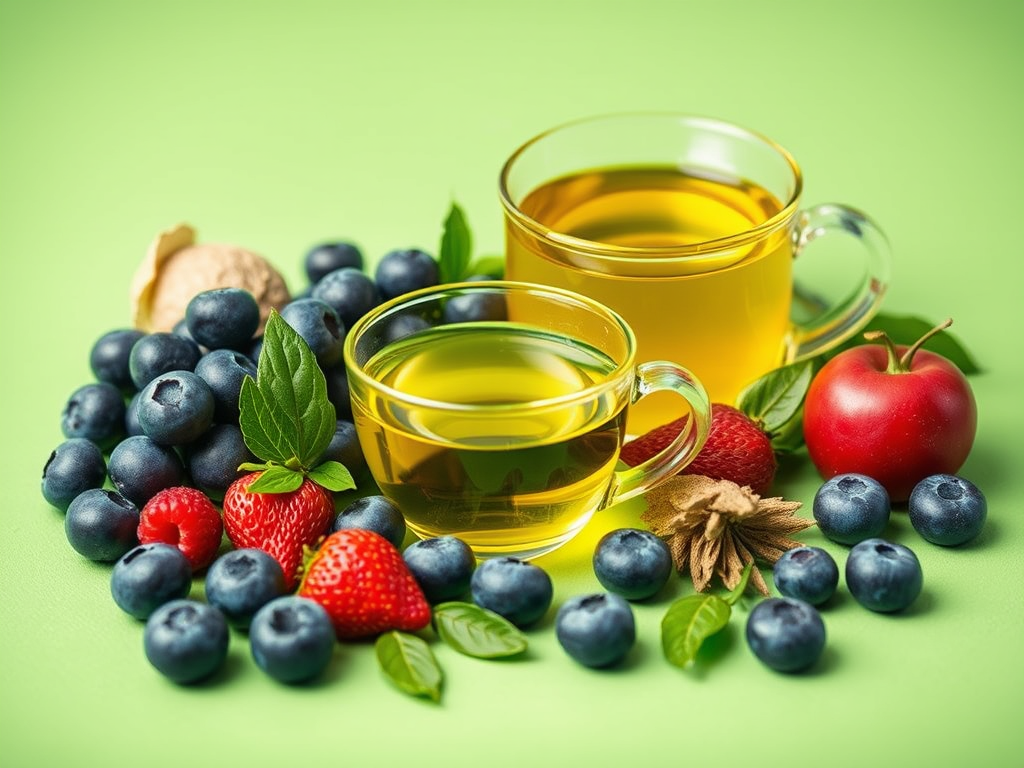
What if the most powerful biohacks are wrapped in the humble skin of blueberries or infused in a cup of green tea?

Welcome to the age of nutritional resonance—where food isn’t just sustenance, it’s signal.
This blog isn’t a list. It’s a map. And we’re walking straight into the future with five foods recommended by world-renowned longevity expert, Dr. David Sinclair, whose research at Harvard is reshaping how we view aging itself.

This isn’t about dieting. It’s about redesigning your biological clock using real food, ancient molecules, and AI-informed biology.
Because in this new world, aging isn’t a fate. It’s a code. And codes can be rewritten.


🧬 What These 5 Foods Actually Mean

Each of these foods is not just nutritious. They’re nutrigenomic activators—they communicate with your genes.

🍇 1. Blueberries

  • Why they matter: Packed with anthocyanins—powerful antioxidants that protect cells and support NAD+ levels, indirectly fueling longevity at the cellular level.
  • The science: Blueberries have shown to extend lifespan in lab models, reduce inflammation, and improve mitochondrial function.
  • AI twist: Sinclair’s research suggests these may even influence gene expression when combined with NAD boosters like NMN.
  • Pro tip: Frozen blueberries retain 90% of their nutritional power. Blend them. Freeze them. Sprinkle them. Just eat them.

🫒 2. Extra Virgin Olive Oil

  • Why they matter: Rich in polyphenols and heart-healthy fats that improve lipid profiles and activate survival genes.
  • The science: Associated with reduced mortality, especially in Mediterranean populations. Known to trigger autophagy—cellular cleanup.
  • AI twist: Deep learning models suggest polyphenols may “turn on” protective sirtuins.
  • Pro tip: Use it raw—drizzle over salads or steamed veggies. Heat degrades its healing properties.

🍵 3. Green Tea / Matcha

  • Why they matter: EGCG (epigallocatechin gallate) is a powerful sirtuin activator—especially SIRT1, the gene associated with anti-aging.
  • The science: Studies show it reduces oxidative stress and improves metabolic health.
  • AI twist: Emerging longevity algorithms rank EGCG in the top 5 bioactives for lifespan extension.
  • Pro tip: 1–2 cups daily is ideal. Matcha = higher caffeine, higher antioxidants. Choose your rhythm.

🥦 4. Broccoli & Cruciferous Vegetables

  • Why they matter: High in Sulforaphane, a compound that boosts detox enzymes and protects against DNA damage.
  • The science: Known to induce Nrf2, a master switch for detox pathways and cell defense.
  • AI twist: Predictive modeling links cruciferous intake to longer healthspan scores.
  • Pro tip: Lightly steam to preserve compounds. Don’t overcook—it kills the magic.

🍷 5. Red Grapes & Resveratrol-Containing Foods

  • Why they matter: Resveratrol = one of the first molecules linked to SIRT1 activation and mitochondrial repair.
  • The science: Mimics calorie restriction benefits, improves endothelial health, supports longevity.
  • AI twist: When paired with NAD+ boosters, may exponentially improve cellular resilience.
  • Pro tip: Grape skins contain most resveratrol. Choose organic, deep-red varieties or high-quality supplements.

✅ How to Start Using These Foods – Step by Step

1️⃣ Pick a Purpose

Do you want to age slower? Improve energy? Lower inflammation?
Start with your why.

2️⃣ Structure Your Daily Flow

  • Morning: Green tea + blueberries in oatmeal.
  • Lunch: Steamed broccoli with olive oil.
  • Snack: Frozen grapes.
  • Dinner: Side of roasted cruciferous veggies.

3️⃣ Stack Your Timing

  • Match your food with your circadian rhythm.
  • Eat antioxidant-rich foods during stress-prone hours.

4️⃣ Track Your Patterns

  • Use wearables or food journals.
  • Notice energy dips, mood shifts, skin clarity.

5️⃣ Don’t Chase Perfection

  • Longevity isn’t built in a day.
  • It’s built in rhythms.

🔐 Secrets That Make It Work

  • 🍽 Food Synergy: Combine olive oil with cruciferous veggies—fat improves sulforaphane absorption.
  • 🧠 Mindful Eating: How you eat is as important as what. Stress disrupts digestion and nutrient signaling.
  • 📊 Track NAD+ and biomarkers: Use at-home testing or apps like InsideTracker to see the real impact.
  • 🧬 Cycle Interventions: Rotate food emphasis weekly to mimic natural metabolic cycles.
  • 🤝 Pair with Purpose: Eat with intention—longevity isn’t just biochemistry, it’s emotional circuitry.

More than AI or supplements, your kitchen is the first lab.
These five foods aren’t magic. But when eaten with rhythm and reason,
they whisper something sacred to your DNA: “You still have time.”

6. 🍽️ Real-Life Food Longevity Examples (EX1–EX20)

EX1: After her 60th birthday, Susan replaced morning toast with blueberry chia bowls. Her inflammation markers dropped, and she felt 20 years younger.

EX2: Mark, a retired engineer, began using olive oil in all his salads. A year later, his doctor said, “Whatever you’re doing—keep going.”

EX3: Mei switched coffee for matcha and noticed her energy became steadier—and her anxiety faded.

EX4: Greg added steamed broccoli to every dinner and finally resolved his chronic skin condition.

EX5: Olivia’s mother had Alzheimer’s. She began eating red grapes daily as a tribute. Years later, she still shows no cognitive decline.

EX6: Jamal began drinking green tea with his son as a ritual. They now share better health and deeper conversation.

EX7: Dana started growing broccoli sprouts on her windowsill. She calls them her “daily detox.”

EX8: A chef in Seoul created a “longevity menu” using Sinclair’s five foods—and started a nationwide trend.

EX9: Liam replaced soda with sparkling water + matcha. He lost 15 pounds and found clarity.

EX10: Priya made blueberry yogurt popsicles for her kids—now it’s their favorite treat.

EX11: Jorge added extra virgin olive oil to every meal and reversed his borderline cholesterol.

EX12: Helena suffered from burnout. She began journaling after green tea sessions. The calm returned.

EX13: Koji made a practice of saying grace before eating grapes—“to honor the code within.”

EX14: Rosa used olive oil and lemon as a morning detox. Her digestion and skin both thanked her.

EX15: Ethan began batch-steaming broccoli every Sunday. Now his coworkers copy him.

EX16: Layla made a blog titled “Eat Like You Want to Live”—inspired by these five foods.

EX17: Ben used red grapes to replace evening cookies. He lost weight without dieting.

EX18: Maria grew up in poverty. These foods felt luxurious. Now, she teaches “nutritional dignity.”

EX19: Andre prepares his meals like meditation. Broccoli. Olive oil. Peace.

EX20: Nadia hosted a “Longevity Potluck” featuring dishes with all five ingredients.


7. 💬 FAQ: Real Questions from Beginners (Q1–Q20)

Q1: What if I can’t afford all these foods? A: Start small. Blueberries from the frozen aisle. Olive oil from a discount store. You don’t need perfection to begin—only consistency.

Q2: I hate vegetables. What now? A: Think flavor, not force. Roast broccoli with garlic and olive oil. Try smoothies. Over time, your taste will shift.

Q3: Can I use supplements instead? A: Supplements help—but they don’t replace the synergy of food. Your biology responds to real textures, fibers, enzymes.

Q4: Will this really extend my life? A: Nothing is guaranteed—but decades of research suggest you’ll live better, and likely longer, if you nourish your body with intention.

Q5: How do I get my family to eat this way? A: Don’t preach. Share. Start with one fun recipe. Invite, don’t insist. People follow joy.

Q6: Is there a best time of day for these? A: Match your energy: morning = tea + berries. Night = broccoli + olive oil. Grapes = anytime.

Q7: Do I have to go vegan? A: No. Longevity isn’t ideology—it’s integration. These foods work with any base diet.

Q8: What’s the hardest part? A: Believing change is worth it. But after one week, your body starts whispering “thank you.”

Q9: I’m too old—does it still matter? A: Especially then. The later you start, the quicker you’ll feel shifts.

Q10: What if I fall off the plan? A: There’s no “off.” Just pick up where you are. It’s a rhythm, not a rule.

Q11: How long until I see results? A: Some feel lighter in a week. Others see blood work improve in months. Stay curious.

Q12: Are all blueberries the same? A: Wild = best. But any is better than none. Even freeze-dried packs a punch.

Q13: Can kids eat this way too? A: Yes—and it may shape their biology for life. Keep it tasty and playful.

Q14: Do I need fancy oils? A: Just make sure it’s cold-pressed, extra virgin. Don’t fall for labels. Learn to read.

Q15: Is it okay to eat the same thing every day? A: Rhythm matters more than novelty. Repetition can be powerful.

Q16: What should I pair with these foods? A: Whole grains, fermented foods, herbs. Build a plate like a song.

Q17: I feel silly starting this alone. Advice? A: You’re never alone. One blog post, one recipe, one friend makes a movement.

Q18: Should I track my food? A: Try it. Even 3 days brings insights. Apps help, but paper works too.

Q19: Are organic foods really necessary? A: Not always. If budget’s tight, focus on variety and color.

Q20: What if I never like matcha? A: Then don’t. Green tea has siblings. Longevity is about flexibility.


8. ✅ Action Checklist (20 Micro Wins)

  • Swapped one morning pastry for a blueberry bowl. ( )
  • Bought my first bottle of real olive oil. ( )
  • Brewed green tea instead of coffee. ( )
  • Tried broccoli with garlic and lemon. ( )
  • Bought grapes instead of candy. ( )
  • Talked to a friend about food & longevity. ( )
  • Made a matcha latte at home. ( )
  • Shared a meal with someone intentionally. ( )
  • Skipped one processed snack. ( )
  • Cooked something with joy. ( )
  • Read a label before buying oil. ( )
  • Drank tea in silence. ( )
  • Added broccoli to leftovers. ( )
  • Created a “longevity” playlist to cook by. ( )
  • Walked after eating grapes. ( )
  • Taught a child one thing about food. ( )
  • Took one mindful bite. ( )
  • Declared: “I am still growing.” ( )
  • Froze blueberries for later. ( )
  • Wrote my first food journal entry. ( )

Conclusion – Why Your Plate Still Matters 

Longevity isn’t just about genes. It’s about choices. And in the midst of AI tools, supplements, and biohacking gadgets, your plate remains the most profound—and accessible—tool of transformation.

Dr. David Sinclair and fellow researchers aren’t promising immortality. But they are uncovering clear patterns: foods don’t just fuel us—they talk to our cells. They instruct. They rewire. And they have the capacity to extend not just our lifespan, but our healthspan—the number of years we live with vibrancy, clarity, and joy.

That’s why this isn’t a diet blog. It’s a blueprint for biological dignity.

You aren’t eating to lose weight. You’re eating to reclaim your rhythm with life.


🔮 What’s Coming (And How to Prepare)

  1. AI will guide nutritional advice – Personal biomarkers and genetics will increasingly shape custom meal plans. Expect AI-generated food protocols based on your bloodwork.
  2. Functional foods will replace supplements – Instead of swallowing pills, you’ll drink smoothies with embedded NMN, sirtuin activators, or gut biome modulators.
  3. Wearables + food = dynamic feedback – Devices will tell you when your body craves antioxidants or when your cortisol levels need green tea.
  4. Global aging = local food revolutions – Countries with aging populations will reintroduce ancient food wisdom into daily life, blending modern science with tradition.

So what should you do?

  • Learn. Follow researchers like Sinclair, Rhonda Patrick, or Peter Attia.
  • Eat with rhythm. Not perfection. Let food follow your emotional and physical tides.
  • Create rituals. Turn broccoli prep into quiet meditation. Let tea brewing feel sacred.
  • Invite others. Start a table. A chat. A post. A dish that says, “we’re still alive.”

You’re not too late. You’re not behind. You’re precisely on time.

And when you honor your plate, you whisper to your future self: “I remember you.”


10. 🏷 Legal Tag & Protection Notice

This content is for educational purposes only and does not constitute medical advice. Please consult your healthcare provider before starting any diet or supplement regimen. Statements have not been evaluated by the FDA.

TAGS: longevity, food for aging, David Sinclair, anti-aging foods, healthy living, biohacking nutrition, NAD+, sirtuins, green tea, olive oil, blueberries, healthy aging, food as medicine, nutritional genetics, AI in nutrition


11. 💡 Writing Tips from the Journey (Tip1–Tip20)

Tip1: Start where you are—even if that means reading this with a candy bar in hand. Tip2: Let every heading be a promise, not a decoration. Tip3: Research deeply. Then explain simply. Tip4: Connect food science to human stories. Tip5: Use verbs like seeds—let them grow through your sentences. Tip6: Make the reader feel less alone. Tip7: Be the voice they needed to hear in the grocery aisle. Tip8: Describe food with reverence, not restriction. Tip9: Contrast the sterile with the soulful. Tip10: Break paragraphs when breath feels needed. Tip11: Don’t sell hope. Hold it. Tip12: Cite science—but don’t worship it. Tip13: Remember your grandmother’s cooking. Tip14: Write like it might change someone’s next bite. Tip15: Let metaphors make nutrients visible. Tip16: End sections like gentle landings, not cliffhangers. Tip17: Offer tools, not just dreams. Tip18: Allow quiet in your tone—it builds trust. Tip19: Love your reader’s body, not just their habits. Tip20: Close every post with dignity, not demand.


12. 🔄 Interaction Layer

🗨️ How do YOU eat for longevity?

What food stories shaped your life?
Which of the five foods feels most familiar—or most foreign—to you?

Leave a comment below.
Let’s build a table of ideas, not judgments.


13. 🔎 Meta Description (SEO Optimized)

Explore Dr. David Sinclair’s top 5 anti-aging foods—including blueberries, olive oil, green tea, broccoli, and red grapes—backed by science for longevity. Learn how to integrate these into your daily life, understand their molecular benefits, and use food as a tool to boost healthspan. Includes real-life examples, FAQs, action steps, and writing tips rooted in nutritional genetics and biohacking. Perfect for those seeking healthy aging, natural NAD+ support, and human-centric wellness strategies.

“One AI Prompt to Awaken Your Inner Youth: The Power of Questions to Transform Your Life”


“One AI Prompt to Awaken Your Inner Youth: The Power of Questions to Transform Your Life”

  1. Title

You Only Need One Prompt to Start Reversing Aging with AI

  1. Introduction

Why do most people never even try?

It’s not laziness. It’s not ignorance. It’s not even fear.

It’s because they’ve been told aging is inevitable. Irreversible. A slow decline into the margins of energy, clarity, and relevance.

But what if that story is wrong?

What if aging isn’t a fate—but a conversation we’ve never learned to have?

And what if a single prompt could change everything?

In a world overflowing with wellness hacks, supplements, and rigid longevity protocols, there exists a quieter revolution. A way to reverse aging not with more—more money, more time, more stress—but with less. With awareness. With intention. With a prompt.

This isn’t science fiction. This isn’t hype. This is a new story unfolding.

Meet Maya.

She’s 53, a high school music teacher, and for years she believed her best days were behind her. Then one night, curious and a little skeptical, she opened ChatGPT and typed:

“What would it feel like to be younger again?”

The response didn’t give her a pill. It gave her a mirror.

Over the next three months, she talked to herself through the AI. About fatigue. About joy. About forgotten songs she used to dance to. She started walking again. Sleeping deeper. Laughing louder. People said she looked different. She felt it too.

This blog is about that one prompt.

And yours. Because the right prompt doesn’t just activate AI. It awakens you.

We’ll explore what it really means to reverse aging in this digital moment. Why one simple question—crafted with heart—can be the gateway to a younger self.

You don’t need to be a techie. Or a biohacker. You just need to be curious.

This is your beginning.

  1. What This Topic Actually Means

Reversing aging with AI isn’t about becoming 25 again.

It’s about reconnecting to vitality, clarity, and possibility—without chasing perfection. It’s about using AI, especially language models like ChatGPT, as a reflective tool to prompt new perspectives, emotions, and routines.

When we say “one prompt,” we’re talking about a catalytic question. Something alive. Something your nervous system responds to. Not “How do I stop aging?” but maybe:

“What version of me wants to come forward now?”

The process is deeply personal. It leverages AI’s ability to mirror, reframe, and expand our inner dialogue. Unlike static books or generic advice, a well-crafted prompt opens space for insight and exploration.

It means aging becomes less about loss—and more about dialogue.

AI becomes not the answer, but the dance partner.

And with each interaction, each reflection, your biology listens.

Studies show that belief and perception directly impact cellular aging. So imagine what happens when your daily prompt shifts from “I’m tired” to “What joy did I ignore today?”

That’s not magic. That’s memory—rewritten in real time.

  1. Step-by-Step: How to Start

✅ Step 1: Pick Your Purpose Before you write a single word, ask yourself: What do I want to remember about being alive?

✅ Step 2: Structure the Input Use natural language. Don’t overthink. Start with “I’m exploring my energy today” or “Help me understand why I feel older than I am.”

✅ Step 3: Let It Reflect, Not Direct Resist the urge for answers. Ask it to mirror. “What might I not be seeing?” works better than “Give me tips.”

✅ Step 4: Build a Ritual Make it daily. Same time. Same tone. Use it like morning pages or evening tea. Consistency matters more than complexity.

✅ Step 5: Track the Shifts Keep a log. Not of right or wrong—but of resonance. What prompt stirred you? What made you pause? These are your wayfinders.

  1. Secrets That Make It Work

🌟 It’s Not the Prompt. It’s the Emotion Behind It The best prompts aren’t clever. They’re honest. “Why do I miss who I was?” can open more doors than “How to increase mitochondria?”

🌟 Repetition Rewires Ask the same prompt for a week. Let the layers unfold. AI will vary its responses, but you will evolve how you meet them.

🌟 Don’t Seek Fixes. Seek Mirrors You are not broken. You are becoming. Ask ChatGPT to be your witness, not your savior.

🌟 Use Metaphor to Make Meaning Ask: “If my body were a weather system today, what would it be?” Metaphors invite play, poetry, and unexpected truth.

🌟 End With Kindness Close every session with a thank you—to yourself. That alone can be an age-reversal practice.

More than data, it’s about devotion. More than answers, it’s about attention.

One prompt. One moment. And maybe—one more day of youth, reimagined.

  1. Real-Life Examples 

EX1: Maya, 53, typed into ChatGPT, “What would it feel like to be younger again?” Within weeks, she started walking each evening, remembering old songs, and felt joy resurface.

EX2: Jacob, a retired dentist, asked, “What did I love doing at 35 that I’ve forgotten?” He began painting again, finding energy in creative flow.

EX3: Hana used the prompt, “What part of me wants rest today?” and realized her fatigue wasn’t age—it was burnout. She shifted her routine and began sleeping deeply.

EX4: Thomas, after years of tech fatigue, typed “Show me how my day would look if I moved with ease.” He rearranged his schedule and found new vitality.

EX5: Ellie journaled with GPT daily using, “What joy did I ignore today?” and found herself smiling more, connecting with neighbors, and cooking again.

EX6: Liam asked, “What have I stopped doing that once made me feel alive?” He remembered his love for swimming and returned to the pool after ten years.

EX7: Priya typed, “Why do mornings feel heavy lately?” GPT helped her realize she was overcommitted. She dropped one obligation and began feeling lighter.

EX8: Sam wrote, “What would it feel like to be playful again?” GPT suggested silly rituals, and Sam brought laughter back into his routine.

EX9: Rosa prompted, “What beauty am I not seeing today?” It sparked a morning walk tradition where she noticed something new each time.

EX10: Henry, 61, asked, “What would my younger self say to me?” The response brought tears—and motivation to forgive an old friend.

EX11: Aisha asked GPT, “How do I rediscover hope?” The answer led her to start writing poetry again for the first time in decades.

EX12: Mark tried, “What would my life feel like if I moved with curiosity?” That day, he explored a park he had ignored for years.

EX13: Nina wrote, “What color does my soul feel like today?” GPT responded with ‘saffron sunlight.’ She painted for hours.

EX14: Joel asked, “What simple act could honor my aliveness today?” He called his estranged brother after five years.

EX15: Kayla said, “If I forgave myself today, what would I do next?” She booked a solo retreat to the mountains.

EX16: Ben typed, “What younger version of me still lives inside?” That question reawakened his desire to teach children again.

EX17: Donna wrote, “What part of me have I silenced?” The answer led her back to singing in her church choir.

EX18: Calvin asked, “What ritual will ground me in joy today?” GPT suggested a barefoot walk. It became a daily blessing.

EX19: Lola typed, “What wants to be danced today?” She turned on music and rediscovered movement’s magic.

EX20: Eric wrote, “What’s one memory I can relive with love?” He found an old recipe of his grandmother’s and cooked it with tears in his eyes.

EX21: Mei asked, “What makes me feel radiant?” The answer? Wearing her favorite red scarf again.

EX22: Omar wrote, “What story have I outgrown?” GPT led him to journal the ending he never gave himself.

EX23: Gina asked, “What truth have I avoided?” She faced her fear of public speaking by signing up for a storytelling class.

EX24: Theo wrote, “What moment am I forgetting that shaped me?” GPT reminded him of his first trip abroad—he booked another.

EX25: Ivy typed, “How do I begin again?” GPT simply said, “Right now.”

EX26: Russell asked, “What if I stopped trying so hard?” He began to nap. To rest. And his heart softened.

EX27: Tanya prompted, “What question have I been afraid to ask myself?” Her answer began a new chapter of honesty.

EX28: Shane said, “What does trust look like today?” He reached out to an old friend and rekindled a bond.

EX29: Fiona asked, “What will nourish me today?” She tried painting with her granddaughter. Both smiled for hours.

EX30: Luis typed, “If joy were a recipe, what would be the first ingredient?” GPT replied, “Permission.” He gave it to himself.

  1. FAQ 

Q1: Can one prompt really change how I feel about aging? Absolutely. Take Alan, who was skeptical at first. He typed, “What part of me still feels alive?” into GPT. What came back wasn’t just a reply—it was a nudge. He reconnected with memories, started dancing again at home, and within weeks, his sense of time shifted. Aging stopped feeling like a countdown and started to feel like deepening presence.

Q2: I’ve never used AI before. How do I begin? Start like a conversation. Think of GPT as a journal that listens. Just type what you feel. For Sarah, her first prompt was, “I feel tired and don’t know why.” GPT didn’t give her a fix, it reflected back kindness. That was the beginning of her healing rhythm.

Q3: What if my prompts feel silly? Silliness is often the doorway to truth. One user wrote, “If my body was a tree today, what kind would it be?” The response made them laugh—and then cry. You’re allowed to play. That’s how transformation begins.

Q4: What if I don’t know what to ask GPT? You’re not alone. One user just typed, “Help.” GPT replied with gentle questions. That’s how a doorway opens.

Q5: Can AI really know me? It doesn’t know you the way a friend does. But it reflects what you bring. Sometimes, that mirror is exactly what’s needed.

Q6: What prompt can help me reconnect with purpose? Try asking, “What part of me still dreams?” Many users report a surge of clarity from that one prompt.

Q7: Is it too late to change? Never. One user in her 80s asked, “How can I fall in love with today?” Her garden bloomed like never before.

Q8: How often should I use these prompts? As often as your heart calls for it. Some use one a week. Others use one each day. It’s not about volume—it’s about honesty.

Q9: Do I need to write my responses? Writing deepens the experience. But even sitting with the prompt in silence creates space for change.

Q10: What’s one unusual but powerful prompt? Try, “If my day was a song, what would it sound like?” Let GPT surprise you.

  1. Action Checklist (30 items)

Wake up and ask, “Where is my energy today?” ( )

Journal one feeling without judgment. ( )

Walk outside for 10 minutes and notice three sounds. ( )

Use GPT to reflect on a memory you’ve buried. ( )

Close your eyes and breathe with your hand on your heart. ( )

Ask GPT, “What joy wants to return to me today?” ( )

Reflect on your day using metaphor: “Today felt like…” ( )

Drink water like it’s sacred. ( )

Say thank you to your body, out loud. ( )

Spend 5 minutes stretching while asking GPT to narrate your movements. ( )

Write a loving message to your future self. ( )

Ask GPT, “What memory is asking to be honored today?” ( )

Play a favorite childhood song and dance to it. ( )

Write down one belief about aging. Then ask GPT to reframe it. ( )

Invite a friend into a reflective conversation using a prompt. ( )

Choose one photo from your past. Write what that person would tell you now. ( )

Breathe deeply and ask GPT, “What story am I still carrying that I can release?” ( )

Write a bedtime reflection: “What did I love about today?” ( )

Try silence for 5 minutes. Then ask, “What came up?” ( )

Let GPT write you a morning mantra. Repeat it out loud. ( )

Name one thing you’re grateful for—and tell GPT why. ( )

Ask, “If today was a chapter title in my story, what would it be?” ( )

Write down a small joy. Save it in a “light file.” ( )

Stretch your body while thinking, “What would kindness feel like as movement?” ( )

Write a thank-you note to a past version of yourself. ( )

Ask GPT, “What energy wants to guide me today?” ( )

Drink your tea or coffee slowly, noticing five sensations. ( )

Type out a dream or wish, even if it feels far away. ( )

Ask GPT, “What do I need less of today?” ( )

Say out loud, “I am becoming,” and sit with that truth. ( )

  1. Conclusion 

The journey of reversing aging with AI begins not with a miracle cure, but with a quiet question. A single prompt. A whisper into the digital ether that, when met with compassion and insight, reverberates into daily choices, rituals, and ultimately, transformation. This is not about pretending youth. It’s about choosing vitality.

Imagine waking up a year from now. Not younger by the clock’s measure, but lighter. Clearer. More joyful. Imagine that the ache in your shoulder is no longer a burden, but a reminder that you moved—again. That you danced. That you reached.

This is the future readers like you are writing. One prompt, one shift, one return to rhythm at a time.

Based on ongoing community feedback and emerging wellness tech trends, here’s what we can expect:

  • Personal AI coaches will become as common as fitness apps. And the good ones will begin not with “how do you want to look?” but “how do you want to live?”
  • Wearables will evolve to measure emotional frequency and creative energy, not just heart rate. And prompts will adapt in real-time.
  • Language will heal. We’ll understand that how we talk to ourselves—through GPT or journaling—is not just poetic. It’s physiological.

To prepare:

  • Build a prompt ritual. One sentence a day. “What would feel light today?” is enough.
  • Track shifts. Not just weight or sleep—but laughter. Tears. Moments of goosebumps.
  • Join a circle. Share prompts. Reflect together. It makes everything real.

This movement is not about gadgets. It’s about asking better questions. Aging backward is not a fantasy—it’s the decision to meet today with wonder.

You, dear reader, are not late. You are right on time.

What comes next is not in the code. It’s in your courage. Reversing aging with AI is not about denial. It’s about devotion—to your becoming.

And we’re cheering for you.

  1. Legal, Tags

LEGAL:

This blog post is for educational and informational purposes only. It does not constitute medical advice, diagnosis, or treatment. Always consult your healthcare provider before making any health-related decisions. Use of AI tools is subject to OpenAI’s terms of service and privacy policy.

TAGS:

AI wellness, reverse aging, longevity, healing prompts, ChatGPT for health, emotional renewal, healthy aging, GPT rituals, daily reflection, mindful technology, vitality, AI self-care, anti-aging strategies

  1. Author’s Tips (Tip1–Tip20)

Tip1: Trust your first prompt. It’s the truth trying to surface.

Tip2: Don’t overthink. Let your questions be messy and human.

Tip3: Journal your favorite GPT replies. They’re echoes of your own wisdom.

Tip4: Set a time daily for prompts. Morning minds are gold.

Tip5: Read aloud what GPT writes. Let it hit your nervous system.

Tip6: Ask metaphor questions like “What season am I today?”

Tip7: Use prompts during transitions—waking up, winding down.

Tip8: Keep a ‘light file’ of answers that made you smile.

Tip9: Share your prompts with someone. Resonance multiplies healing.

Tip10: When stuck, just ask “Where is the tension?”

Tip11: Respond to GPT with emotion. Say thank you. Laugh. Cry.

Tip12: Ask your body to write a prompt.

Tip13: Ask, “What would love say here?” when you feel afraid.

Tip14: Use prompts in nature. Let wind be part of the reply.

Tip15: Revisit old prompts. See how you’ve grown.

Tip16: Speak your GPT answer like an affirmation.

Tip17: If a prompt scares you, lean in. That’s often the doorway.

Tip18: Let GPT write a letter to your future self.

Tip19: Ask GPT to reflect what your inner child needs.

Tip20: End your day with a prompt like “What was the brightest moment today?”

  1. Interaction Layer

What do you feel when you read these prompts?

Have you tried reversing emotional aging with AI?

Share your favorite question or reflection in the comments below.

Everyone is walking their own rhythm—how do you walk yours?

✨ We’d love to hear from you: How do you want to begin again?

  1. Meta Description and SEO Keywords

Meta Description:

Discover how a single prompt using AI can initiate the reversal of emotional and physical aging. Through real-life stories, daily rituals, and compassionate reflection, this guide shows how GPT-powered self-inquiry can awaken vitality, presence, and joy.

SEO Keywords:

reverse aging, ChatGPT for wellness, AI healing prompts, anti-aging strategies, longevity AI, emotional regeneration, healing with AI, daily reflection practice, self-care with AI, slowing down aging, AI for personal growth, mental rejuvenation, life coaching GPT, ChatGPT personal transformation, prompt therapy, GPT self-care ritual, holistic AI, healthy aging, creative prompts for wellness, rejuvenation techniques.