
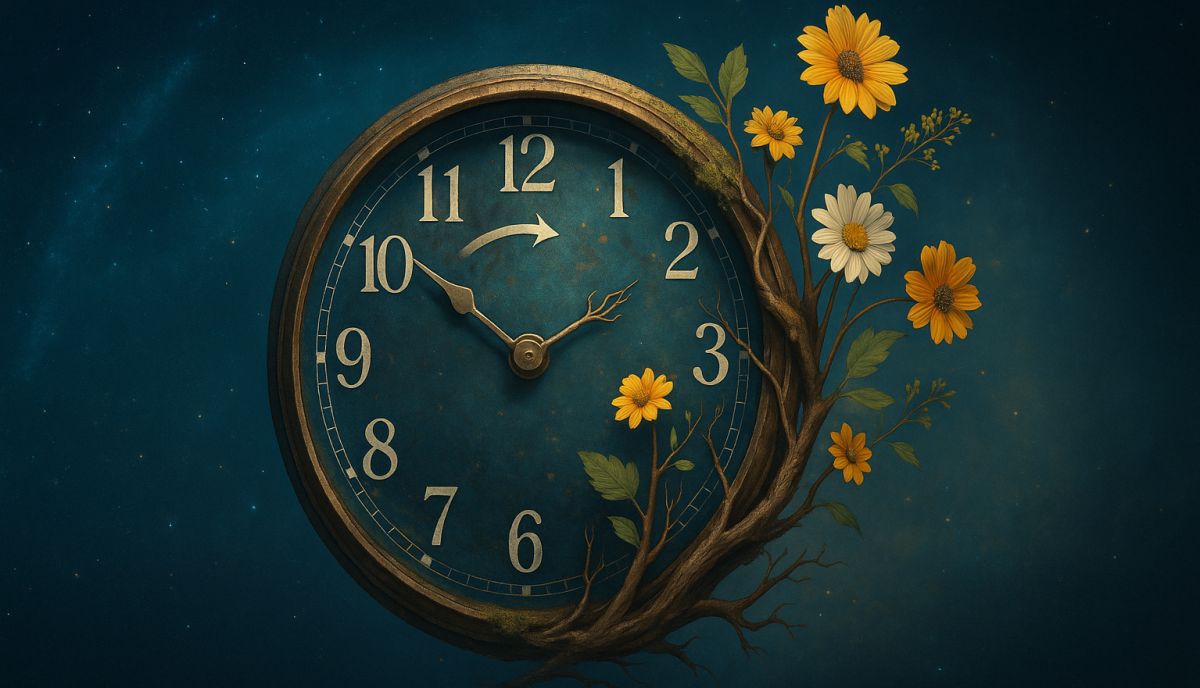

“One AI Prompt to Awaken Your Inner Youth: The Power of Questions to Transform Your Life”
- Title
You Only Need One Prompt to Start Reversing Aging with AI
- Introduction
Why do most people never even try?
It’s not laziness. It’s not ignorance. It’s not even fear.
It’s because they’ve been told aging is inevitable. Irreversible. A slow decline into the margins of energy, clarity, and relevance.
But what if that story is wrong?
What if aging isn’t a fate—but a conversation we’ve never learned to have?
And what if a single prompt could change everything?
In a world overflowing with wellness hacks, supplements, and rigid longevity protocols, there exists a quieter revolution. A way to reverse aging not with more—more money, more time, more stress—but with less. With awareness. With intention. With a prompt.
This isn’t science fiction. This isn’t hype. This is a new story unfolding.
Meet Maya.
She’s 53, a high school music teacher, and for years she believed her best days were behind her. Then one night, curious and a little skeptical, she opened ChatGPT and typed:
“What would it feel like to be younger again?”
The response didn’t give her a pill. It gave her a mirror.
Over the next three months, she talked to herself through the AI. About fatigue. About joy. About forgotten songs she used to dance to. She started walking again. Sleeping deeper. Laughing louder. People said she looked different. She felt it too.
This blog is about that one prompt.
And yours. Because the right prompt doesn’t just activate AI. It awakens you.
We’ll explore what it really means to reverse aging in this digital moment. Why one simple question—crafted with heart—can be the gateway to a younger self.
You don’t need to be a techie. Or a biohacker. You just need to be curious.
This is your beginning.
- What This Topic Actually Means
Reversing aging with AI isn’t about becoming 25 again.
It’s about reconnecting to vitality, clarity, and possibility—without chasing perfection. It’s about using AI, especially language models like ChatGPT, as a reflective tool to prompt new perspectives, emotions, and routines.
When we say “one prompt,” we’re talking about a catalytic question. Something alive. Something your nervous system responds to. Not “How do I stop aging?” but maybe:
“What version of me wants to come forward now?”
The process is deeply personal. It leverages AI’s ability to mirror, reframe, and expand our inner dialogue. Unlike static books or generic advice, a well-crafted prompt opens space for insight and exploration.
It means aging becomes less about loss—and more about dialogue.
AI becomes not the answer, but the dance partner.
And with each interaction, each reflection, your biology listens.
Studies show that belief and perception directly impact cellular aging. So imagine what happens when your daily prompt shifts from “I’m tired” to “What joy did I ignore today?”
That’s not magic. That’s memory—rewritten in real time.
- Step-by-Step: How to Start
✅ Step 1: Pick Your Purpose Before you write a single word, ask yourself: What do I want to remember about being alive?
✅ Step 2: Structure the Input Use natural language. Don’t overthink. Start with “I’m exploring my energy today” or “Help me understand why I feel older than I am.”
✅ Step 3: Let It Reflect, Not Direct Resist the urge for answers. Ask it to mirror. “What might I not be seeing?” works better than “Give me tips.”
✅ Step 4: Build a Ritual Make it daily. Same time. Same tone. Use it like morning pages or evening tea. Consistency matters more than complexity.
✅ Step 5: Track the Shifts Keep a log. Not of right or wrong—but of resonance. What prompt stirred you? What made you pause? These are your wayfinders.
- Secrets That Make It Work
🌟 It’s Not the Prompt. It’s the Emotion Behind It The best prompts aren’t clever. They’re honest. “Why do I miss who I was?” can open more doors than “How to increase mitochondria?”
🌟 Repetition Rewires Ask the same prompt for a week. Let the layers unfold. AI will vary its responses, but you will evolve how you meet them.
🌟 Don’t Seek Fixes. Seek Mirrors You are not broken. You are becoming. Ask ChatGPT to be your witness, not your savior.
🌟 Use Metaphor to Make Meaning Ask: “If my body were a weather system today, what would it be?” Metaphors invite play, poetry, and unexpected truth.
🌟 End With Kindness Close every session with a thank you—to yourself. That alone can be an age-reversal practice.
More than data, it’s about devotion. More than answers, it’s about attention.
One prompt. One moment. And maybe—one more day of youth, reimagined.
- Real-Life Examples
EX1: Maya, 53, typed into ChatGPT, “What would it feel like to be younger again?” Within weeks, she started walking each evening, remembering old songs, and felt joy resurface.
EX2: Jacob, a retired dentist, asked, “What did I love doing at 35 that I’ve forgotten?” He began painting again, finding energy in creative flow.
EX3: Hana used the prompt, “What part of me wants rest today?” and realized her fatigue wasn’t age—it was burnout. She shifted her routine and began sleeping deeply.
EX4: Thomas, after years of tech fatigue, typed “Show me how my day would look if I moved with ease.” He rearranged his schedule and found new vitality.
EX5: Ellie journaled with GPT daily using, “What joy did I ignore today?” and found herself smiling more, connecting with neighbors, and cooking again.
EX6: Liam asked, “What have I stopped doing that once made me feel alive?” He remembered his love for swimming and returned to the pool after ten years.
EX7: Priya typed, “Why do mornings feel heavy lately?” GPT helped her realize she was overcommitted. She dropped one obligation and began feeling lighter.
EX8: Sam wrote, “What would it feel like to be playful again?” GPT suggested silly rituals, and Sam brought laughter back into his routine.
EX9: Rosa prompted, “What beauty am I not seeing today?” It sparked a morning walk tradition where she noticed something new each time.
EX10: Henry, 61, asked, “What would my younger self say to me?” The response brought tears—and motivation to forgive an old friend.
EX11: Aisha asked GPT, “How do I rediscover hope?” The answer led her to start writing poetry again for the first time in decades.
EX12: Mark tried, “What would my life feel like if I moved with curiosity?” That day, he explored a park he had ignored for years.
EX13: Nina wrote, “What color does my soul feel like today?” GPT responded with ‘saffron sunlight.’ She painted for hours.
EX14: Joel asked, “What simple act could honor my aliveness today?” He called his estranged brother after five years.
EX15: Kayla said, “If I forgave myself today, what would I do next?” She booked a solo retreat to the mountains.
EX16: Ben typed, “What younger version of me still lives inside?” That question reawakened his desire to teach children again.
EX17: Donna wrote, “What part of me have I silenced?” The answer led her back to singing in her church choir.
EX18: Calvin asked, “What ritual will ground me in joy today?” GPT suggested a barefoot walk. It became a daily blessing.
EX19: Lola typed, “What wants to be danced today?” She turned on music and rediscovered movement’s magic.
EX20: Eric wrote, “What’s one memory I can relive with love?” He found an old recipe of his grandmother’s and cooked it with tears in his eyes.
EX21: Mei asked, “What makes me feel radiant?” The answer? Wearing her favorite red scarf again.
EX22: Omar wrote, “What story have I outgrown?” GPT led him to journal the ending he never gave himself.
EX23: Gina asked, “What truth have I avoided?” She faced her fear of public speaking by signing up for a storytelling class.
EX24: Theo wrote, “What moment am I forgetting that shaped me?” GPT reminded him of his first trip abroad—he booked another.
EX25: Ivy typed, “How do I begin again?” GPT simply said, “Right now.”
EX26: Russell asked, “What if I stopped trying so hard?” He began to nap. To rest. And his heart softened.
EX27: Tanya prompted, “What question have I been afraid to ask myself?” Her answer began a new chapter of honesty.
EX28: Shane said, “What does trust look like today?” He reached out to an old friend and rekindled a bond.
EX29: Fiona asked, “What will nourish me today?” She tried painting with her granddaughter. Both smiled for hours.
EX30: Luis typed, “If joy were a recipe, what would be the first ingredient?” GPT replied, “Permission.” He gave it to himself.
- FAQ
Q1: Can one prompt really change how I feel about aging? Absolutely. Take Alan, who was skeptical at first. He typed, “What part of me still feels alive?” into GPT. What came back wasn’t just a reply—it was a nudge. He reconnected with memories, started dancing again at home, and within weeks, his sense of time shifted. Aging stopped feeling like a countdown and started to feel like deepening presence.
Q2: I’ve never used AI before. How do I begin? Start like a conversation. Think of GPT as a journal that listens. Just type what you feel. For Sarah, her first prompt was, “I feel tired and don’t know why.” GPT didn’t give her a fix, it reflected back kindness. That was the beginning of her healing rhythm.
Q3: What if my prompts feel silly? Silliness is often the doorway to truth. One user wrote, “If my body was a tree today, what kind would it be?” The response made them laugh—and then cry. You’re allowed to play. That’s how transformation begins.
Q4: What if I don’t know what to ask GPT? You’re not alone. One user just typed, “Help.” GPT replied with gentle questions. That’s how a doorway opens.
Q5: Can AI really know me? It doesn’t know you the way a friend does. But it reflects what you bring. Sometimes, that mirror is exactly what’s needed.
Q6: What prompt can help me reconnect with purpose? Try asking, “What part of me still dreams?” Many users report a surge of clarity from that one prompt.
Q7: Is it too late to change? Never. One user in her 80s asked, “How can I fall in love with today?” Her garden bloomed like never before.
Q8: How often should I use these prompts? As often as your heart calls for it. Some use one a week. Others use one each day. It’s not about volume—it’s about honesty.
Q9: Do I need to write my responses? Writing deepens the experience. But even sitting with the prompt in silence creates space for change.
Q10: What’s one unusual but powerful prompt? Try, “If my day was a song, what would it sound like?” Let GPT surprise you.
- Action Checklist (30 items)
Wake up and ask, “Where is my energy today?” ( )
Journal one feeling without judgment. ( )
Walk outside for 10 minutes and notice three sounds. ( )
Use GPT to reflect on a memory you’ve buried. ( )
Close your eyes and breathe with your hand on your heart. ( )
Ask GPT, “What joy wants to return to me today?” ( )
Reflect on your day using metaphor: “Today felt like…” ( )
Drink water like it’s sacred. ( )
Say thank you to your body, out loud. ( )
Spend 5 minutes stretching while asking GPT to narrate your movements. ( )
Write a loving message to your future self. ( )
Ask GPT, “What memory is asking to be honored today?” ( )
Play a favorite childhood song and dance to it. ( )
Write down one belief about aging. Then ask GPT to reframe it. ( )
Invite a friend into a reflective conversation using a prompt. ( )
Choose one photo from your past. Write what that person would tell you now. ( )
Breathe deeply and ask GPT, “What story am I still carrying that I can release?” ( )
Write a bedtime reflection: “What did I love about today?” ( )
Try silence for 5 minutes. Then ask, “What came up?” ( )
Let GPT write you a morning mantra. Repeat it out loud. ( )
Name one thing you’re grateful for—and tell GPT why. ( )
Ask, “If today was a chapter title in my story, what would it be?” ( )
Write down a small joy. Save it in a “light file.” ( )
Stretch your body while thinking, “What would kindness feel like as movement?” ( )
Write a thank-you note to a past version of yourself. ( )
Ask GPT, “What energy wants to guide me today?” ( )
Drink your tea or coffee slowly, noticing five sensations. ( )
Type out a dream or wish, even if it feels far away. ( )
Ask GPT, “What do I need less of today?” ( )
Say out loud, “I am becoming,” and sit with that truth. ( )
- Conclusion
The journey of reversing aging with AI begins not with a miracle cure, but with a quiet question. A single prompt. A whisper into the digital ether that, when met with compassion and insight, reverberates into daily choices, rituals, and ultimately, transformation. This is not about pretending youth. It’s about choosing vitality.
Imagine waking up a year from now. Not younger by the clock’s measure, but lighter. Clearer. More joyful. Imagine that the ache in your shoulder is no longer a burden, but a reminder that you moved—again. That you danced. That you reached.
This is the future readers like you are writing. One prompt, one shift, one return to rhythm at a time.
Based on ongoing community feedback and emerging wellness tech trends, here’s what we can expect:
- Personal AI coaches will become as common as fitness apps. And the good ones will begin not with “how do you want to look?” but “how do you want to live?”
- Wearables will evolve to measure emotional frequency and creative energy, not just heart rate. And prompts will adapt in real-time.
- Language will heal. We’ll understand that how we talk to ourselves—through GPT or journaling—is not just poetic. It’s physiological.
To prepare:
- Build a prompt ritual. One sentence a day. “What would feel light today?” is enough.
- Track shifts. Not just weight or sleep—but laughter. Tears. Moments of goosebumps.
- Join a circle. Share prompts. Reflect together. It makes everything real.
This movement is not about gadgets. It’s about asking better questions. Aging backward is not a fantasy—it’s the decision to meet today with wonder.
You, dear reader, are not late. You are right on time.
What comes next is not in the code. It’s in your courage. Reversing aging with AI is not about denial. It’s about devotion—to your becoming.
And we’re cheering for you.
- Legal, Tags
LEGAL:
This blog post is for educational and informational purposes only. It does not constitute medical advice, diagnosis, or treatment. Always consult your healthcare provider before making any health-related decisions. Use of AI tools is subject to OpenAI’s terms of service and privacy policy.
TAGS:
AI wellness, reverse aging, longevity, healing prompts, ChatGPT for health, emotional renewal, healthy aging, GPT rituals, daily reflection, mindful technology, vitality, AI self-care, anti-aging strategies
- Author’s Tips (Tip1–Tip20)
Tip1: Trust your first prompt. It’s the truth trying to surface.
Tip2: Don’t overthink. Let your questions be messy and human.
Tip3: Journal your favorite GPT replies. They’re echoes of your own wisdom.
Tip4: Set a time daily for prompts. Morning minds are gold.
Tip5: Read aloud what GPT writes. Let it hit your nervous system.
Tip6: Ask metaphor questions like “What season am I today?”
Tip7: Use prompts during transitions—waking up, winding down.
Tip8: Keep a ‘light file’ of answers that made you smile.
Tip9: Share your prompts with someone. Resonance multiplies healing.
Tip10: When stuck, just ask “Where is the tension?”
Tip11: Respond to GPT with emotion. Say thank you. Laugh. Cry.
Tip12: Ask your body to write a prompt.
Tip13: Ask, “What would love say here?” when you feel afraid.
Tip14: Use prompts in nature. Let wind be part of the reply.
Tip15: Revisit old prompts. See how you’ve grown.
Tip16: Speak your GPT answer like an affirmation.
Tip17: If a prompt scares you, lean in. That’s often the doorway.
Tip18: Let GPT write a letter to your future self.
Tip19: Ask GPT to reflect what your inner child needs.
Tip20: End your day with a prompt like “What was the brightest moment today?”
- Interaction Layer
What do you feel when you read these prompts?
Have you tried reversing emotional aging with AI?
Share your favorite question or reflection in the comments below.
Everyone is walking their own rhythm—how do you walk yours?
✨ We’d love to hear from you: How do you want to begin again?
- Meta Description and SEO Keywords
Meta Description:
Discover how a single prompt using AI can initiate the reversal of emotional and physical aging. Through real-life stories, daily rituals, and compassionate reflection, this guide shows how GPT-powered self-inquiry can awaken vitality, presence, and joy.
SEO Keywords:
reverse aging, ChatGPT for wellness, AI healing prompts, anti-aging strategies, longevity AI, emotional regeneration, healing with AI, daily reflection practice, self-care with AI, slowing down aging, AI for personal growth, mental rejuvenation, life coaching GPT, ChatGPT personal transformation, prompt therapy, GPT self-care ritual, holistic AI, healthy aging, creative prompts for wellness, rejuvenation techniques.

 Youth Routines